
 EN
EN
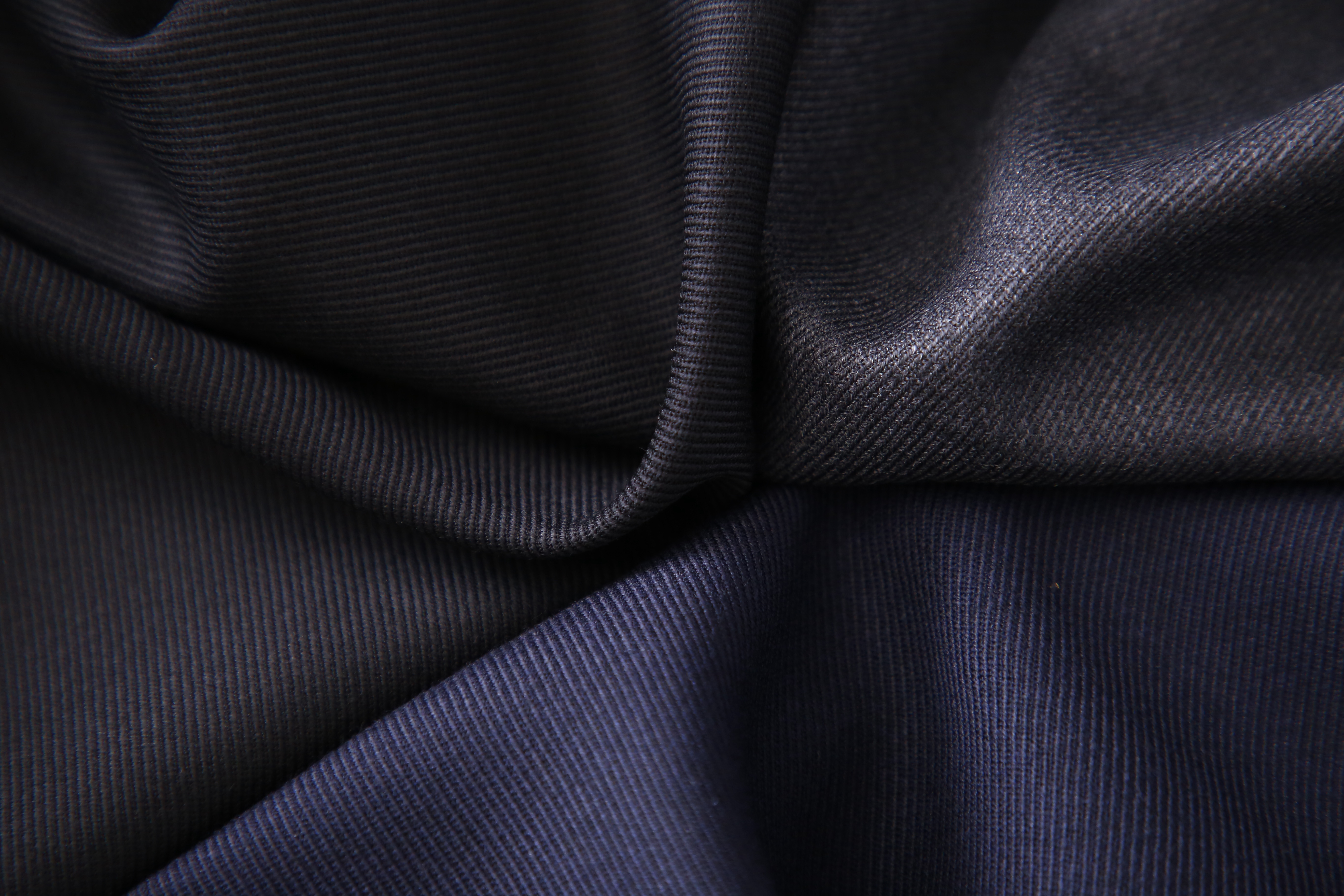
The selection of appropriate textile materials significantly impacts production efficiency, product quality, and market competitiveness across various industries. While pure wool offers exceptional properties, wool blend fabrics have emerged as versatile solutions that combine the natural benefits of wool with enhanced durability, cost-effectiveness, and specialized performance characteristics. Understanding which industries derive the greatest advantages from incorporating wool blend materials into their production processes requires examining both the unique properties these fabrics offer and the specific operational demands of different manufacturing sectors.
The strategic importance of identifying optimal applications for wool blend fabrics extends beyond simple material selection to encompass broader considerations of production scalability, quality consistency, and market positioning. Industries that successfully leverage wool blend technologies often experience improved manufacturing flexibility, enhanced product performance, and stronger competitive advantages in their respective markets. The analysis of industry-specific benefits reveals distinct patterns of adoption and value creation that guide strategic decision-making for manufacturers evaluating textile material options.
Apparel Manufacturing Excellence Through Wool Blend Integration
High-End Suiting and Formal Wear Production
The formal wear industry represents one of the most significant beneficiaries of wool blend fabric technology, particularly in the production of business suits, dress pants, and professional attire. Wool blend materials offer the sophisticated appearance and texture of traditional wool while providing enhanced durability and wrinkle resistance essential for modern professional wardrobes. Manufacturing facilities specializing in formal wear benefit from the consistent performance characteristics of wool blend fabrics, which reduce quality variations and streamline production processes.
Production efficiency gains in suiting manufacture stem from the improved handling characteristics of wool blend materials during cutting, sewing, and finishing operations. The synthetic component in wool blend fabrics typically enhances dimensional stability, reducing shrinkage concerns and improving pattern matching accuracy. This stability translates to reduced waste, fewer production defects, and improved cost control throughout the manufacturing process.
Quality consistency represents another critical advantage for formal wear manufacturers utilizing wool blend fabrics. The blended composition helps maintain uniform color retention, reduces pilling tendencies, and provides predictable performance across different production batches. These characteristics enable manufacturers to meet stringent quality standards while maintaining competitive pricing structures in the formal wear market segment.
Outerwear and Protective Clothing Applications
Outerwear manufacturers benefit significantly from wool blend fabrics due to their enhanced weather resistance and thermal regulation properties. The combination of wool's natural insulating capabilities with synthetic fibers' moisture management characteristics creates ideal conditions for producing jackets, coats, and other protective garments. Manufacturing operations focused on outdoor and workwear applications find wool blend materials particularly valuable for their ability to maintain performance across diverse environmental conditions.
The production advantages for outerwear manufacturers include improved seam strength and reduced tearing risks during assembly operations. Wool blend fabrics typically demonstrate superior tensile strength compared to pure wool alternatives, enabling the creation of more durable garments with extended service life. This durability enhancement directly impacts production planning, as manufacturers can achieve higher output rates with reduced rework requirements.
Specialized protective clothing applications benefit from the flame-resistant properties that certain wool blend formulations provide. Industries manufacturing safety garments for industrial applications find these materials particularly valuable for meeting safety standards while maintaining wearer comfort and garment longevity.
Interior Design and Furnishing Industry Applications
Upholstery and Furniture Manufacturing
The furniture manufacturing industry derives substantial benefits from wool blend fabrics in upholstery applications, where durability and aesthetic appeal must coexist with practical maintenance considerations. Wool blend materials offer enhanced stain resistance and cleaning compatibility while preserving the luxurious feel and appearance that consumers expect from high-quality furniture pieces. Manufacturing operations benefit from the consistent handling characteristics and reduced processing complications associated with blended wool fabrics.
Production efficiency improvements in furniture manufacturing stem from the enhanced cutting precision and reduced fraying characteristics of wool blend materials. The synthetic component typically provides improved edge stability during cutting operations, reducing waste and improving material utilization rates. These advantages translate to lower raw material costs and improved production scheduling accuracy.
Quality control processes in upholstery manufacturing benefit from the predictable performance characteristics of wool blend fabrics. The materials demonstrate consistent color fastness, reduced stretching during installation, and improved resistance to wear patterns. These qualities enable furniture manufacturers to offer extended warranties and maintain customer satisfaction while controlling production costs.
Carpet and Textile Flooring Production
Carpet manufacturing represents another industry sector where wool blend fabrics provide significant production and performance advantages. The combination of wool's natural resilience with synthetic fibers' durability creates flooring materials that maintain appearance while withstanding heavy traffic conditions. Manufacturing operations benefit from improved processing consistency and reduced quality variations during production runs.
The production benefits for carpet manufacturers include enhanced dye uptake uniformity and improved color matching accuracy across different production batches. Wool blend materials typically demonstrate more predictable dyeing behavior, reducing color variations and improving overall product consistency. This reliability enables manufacturers to meet large-scale commercial orders with confidence in quality outcomes.
Specialized applications in commercial flooring benefit from the enhanced soil resistance and cleaning compatibility that wool blend formulations provide. Industries producing carpeting for office buildings, hospitality venues, and institutional facilities find these materials particularly valuable for meeting performance specifications while controlling maintenance requirements.
Automotive and Transportation Industry Integration
Interior Trim and Seating Applications
The automotive industry increasingly recognizes the value of wool blend fabrics for interior applications, particularly in premium vehicle segments where comfort and durability requirements intersect with aesthetic considerations. Wool blend materials offer enhanced flame resistance, reduced static buildup, and improved thermal comfort compared to purely synthetic alternatives. Manufacturing operations benefit from the materials' compatibility with automotive production processes and quality standards.
Production advantages in automotive applications include improved cut-and-sew efficiency and enhanced pattern matching accuracy during assembly operations. Wool blend fabrics typically demonstrate superior dimensional stability under heat-forming processes common in automotive interior manufacturing. This stability reduces production defects and improves overall manufacturing efficiency in high-volume production environments.
Quality assurance processes in automotive manufacturing benefit from wool blend fabrics' consistent performance characteristics across different environmental conditions. The materials maintain appearance and functionality through wide temperature ranges and humidity variations, essential for global vehicle distribution and diverse operating environments.
Commercial Transportation and Aviation
Commercial transportation applications, including aircraft interiors and mass transit seating, represent specialized market segments where wool blend fabrics provide unique advantages. The materials' natural flame resistance, combined with enhanced durability from synthetic components, creates ideal solutions for safety-critical applications. Manufacturing operations benefit from the materials' compliance with stringent industry safety standards while maintaining production efficiency.
The production benefits for transportation manufacturers include reduced material waste during cutting operations and improved seam integrity during assembly processes. Wool blend fabrics typically demonstrate superior tear resistance and edge stability, crucial for applications subject to high stress and frequent use. These characteristics enable manufacturers to produce more durable products while maintaining competitive production costs.
Maintenance considerations in transportation applications favor wool blend materials due to their enhanced cleaning compatibility and stain resistance properties. Industries producing seating and interior components for commercial vehicles find these materials particularly valuable for reducing lifecycle costs while maintaining appearance standards throughout extended service periods.
Specialty Industrial and Technical Applications
Filtration and Industrial Textile Manufacturing
Specialized industrial applications represent an emerging market segment where wool blend fabrics provide unique performance advantages for technical textile manufacturing. The materials' natural filtration properties, combined with enhanced strength from synthetic components, create solutions for air filtration, liquid separation, and other industrial processes. Manufacturing operations benefit from the materials' consistent porosity and improved handling characteristics during processing.
Production efficiency gains in technical textile manufacturing stem from wool blend fabrics' enhanced processing stability and reduced quality variations. The materials typically demonstrate more predictable behavior during needlepunching, weaving, and other forming processes essential for creating functional industrial textiles. This consistency enables manufacturers to achieve higher production rates while maintaining product quality standards.
Quality control advantages in industrial applications include improved dimensional stability and enhanced resistance to chemical exposure. Wool blend formulations can be engineered to provide specific performance characteristics while maintaining the processing advantages that make them suitable for high-volume manufacturing operations.
Medical and Healthcare Textile Production
Healthcare textile manufacturing represents a specialized application area where wool blend fabrics provide unique benefits for patient comfort and facility operations. The materials' natural antimicrobial properties, combined with enhanced washability from synthetic components, create ideal solutions for hospital linens, patient garments, and therapeutic textiles. Manufacturing operations benefit from the materials' compatibility with healthcare industry sterilization and cleaning requirements.
The production advantages for healthcare textile manufacturers include improved colorfastness and reduced shrinkage during commercial laundering processes. Wool blend fabrics typically maintain appearance and dimensional stability through repeated high-temperature washing cycles essential for healthcare applications. This durability enables manufacturers to produce textiles that meet both performance and economic requirements for healthcare facilities.
Specialized therapeutic applications benefit from wool blend fabrics' enhanced comfort properties and reduced skin irritation potential. Industries producing compression garments, wound care textiles, and other medical devices find these materials particularly valuable for combining therapeutic functionality with patient comfort and compliance.
FAQ
What specific properties make wool blend fabrics particularly suitable for industrial manufacturing applications?
Wool blend fabrics combine wool's natural benefits including flame resistance, thermal regulation, and moisture management with synthetic fibers' enhanced durability, dimensional stability, and processing consistency. This combination provides manufacturing operations with materials that offer predictable performance characteristics, reduced quality variations, and improved handling during production processes, making them ideal for industrial applications requiring both performance and production efficiency.
How do wool blend fabrics compare to pure wool in terms of production costs and manufacturing efficiency?
Wool blend fabrics typically offer superior manufacturing efficiency compared to pure wool due to enhanced dimensional stability, reduced shrinkage, and improved cutting precision. The synthetic component helps control production costs by reducing waste, minimizing rework requirements, and providing more consistent processing behavior. While initial material costs may vary, the overall production economics often favor wool blend materials due to improved yield rates and reduced quality control issues.
Which industries require specific wool blend formulations to meet their operational requirements?
Different industries benefit from specialized wool blend formulations tailored to their specific needs. Automotive applications typically require enhanced flame resistance and dimensional stability, while healthcare textiles need improved antimicrobial properties and laundering durability. Outerwear manufacturing benefits from weather resistance formulations, and technical textile applications may require specific porosity or chemical resistance characteristics. The versatility of wool blend technology allows for customized solutions across diverse industrial applications.
What factors should manufacturers consider when evaluating wool blend fabrics for their specific production processes?
Manufacturers should evaluate wool blend fabrics based on their specific production requirements including processing temperature ranges, chemical compatibility, dimensional stability needs, and end-use performance criteria. Important considerations include the fabric's behavior during cutting, sewing, and finishing operations, as well as its compatibility with existing equipment and quality standards. Additionally, manufacturers should assess the material's performance characteristics relative to their target market requirements and competitive positioning objectives.
Table of Contents
- Apparel Manufacturing Excellence Through Wool Blend Integration
- Interior Design and Furnishing Industry Applications
- Automotive and Transportation Industry Integration
- Specialty Industrial and Technical Applications
-
FAQ
- What specific properties make wool blend fabrics particularly suitable for industrial manufacturing applications?
- How do wool blend fabrics compare to pure wool in terms of production costs and manufacturing efficiency?
- Which industries require specific wool blend formulations to meet their operational requirements?
- What factors should manufacturers consider when evaluating wool blend fabrics for their specific production processes?