 EN
EN
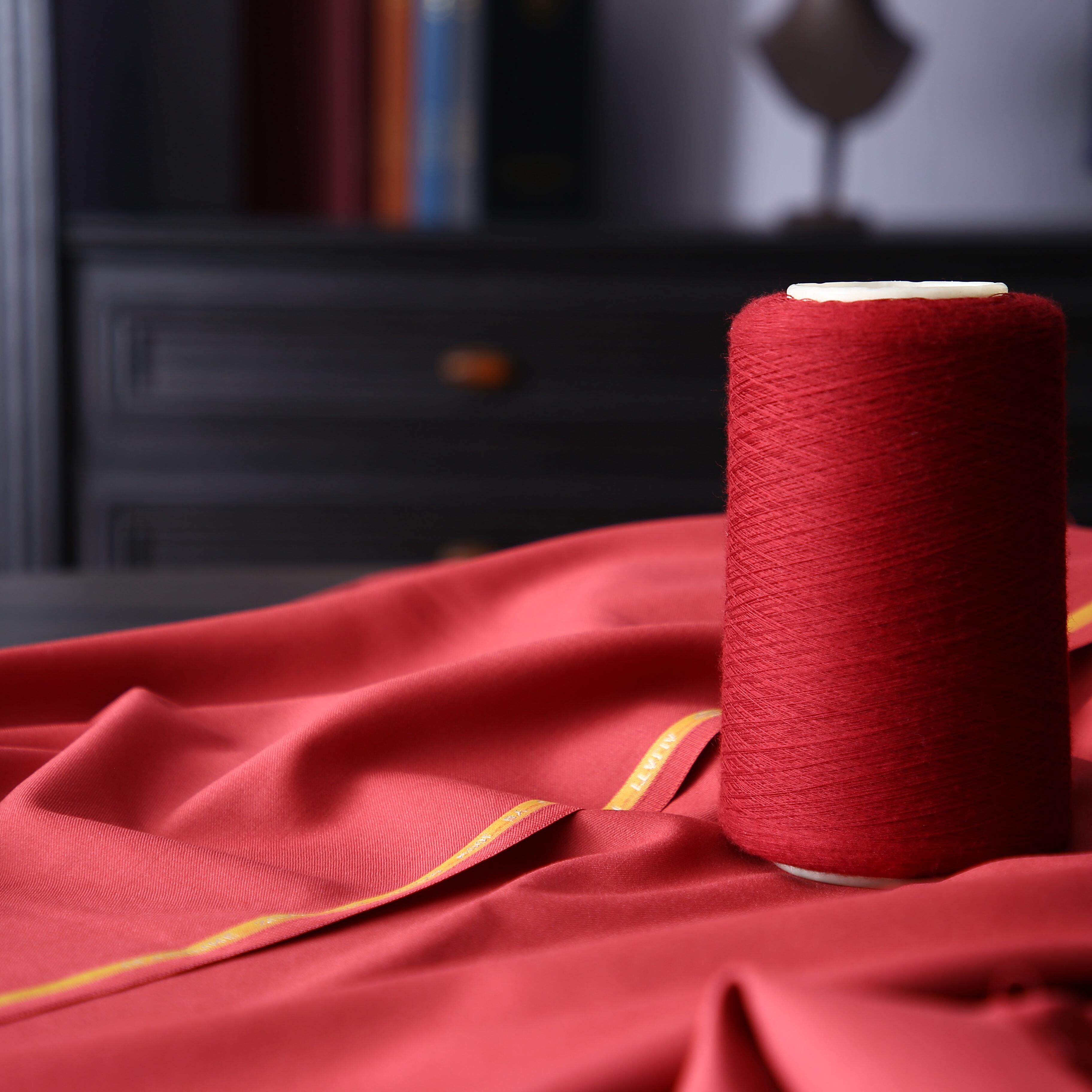
Performance apparel manufacturers worldwide are increasingly turning to merino wool fabric as their material of choice for creating high-quality, functional garments. This natural fiber has revolutionized the athletic and outdoor clothing industry with its unique combination of moisture-wicking properties, temperature regulation, and odor resistance. Unlike synthetic materials that often trap heat and moisture, merino wool fabric provides exceptional comfort and performance across diverse environmental conditions. The growing demand for sustainable and naturally derived materials has further elevated the status of merino wool fabric in the competitive performance apparel market.
The Science Behind Merino Wool Fabric Performance
Moisture Management Properties
The exceptional moisture management capabilities of merino wool fabric stem from its unique fiber structure and composition. Each fiber contains microscopic scales that create air pockets, allowing moisture to move away from the skin while maintaining breathability. This natural wicking action occurs through the fiber's ability to absorb up to 30% of its weight in moisture without feeling wet or clammy. The hygroscopic nature of merino wool fabric enables it to regulate humidity levels effectively, making it ideal for high-intensity activities where moisture control is crucial.
The crimped structure of merino wool fibers creates natural insulation pockets that trap warm air while allowing excess heat and moisture to escape. This dual-action mechanism ensures that wearers remain comfortable during varying activity levels and environmental conditions. Performance apparel manufacturers leverage these properties to create garments that maintain optimal body temperature without compromising on comfort or functionality.
Temperature Regulation Mechanisms
Merino wool fabric demonstrates remarkable thermoregulatory properties that adapt to changing environmental conditions and body temperatures. The fiber's natural structure allows it to provide insulation when temperatures drop while offering cooling properties when temperatures rise. This adaptive behavior makes merino wool fabric particularly valuable for creating versatile performance garments suitable for various climates and activities.
The protein-based structure of merino wool contains amino acids that react to changes in humidity and temperature, enabling the fabric to expand and contract naturally. This responsive behavior helps maintain optimal microclimate conditions next to the skin, reducing the need for multiple layers or frequent clothing changes during extended outdoor activities. Performance apparel brands utilize this characteristic to develop all-season garments that provide consistent comfort across temperature ranges.
Superior Comfort and Wearability Features
Softness and Skin Compatibility
Modern merino wool fabric processing techniques have eliminated the scratchy, irritating qualities traditionally associated with wool garments. The fine diameter of merino wool fibers, typically measuring 18-24 microns, creates an incredibly soft texture that feels comfortable against sensitive skin. This fineness allows the fibers to bend when they come into contact with the skin, preventing the prickly sensation that coarser wool varieties can cause.
The natural protein structure of merino wool fabric makes it inherently compatible with human skin, reducing the likelihood of allergic reactions or irritation. This biocompatibility, combined with the fabric's smooth surface texture, enables manufacturers to create base layers and next-to-skin garments that can be worn comfortably for extended periods without chafing or discomfort.
Stretch and Recovery Properties
The natural elasticity of merino wool fabric provides excellent stretch and recovery characteristics that enhance garment fit and durability. These fibers can stretch up to 40% of their original length and return to their initial shape without permanent deformation. This inherent flexibility allows performance apparel manufacturers to create form-fitting garments that move naturally with the body while maintaining their structural integrity over time.
The crimp structure of merino wool fibers contributes to the fabric's ability to resist wrinkles and maintain its shape after repeated washing and wearing cycles. This dimensional stability reduces the need for frequent garment replacement and ensures consistent fit and appearance throughout the product's lifespan, making merino wool fabric an economically viable choice for performance apparel applications.
Odor Resistance and Hygiene Benefits
Natural Antimicrobial Properties
One of the most significant advantages of merino wool fabric in performance apparel applications is its natural resistance to odor-causing bacteria. The lanolin present in wool fibers creates an environment that inhibits bacterial growth, preventing the development of unpleasant odors even during intense physical activities. This antimicrobial action occurs without the need for chemical treatments, making merino wool fabric a naturally hygienic choice for athletic and outdoor garments.
The protein structure of merino wool fabric contains sulfur compounds that further enhance its odor-resistant properties. These compounds neutralize odor molecules and prevent them from binding to the fiber surface, ensuring that garments remain fresh for extended periods between washes. This characteristic is particularly valuable for multi-day outdoor adventures or travel situations where frequent laundering is not practical.
Extended Wear Capabilities
The natural odor resistance of merino wool fabric allows for extended wear periods without compromising hygiene or comfort. Unlike synthetic fabrics that quickly develop unpleasant odors, merino wool garments can be worn for several days in succession while maintaining freshness. This extended wear capability reduces the need for frequent washing, which not only saves time and energy but also extends the garment's lifespan by reducing wear from repeated wash cycles.
Performance apparel manufacturers capitalize on this extended wear capability to market their merino wool products to travelers, backpackers, and professionals who require reliable, low-maintenance clothing solutions. The ability to pack fewer garments while maintaining hygiene standards makes merino wool fabric particularly attractive for weight-conscious applications such as ultralight backpacking and minimalist travel.
Durability and Longevity Advantages
Fiber Strength and Resilience
Merino wool fabric demonstrates exceptional durability characteristics that make it suitable for demanding performance apparel applications. The natural strength of wool fibers, combined with their ability to withstand repeated stretching and compression, ensures that garments maintain their structural integrity even under harsh conditions. The molecular structure of wool proteins provides inherent toughness that resists tearing and abrasion better than many synthetic alternatives.
The scale structure on the surface of merino wool fibers creates natural protection against wear and degradation. These microscopic scales interlock during fabric construction, creating a strong, cohesive material that can withstand the rigors of outdoor activities and frequent use. This natural armor-like protection helps merino wool fabric maintain its appearance and performance characteristics throughout extended use cycles.
Resistance to Environmental Factors
Merino wool fabric exhibits remarkable resistance to environmental factors that typically degrade other textile materials. The fiber's natural UV resistance helps prevent color fading and structural weakening when exposed to prolonged sunlight. This characteristic is particularly valuable for outdoor performance apparel that must maintain its appearance and functionality despite constant sun exposure.
The hydrophobic nature of the outer layer of merino wool fibers provides natural water repellency while maintaining breathability. This dual characteristic allows the fabric to shed light moisture while still allowing internal vapor transfer. The flame-resistant properties of merino wool fabric add an additional safety benefit for outdoor enthusiasts and workers in environments where fire hazards may exist.
Manufacturing and Processing Advantages
Versatile Fabric Construction Options
Merino wool fabric offers exceptional versatility in manufacturing processes, allowing apparel makers to create diverse fabric weights and textures to meet specific performance requirements. The fiber can be processed into ultra-fine fabrics for lightweight base layers or heavier constructions for insulating mid-layers and outerwear. This adaptability enables manufacturers to develop comprehensive product lines using a single fiber type while maintaining consistent performance characteristics across different garment categories.
The natural compatibility of merino wool with various manufacturing techniques allows for innovative fabric constructions that combine different yarn weights and textures within a single garment. Manufacturers can create zone-specific constructions that provide enhanced ventilation in high-heat areas while maintaining insulation in core body regions. This design flexibility enables the creation of highly specialized performance garments tailored to specific activities and environmental conditions.
Blending Capabilities with Other Fibers
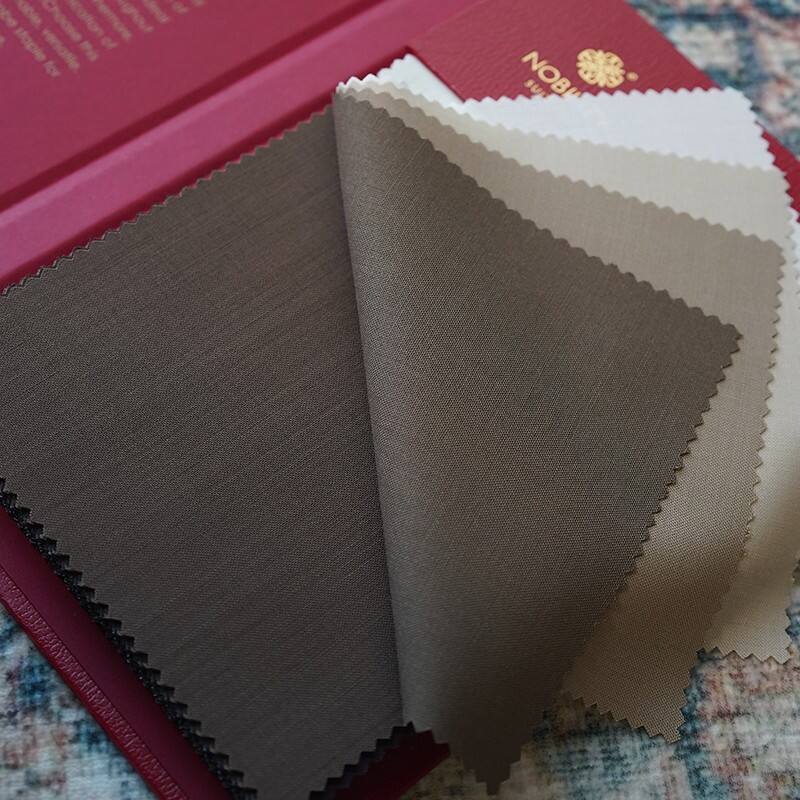
Merino wool fabric can be successfully blended with other natural and synthetic fibers to enhance specific performance characteristics while maintaining the core benefits of wool. Common blends incorporate small percentages of elastane for improved stretch, polyester for enhanced durability, or silk for increased luster and drape. These strategic combinations allow manufacturers to fine-tune fabric properties for specific applications while preserving the natural benefits that make merino wool fabric desirable.
The ability to blend merino wool with recycled fibers supports sustainability initiatives while maintaining performance standards. These eco-friendly blends appeal to environmentally conscious consumers while providing manufacturers with cost-effective options for developing sustainable product lines. The natural affinity of wool for dyes also allows for vibrant, long-lasting color options that maintain their appearance throughout the garment's lifespan.
Market Positioning and Consumer Appeal
Premium Brand Differentiation
The association of merino wool fabric with premium quality and performance creates significant brand differentiation opportunities for apparel manufacturers. Consumers increasingly recognize merino wool as a symbol of superior craftsmanship and attention to detail, allowing brands to position their products in higher-value market segments. This premium positioning supports improved profit margins while building brand loyalty among discerning customers who prioritize quality and performance.
The storytelling potential of merino wool fabric enables brands to connect with consumers on emotional levels by highlighting the natural origins, traditional craftsmanship, and sustainable production methods associated with wool processing. This narrative approach resonates particularly well with outdoor enthusiasts and environmentally conscious consumers who value authenticity and environmental responsibility in their purchasing decisions.
Growing Market Demand
Consumer demand for merino wool fabric continues to grow as awareness of its performance benefits increases across various market segments. The shift toward natural and sustainable materials in the fashion and outdoor industries has created expanded opportunities for merino wool products. Market research indicates strong growth projections for wool-based performance apparel, driven by increasing consumer willingness to invest in high-quality, durable garments.
The versatility of merino wool fabric applications extends beyond traditional outdoor and athletic markets into casual wear, business attire, and luxury fashion segments. This market expansion provides manufacturers with opportunities to leverage their merino wool expertise across multiple product categories, creating economies of scale and reducing dependence on seasonal or niche markets.
FAQ
How does merino wool fabric compare to synthetic performance materials
Merino wool fabric offers several advantages over synthetic performance materials, including superior odor resistance, natural temperature regulation, and enhanced comfort against the skin. While synthetic materials may excel in specific areas such as quick-drying speed or cost-effectiveness, merino wool fabric provides a more balanced performance profile with additional benefits like UV protection and flame resistance. The natural properties of merino wool fabric also eliminate the need for chemical treatments that are often required to enhance synthetic material performance.
What care requirements should consumers expect with merino wool fabric garments
Modern merino wool fabric garments typically require less frequent washing due to their natural odor resistance, but when cleaning is necessary, they should be washed in cool water with wool-specific detergents. Most contemporary merino wool fabrics are treated to be machine washable, though air drying is recommended to maintain fiber integrity and prevent shrinkage. The self-cleaning properties of merino wool fabric often allow for simple airing out between uses, reducing the overall maintenance burden compared to synthetic alternatives.
Is merino wool fabric suitable for all climate conditions
Merino wool fabric demonstrates excellent adaptability across various climate conditions due to its natural thermoregulatory properties. In cold conditions, the fiber provides insulation while allowing moisture vapor to escape, preventing overheating during active periods. In warm weather, merino wool fabric's breathability and cooling properties help maintain comfort, while its UV protection offers additional benefits for sun exposure. This versatility makes merino wool fabric suitable for year-round use and diverse geographical locations.
What should manufacturers consider when sourcing merino wool fabric
Manufacturers should prioritize sourcing merino wool fabric from suppliers who can provide consistent quality, ethical production practices, and reliable supply chains. Key considerations include fiber micron count for softness, mulesing-free certification for ethical treatment of sheep, and processing methods that maintain the natural properties of the wool. Additionally, manufacturers should evaluate the sustainability credentials of their suppliers, including land management practices and environmental impact mitigation efforts, to meet growing consumer demands for responsible sourcing.