
 EN
EN
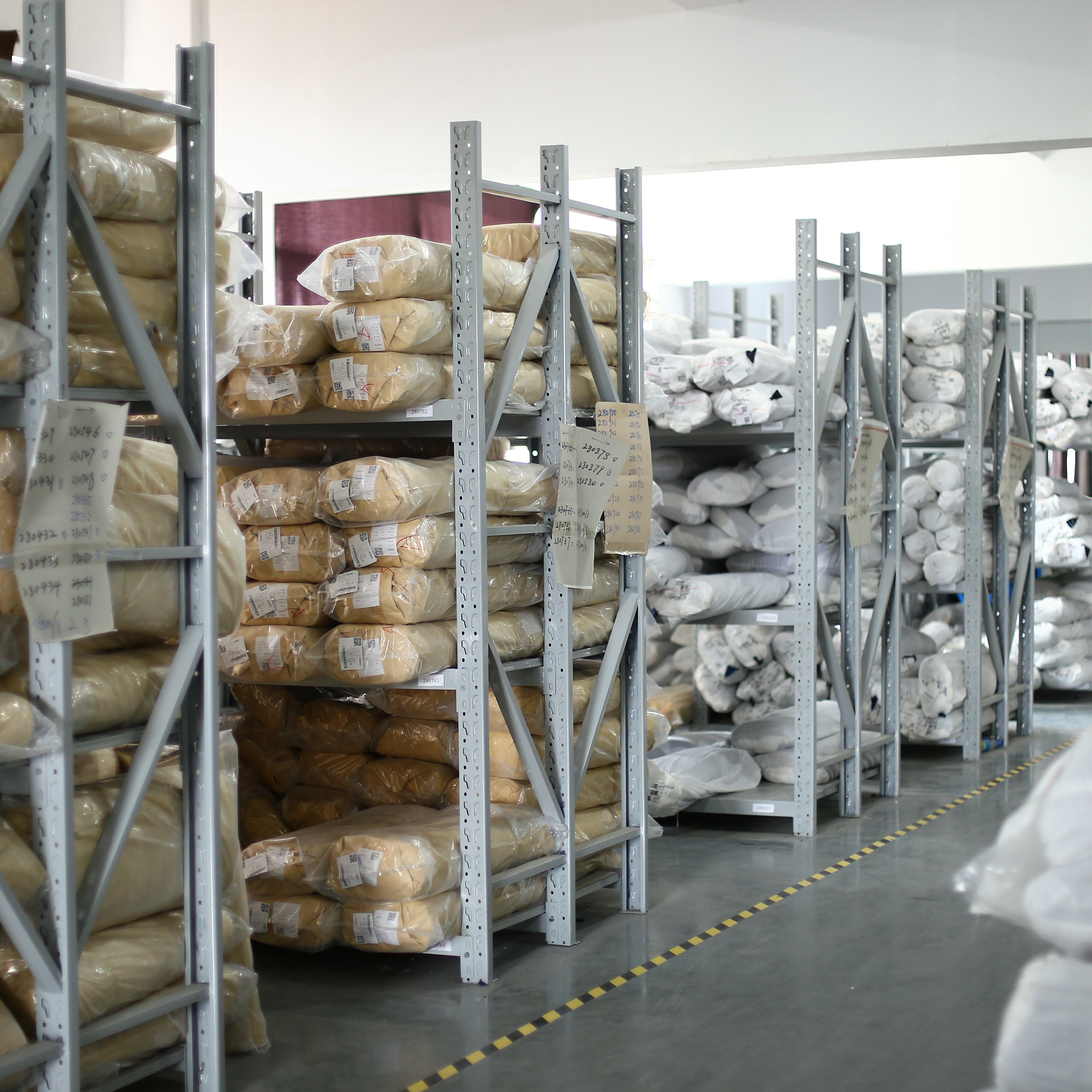
The global menswear market continues to evolve, with consumers increasingly demanding higher quality garments that offer durability, comfort, and sophisticated styling. For suit manufacturers looking to elevate their product offerings and capture premium market segments, the foundation of success lies in selecting superior raw materials. The choice of fabric fundamentally determines the final garment's appearance, performance, and market positioning, making it a critical decision point for factory operations seeking competitive advantage.
Manufacturing facilities that prioritize fabric quality consistently achieve better profit margins, reduced production waste, and stronger customer loyalty. The strategic selection of premium textiles enables factories to differentiate their products in an increasingly crowded marketplace while building long-term relationships with discerning retailers and end consumers. Understanding the technical specifications and performance characteristics of different fabric types becomes essential for production managers aiming to optimize their manufacturing processes and product outcomes.
Understanding Premium Fabric Characteristics
Fiber Quality and Construction Methods
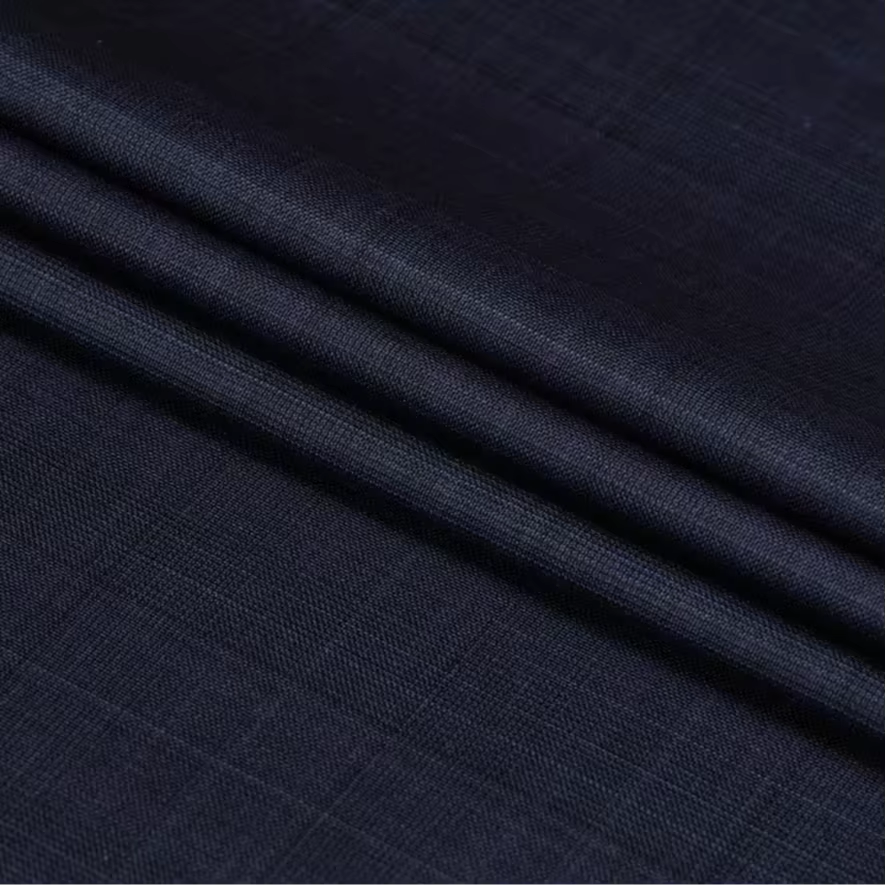
Superior fabric begins with the quality of raw fibers and the precision of construction techniques employed during manufacturing. Worsted wool fabric represents one of the most refined textile categories available to suit manufacturers, characterized by its smooth surface texture, excellent drape properties, and resistance to wrinkle formation. The worsted spinning process removes shorter fibers and aligns longer ones parallel to create a strong, smooth yarn that produces fabrics with exceptional clarity and definition.
The construction density of premium fabrics directly impacts their performance characteristics and longevity. Higher thread counts typically correlate with increased durability and improved appearance retention, though the relationship between density and quality must be balanced against factors such as breathability and drape. Manufacturing facilities that understand these technical relationships can make informed decisions about fabric selection based on their target market requirements and price positioning strategies.
Weight Classifications and Seasonal Applications
Fabric weight plays a crucial role in determining garment suitability for different seasons and wear occasions. Medium-weight fabrics, typically ranging from 260 to 320 grams per meter, offer versatility across multiple seasons while maintaining structural integrity and professional appearance. These weights provide an optimal balance between durability and comfort, making them ideal for business suits and formal wear applications.
Seasonal considerations become particularly important when factories develop comprehensive product lines targeting different market segments. Lighter weights work well for spring and summer collections, while heavier constructions suit autumn and winter requirements. The ability to source consistent quality across different weight categories enables manufacturers to maintain brand coherence while addressing diverse consumer needs throughout the year.
Production Benefits of High-Quality Fabrics
Manufacturing Efficiency Improvements
Premium fabrics typically exhibit superior handling characteristics during cutting, sewing, and pressing operations, leading to measurable improvements in production efficiency. Consistent thread tension, reduced fraying, and predictable shrinkage rates contribute to smoother manufacturing workflows and fewer quality control issues. These operational advantages translate directly into cost savings through reduced material waste and decreased rework requirements.
Quality fabrics also demonstrate better response to pressing and shaping operations, allowing manufacturers to achieve professional finishing results with less time and energy investment. The stability of premium textiles during various production stages reduces the likelihood of distortion or damage, enabling factories to maintain consistent quality standards across large production runs while minimizing labor costs associated with corrective measures.
Reduced Defect Rates and Returns
Investing in superior fabric quality significantly reduces the incidence of manufacturing defects and customer returns, protecting profit margins and brand reputation. High-grade textiles exhibit consistent color retention, dimensional stability, and resistance to common wear-related issues such as pilling and seam failure. These characteristics ensure that finished garments maintain their appearance and performance throughout their expected service life.
The reduction in defect rates associated with premium fabrics also decreases the administrative burden on quality control departments and customer service teams. Fewer warranty claims and return processing requirements allow factories to allocate resources more efficiently toward productive activities rather than corrective measures, ultimately improving overall operational profitability and customer satisfaction metrics.
Market Positioning and Brand Development
Premium Segment Penetration
Utilizing high-quality fabrics enables suit manufacturers to access premium market segments where consumers prioritize craftsmanship and material excellence over price considerations. These market niches typically offer superior profit margins and greater customer loyalty, providing sustainable competitive advantages for factories willing to invest in superior raw materials. The perceived value associated with premium fabrics supports higher retail pricing and improved brand positioning.
Success in premium markets requires consistent quality delivery and the ability to communicate fabric benefits effectively to both retail partners and end consumers. Factories that develop expertise in premium textile selection and application can build reputations as quality-focused manufacturers, attracting sophisticated clients who value technical excellence and craftsmanship over lowest-cost alternatives.
Brand Differentiation Strategies
Quality fabric selection serves as a powerful tool for brand differentiation in competitive markets where price pressure continues to intensify. Manufacturers can develop signature fabric partnerships or exclusive textile specifications that distinguish their products from competitors while building recognizable quality standards. These differentiation strategies create barriers to imitation and support premium pricing strategies.
Effective brand differentiation through fabric quality requires comprehensive understanding of target customer preferences and market positioning objectives. Factories must balance fabric costs against market requirements while ensuring that quality improvements translate into measurable value propositions for retailers and consumers. This strategic approach to fabric selection supports long-term brand building and market share expansion.
Technical Specifications and Performance Standards
Durability and Longevity Factors
Professional-grade fabrics must meet stringent durability requirements to ensure garment longevity and customer satisfaction. Key performance indicators include tensile strength, abrasion resistance, colorfastness, and dimensional stability under various environmental conditions. These technical specifications directly influence garment service life and customer perception of quality, making them critical considerations for manufacturing facility procurement decisions.
Testing protocols for fabric durability should encompass both laboratory assessments and real-world performance evaluations to ensure comprehensive quality validation. Manufacturers benefit from establishing clear performance benchmarks that align with their quality standards and market positioning goals, enabling consistent supplier evaluation and product development decisions based on objective criteria rather than subjective assessments alone.
Care and Maintenance Requirements
Premium fabrics often feature specialized care requirements that must be clearly communicated to retailers and end consumers to ensure optimal performance and appearance retention. Understanding these requirements enables manufacturers to provide comprehensive product information and care instructions that protect their quality reputation while educating customers about proper garment maintenance practices.
The care characteristics of selected fabrics also influence manufacturing processes, particularly in areas such as pre-shrinking, pressing temperatures, and finishing techniques. Factories that understand these relationships can optimize their production parameters to maximize fabric performance while ensuring compatibility with standard commercial cleaning and maintenance procedures expected by consumers.
Supplier Relationships and Quality Assurance
Vendor Selection and Evaluation
Establishing reliable relationships with premium fabric suppliers requires systematic evaluation processes that assess both product quality and supply chain reliability. Successful manufacturers develop comprehensive vendor assessment criteria that encompass technical specifications, delivery performance, quality consistency, and long-term partnership potential. These relationships become strategic assets that support consistent product quality and competitive positioning.
Effective supplier partnerships extend beyond transactional relationships to include collaborative product development, quality improvement initiatives, and market trend sharing. Factories that invest in building these deeper relationships often gain access to innovative fabrics, preferential pricing, and technical support that provides competitive advantages in rapidly evolving markets.
Quality Control and Inspection Protocols
Implementing rigorous quality control protocols for incoming fabric inspections ensures consistent raw material quality and prevents production issues that could compromise finished product standards. Comprehensive inspection procedures should address visual defects, dimensional accuracy, color consistency, and performance characteristics relevant to intended applications. These protocols protect manufacturing operations from quality variations that could impact production efficiency or customer satisfaction.
Documentation and traceability systems for fabric quality control enable manufacturers to identify and address quality issues quickly while maintaining comprehensive records for customer inquiries and warranty claims. These systems also support continuous improvement efforts by providing data for supplier performance evaluation and quality trend analysis over time.
Cost-Benefit Analysis and Investment Returns
Initial Investment Considerations
While premium fabrics require higher initial investment compared to standard alternatives, the total cost of ownership often favors quality materials when factors such as reduced waste, improved efficiency, and enhanced market positioning are considered. Manufacturing facilities must evaluate fabric costs within the context of their complete value proposition rather than focusing solely on raw material expenses.
Investment analysis should encompass both direct costs associated with fabric procurement and indirect benefits such as reduced quality control expenses, decreased customer service requirements, and improved brand reputation. These comprehensive evaluations enable informed decision-making that supports long-term profitability and competitive positioning objectives while ensuring sustainable business growth.
Long-term Profitability Impact
Premium fabric investments typically generate returns through multiple channels including higher selling prices, reduced manufacturing costs, and improved customer retention rates. These combined benefits often result in superior profitability compared to low-cost alternatives, particularly in markets where quality differentiation supports premium pricing strategies and customer loyalty programs.
Long-term profitability analysis must also consider the impact of quality reputation on business development opportunities and market expansion potential. Manufacturers known for quality excellence often attract higher-value clients and partnership opportunities that provide sustainable competitive advantages and growth prospects beyond immediate production benefits.
FAQ
What makes worsted wool superior to other fabric types for suit manufacturing
Worsted wool fabric offers exceptional durability, wrinkle resistance, and drape characteristics that make it ideal for professional suiting applications. The worsted spinning process creates smooth, strong yarns that produce fabrics with superior appearance retention and longevity compared to alternatives such as woolen or synthetic materials. Additionally, worsted wool provides excellent temperature regulation and moisture management properties that enhance wearer comfort across various environmental conditions.
How does fabric weight selection impact garment performance and manufacturing costs
Fabric weight directly influences garment drape, durability, and seasonal appropriateness, with medium weights around 280 grams providing optimal versatility for year-round wear. Heavier fabrics typically offer increased durability but may require specialized handling during manufacturing, while lighter weights provide enhanced comfort but may compromise structural integrity. Manufacturing costs can vary based on weight selection due to differences in cutting efficiency, sewing requirements, and pressing parameters needed to achieve professional finishing results.
What quality control measures ensure consistent fabric performance across production runs
Effective quality control requires systematic inspection of incoming fabrics for color consistency, dimensional accuracy, surface defects, and performance characteristics such as tensile strength and shrinkage rates. Manufacturers should implement standardized testing protocols that evaluate both visual appearance and technical specifications against established benchmarks. Additionally, maintaining detailed documentation and supplier performance tracking enables continuous improvement and quick identification of quality variations that could impact production outcomes.
How can manufacturers balance fabric quality investments with competitive pricing requirements
Successful manufacturers focus on total value creation rather than initial fabric costs alone, considering factors such as reduced waste, improved efficiency, and enhanced market positioning when evaluating premium fabric investments. Strategic fabric selection enables access to higher-margin market segments where quality differentiation supports premium pricing strategies. Additionally, building strong supplier relationships often provides access to volume discounts and exclusive fabric options that help balance quality objectives with cost management requirements.
Table of Contents
- Understanding Premium Fabric Characteristics
- Production Benefits of High-Quality Fabrics
- Market Positioning and Brand Development
- Technical Specifications and Performance Standards
- Supplier Relationships and Quality Assurance
- Cost-Benefit Analysis and Investment Returns
-
FAQ
- What makes worsted wool superior to other fabric types for suit manufacturing
- How does fabric weight selection impact garment performance and manufacturing costs
- What quality control measures ensure consistent fabric performance across production runs
- How can manufacturers balance fabric quality investments with competitive pricing requirements