
 EN
EN
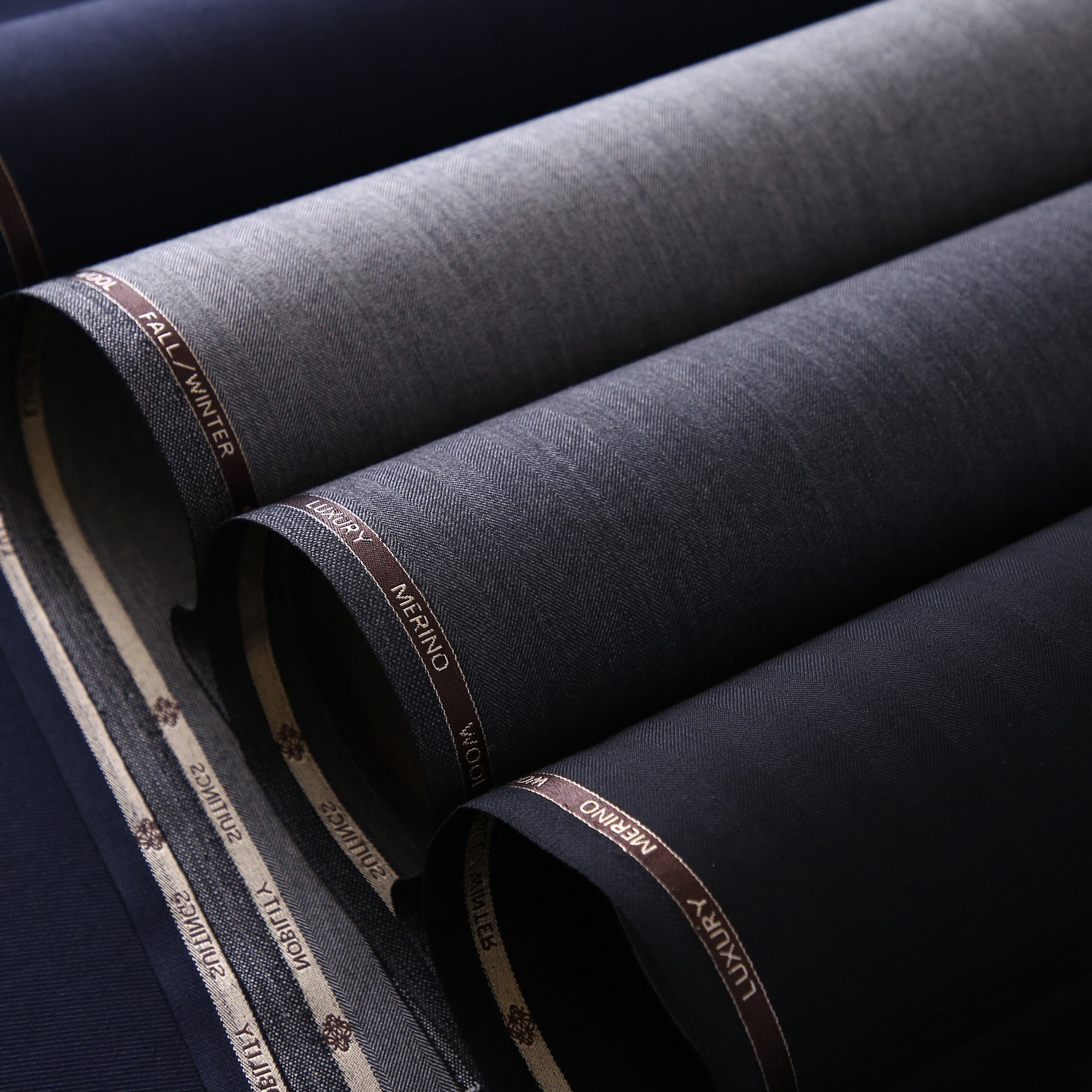
Purchasing fabric in bulk quantities for suit production represents a critical decision that impacts manufacturing costs, product quality, and ultimately business profitability. Understanding the essential parameters when sourcing bulk suits fabric requires careful evaluation of multiple factors that extend beyond simple price considerations. Professional buyers and manufacturers must develop expertise in assessing fabric specifications, supplier reliability, and market dynamics to make informed procurement decisions that support their business objectives.
The complexity of fabric procurement in wholesale quantities demands systematic evaluation processes that account for technical specifications, commercial terms, and long-term supplier relationships. Successful procurement strategies balance immediate cost savings with quality consistency, delivery reliability, and flexibility to accommodate changing market demands. These considerations become increasingly important as businesses scale their operations and seek to maintain competitive advantages in dynamic apparel markets.
Fabric Composition and Quality Standards
Understanding Fiber Content Requirements
The foundation of any successful fabric procurement strategy begins with clearly defined fiber content specifications that align with target market expectations and price points. Natural fibers like wool, cotton, and linen offer distinct characteristics in terms of breathability, durability, and luxury perception, while synthetic blends provide enhanced performance features such as wrinkle resistance and moisture management. Buyers must establish minimum quality thresholds for fiber purity, particularly when dealing with wool content percentages that significantly impact fabric hand feel and drape characteristics.
Quality assessment protocols should include standardized testing procedures for fiber identification, yarn count verification, and fabric weight consistency across production runs. These technical parameters directly influence garment construction requirements, manufacturing processes, and final product performance. Establishing clear specifications prevents quality variations that could compromise production efficiency or customer satisfaction in finished garments.
Weave Structure and Construction Analysis
Fabric construction parameters including weave density, thread count, and structural integrity determine both aesthetic appeal and functional performance of finished suits. Plain weaves offer durability and cost efficiency, while twill constructions provide enhanced drape and visual texture that commands premium pricing in luxury markets. Understanding these technical distinctions enables buyers to select appropriate constructions for specific product categories and target customer segments.
Construction consistency across large production runs requires careful supplier evaluation and ongoing quality monitoring throughout the procurement process. Variations in weave tension, yarn placement, or finishing treatments can create noticeable differences in fabric appearance and performance that impact garment quality and manufacturing efficiency. Establishing detailed construction specifications with measurable tolerances helps maintain consistency standards essential for professional suit production.
Supplier Evaluation and Partnership Development
Production Capacity and Scalability Assessment
Evaluating supplier production capabilities requires comprehensive analysis of manufacturing capacity, equipment sophistication, and ability to scale production volumes according to business growth projections. Established fabric mills with modern equipment typically demonstrate greater consistency in quality control and delivery performance compared to smaller operations with limited technical resources. However, specialized producers may offer unique fabric developments or customization capabilities that justify partnership considerations despite smaller scale operations.
Capacity assessment should include evaluation of supplier flexibility to accommodate seasonal demand fluctuations, rush orders, and potential changes in specification requirements. Understanding supplier allocation policies for large customers versus smaller accounts helps predict service levels and priority status during peak production periods. These factors significantly influence supply chain reliability and ability to maintain consistent inventory levels for ongoing operations.
Geographic Considerations and Logistics
Location-based factors including shipping costs, transit times, and regulatory compliance requirements substantially impact total procurement costs and supply chain complexity. Domestic suppliers typically offer shorter lead times and simplified logistics but may command premium pricing compared to international alternatives. Evaluating the total cost of ownership including transportation, insurance, customs duties, and inventory carrying costs provides accurate comparison metrics for supplier selection decisions.
International sourcing strategies require careful consideration of trade regulations, currency fluctuations, and geopolitical stability that could impact supply continuity. Developing diversified supplier networks across multiple geographic regions helps mitigate risks associated with regional disruptions while maintaining cost competitiveness through strategic sourcing approaches.
Commercial Terms and Pricing Strategies
Volume Pricing and Contract Negotiations
Bulk purchasing advantages extend beyond simple volume discounts to include preferential payment terms, inventory management support, and exclusive access to new fabric developments. Negotiating multi-tier pricing structures based on annual volume commitments provides cost predictability while maintaining flexibility for business growth or market changes. Understanding supplier cost structures and margin requirements enables more effective negotiation strategies that create mutual value for long-term partnerships.
Contract terms should address quality standards, delivery schedules, penalty clauses for non-performance, and procedures for handling defective materials. These agreements protect business interests while establishing clear expectations for supplier performance. Including provisions for periodic price reviews and market adjustment mechanisms helps maintain competitive pricing throughout extended contract periods while accounting for raw material cost fluctuations.
When sourcing bulk suits fabric, establishing comprehensive procurement frameworks ensures consistent quality and supply reliability essential for successful garment manufacturing operations.
Payment Terms and Financial Considerations
Financial structuring of bulk fabric purchases requires careful balance between cash flow optimization and supplier relationship management. Extended payment terms improve working capital efficiency but may result in higher unit costs or require additional security arrangements. Understanding supplier financing needs and cash flow cycles enables development of mutually beneficial payment structures that support long-term partnerships while optimizing financial performance.
Risk management considerations include credit insurance, payment guarantees, and procedures for handling quality disputes or delivery delays. These financial protections become increasingly important with larger purchase volumes where potential losses could significantly impact business operations. Establishing clear dispute resolution procedures and financial remedies helps protect investments while maintaining productive supplier relationships.
Quality Control and Inspection Protocols
Pre-Shipment Testing Procedures
Comprehensive quality assurance programs require standardized testing protocols that evaluate fabric performance characteristics relevant to suit production requirements. Colorfastness testing, dimensional stability analysis, and abrasion resistance evaluation provide objective measures of fabric suitability for professional garment applications. These technical assessments help prevent costly production problems and customer complaints that could damage brand reputation and profitability.
Establishing statistical sampling procedures for large fabric orders ensures representative quality assessment while managing inspection costs and delivery schedules. Random sampling techniques combined with risk-based inspection protocols focus resources on critical quality parameters while maintaining overall quality assurance effectiveness. Documentation of test results creates valuable historical data for supplier performance evaluation and continuous improvement initiatives.
Receiving and Storage Management
Proper fabric handling and storage procedures protect material investments while maintaining quality standards throughout the supply chain. Environmental controls including temperature regulation, humidity management, and protection from UV exposure prevent fabric degradation that could compromise manufacturing quality or increase waste rates. Systematic inventory rotation procedures ensure older materials are utilized before deterioration affects usability or appearance characteristics.
Receiving inspection protocols should verify fabric specifications, identify potential shipping damage, and document any discrepancies for supplier resolution. Prompt identification of quality issues enables faster resolution and minimizes production disruptions that could impact customer delivery commitments. Establishing clear procedures for quarantining questionable materials prevents defective fabrics from entering production processes where they could create significant cost and schedule impacts.
Market Trends and Future Considerations
Sustainability and Environmental Impact
Growing environmental consciousness among consumers and regulatory requirements drive increasing demand for sustainable fabric options and responsible sourcing practices. Understanding supplier environmental certifications, production processes, and waste management practices becomes essential for maintaining brand reputation and accessing environmentally conscious market segments. These considerations may justify premium pricing for certified sustainable materials that support corporate responsibility objectives.
Lifecycle assessment of fabric choices includes evaluation of raw material production, manufacturing processes, transportation impacts, and end-of-life disposal considerations. Suppliers demonstrating commitment to environmental stewardship through measurable sustainability initiatives often provide competitive advantages in markets where environmental responsibility influences purchasing decisions. Integrating sustainability criteria into supplier evaluation processes helps align procurement strategies with broader corporate values and market positioning.
Technology Integration and Innovation
Technological advances in fabric development continue creating new opportunities for performance enhancement and cost optimization in suit fabrics. Smart textiles incorporating moisture management, temperature regulation, or antimicrobial properties command premium pricing while providing differentiation opportunities in competitive markets. Understanding emerging technologies and their commercial viability helps identify early adoption opportunities that could provide competitive advantages.
Digital integration of supply chain management through electronic data interchange, automated reordering systems, and real-time inventory tracking improves operational efficiency while reducing administrative costs. Suppliers offering advanced technology integration capabilities often demonstrate superior service levels and operational sophistication that support more efficient procurement processes. Evaluating technology capabilities becomes increasingly important as businesses seek to optimize supply chain performance through digital transformation initiatives.
FAQ
What minimum order quantities typically apply to bulk suits fabric purchases
Minimum order quantities for bulk suits fabric vary significantly based on fabric type, supplier policies, and customization requirements. Standard wool suitings typically require minimum orders ranging from 500 to 2000 meters per color and pattern, while specialty fabrics or custom developments may require higher minimums of 3000 to 5000 meters. Working with suppliers to understand their production economics helps optimize order quantities that balance inventory investment with cost efficiency.
How should businesses evaluate fabric quality consistency across large orders
Quality consistency evaluation requires establishing measurable standards for color matching, fabric weight variance, and construction uniformity across production runs. Implementing statistical process control methods with defined tolerance ranges helps identify quality variations before they impact production. Regular communication with suppliers about quality expectations and periodic facility audits ensure ongoing compliance with established standards throughout large order fulfillment.
What factors most significantly impact bulk fabric pricing negotiations
Volume commitments, payment terms, and order predictability represent the most influential factors in bulk fabric pricing negotiations. Suppliers typically offer graduated pricing tiers based on annual purchase volumes, with additional discounts available for extended payment terms or guaranteed order schedules. Understanding supplier cost structures including raw material expenses, production capacity utilization, and overhead allocation helps develop more effective negotiation strategies.
How can businesses mitigate risks associated with large fabric inventory investments
Risk mitigation strategies include diversifying supplier relationships, implementing staged delivery schedules, and maintaining appropriate insurance coverage for inventory investments. Establishing clear quality specifications with penalty clauses for non-conforming materials protects against supplier performance issues. Additionally, developing flexible production planning that can accommodate fabric availability variations helps optimize inventory turnover while maintaining customer service levels.
Table of Contents
- Fabric Composition and Quality Standards
- Supplier Evaluation and Partnership Development
- Commercial Terms and Pricing Strategies
- Quality Control and Inspection Protocols
- Market Trends and Future Considerations
-
FAQ
- What minimum order quantities typically apply to bulk suits fabric purchases
- How should businesses evaluate fabric quality consistency across large orders
- What factors most significantly impact bulk fabric pricing negotiations
- How can businesses mitigate risks associated with large fabric inventory investments