
 EN
EN
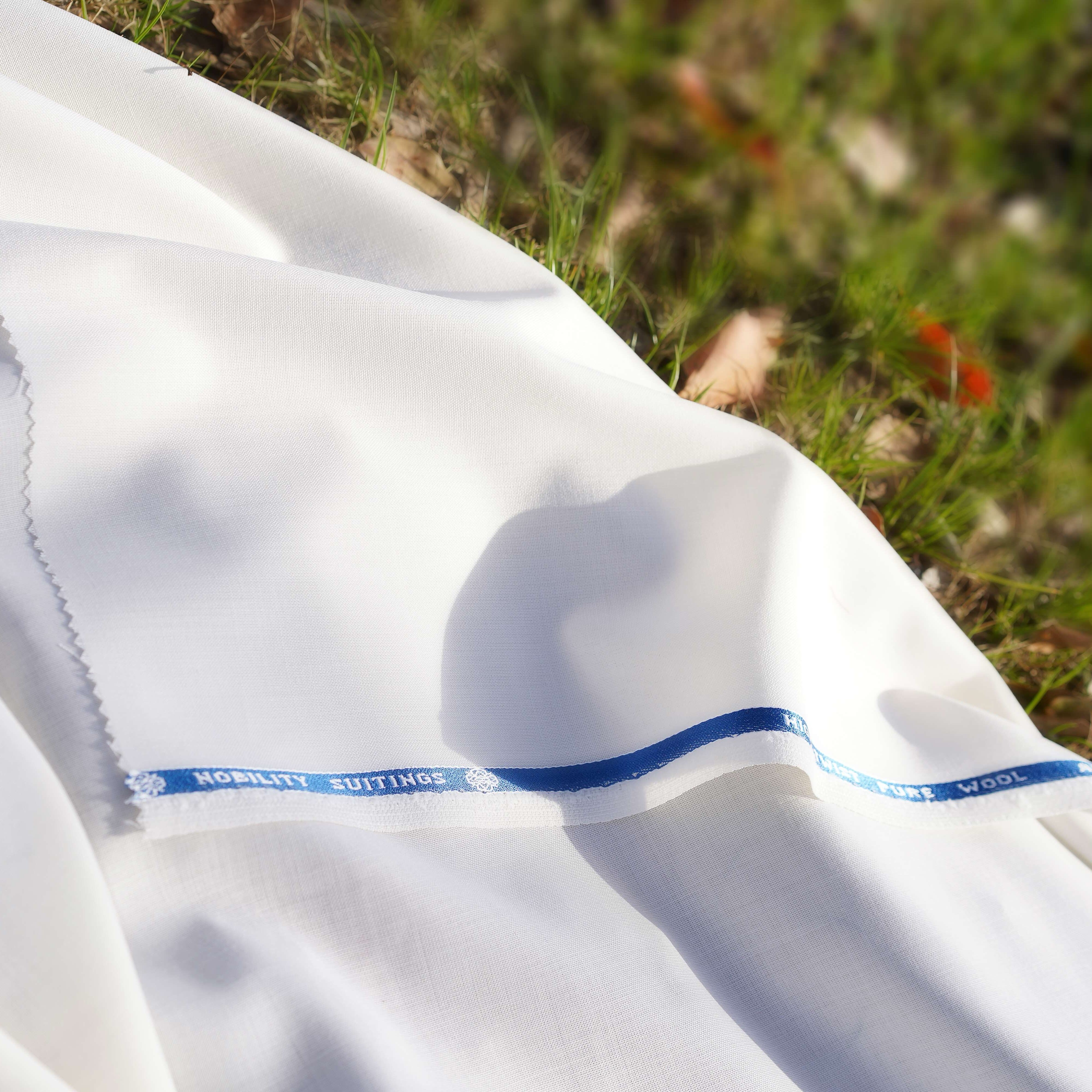
Brand differentiation in today's competitive textile and fashion markets demands strategic material choices that communicate quality, sustainability, and premium positioning. Pure wool fabrics represent one of the most effective pathways for brands to elevate their market perception while delivering tangible value to discerning consumers who increasingly prioritize natural fibers and long-term quality over disposable fashion trends.
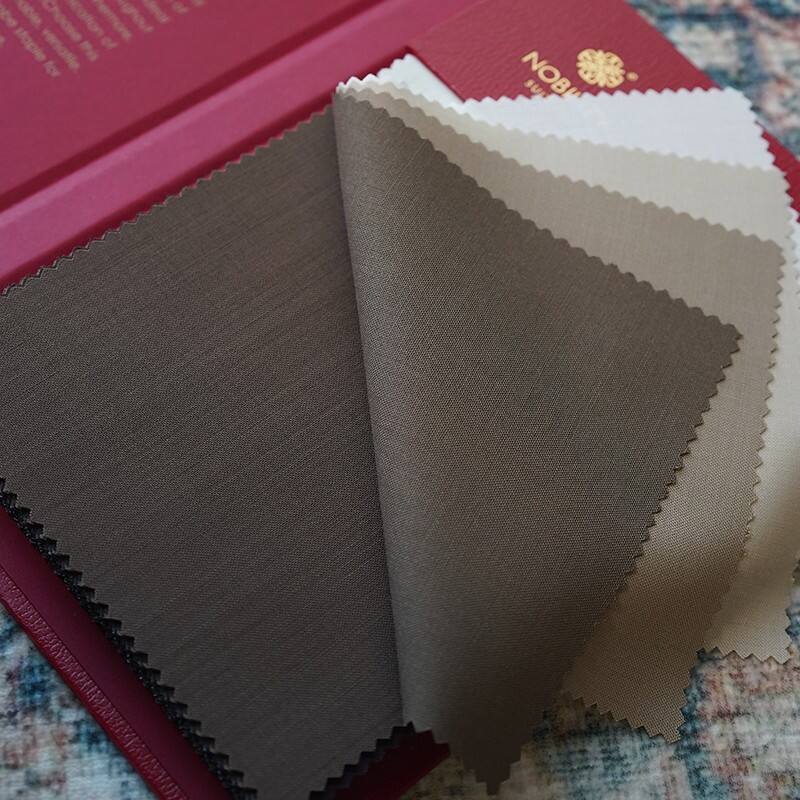
The strategic integration of pure wool into product lines creates immediate brand equity through inherent material properties that signal craftsmanship, durability, and environmental consciousness. Brands leveraging pure wool position themselves within premium market segments where consumers actively seek authentic materials that align with their values regarding quality, comfort, and responsible consumption patterns.
The Quality Signal Advantage of Pure Wool Materials
Inherent Performance Characteristics That Define Premium Positioning
Pure wool delivers performance attributes that immediately communicate quality to consumers, creating brand differentiation through material excellence rather than marketing claims alone. The natural crimp structure of wool fibers provides exceptional elasticity and recovery, ensuring garments maintain their shape and appearance through extended wear cycles, directly supporting brand promises of durability and long-term value.
The moisture-wicking properties of pure wool enable superior comfort regulation, allowing brands to market functional benefits alongside aesthetic appeal. This dual-purpose positioning strengthens brand credibility in markets where consumers expect both performance and style, particularly in professional wear, outdoor apparel, and luxury casual segments where pure wool excels.
Temperature regulation capabilities of pure wool create year-round versatility that supports brand messaging around timeless design and investment purchasing rather than seasonal disposability. Brands utilizing pure wool can emphasize the economic value proposition of fewer, higher-quality purchases over frequent replacement cycles.
Tactile Quality Recognition and Consumer Perception
The distinctive hand-feel of pure wool provides immediate tactile verification of quality that supports premium pricing strategies and enhances perceived value at point-of-sale interactions. Consumers can physically assess the quality difference between pure wool and synthetic alternatives, creating confidence in brand quality claims and justifying higher price points.
Natural luster and draping characteristics of pure wool contribute to visual quality signals that translate into stronger brand perception across retail environments. The way pure wool catches light and moves with the body creates an unmistakable premium appearance that enhances brand imagery in both static displays and dynamic wear situations.
Color retention and aging characteristics of pure wool support long-term brand satisfaction by maintaining appearance quality throughout the product lifecycle. Brands can confidently warranty their pure wool products knowing that natural fiber resilience supports rather than undermines their quality reputation over time.
Market Positioning Strategies Through Pure Wool Integration
Premium Segment Alignment and Brand Perception
Brands incorporating pure wool automatically align with premium market expectations where natural fibers command respect and justify higher margins. The historical association of pure wool with luxury and quality creates immediate brand elevation without requiring extensive consumer education about material benefits, leveraging existing market perceptions to enhance brand positioning.
Competitive differentiation emerges naturally when brands choose pure wool over synthetic alternatives, as the material choice itself becomes a brand statement about quality priorities and manufacturing standards. This differentiation proves particularly valuable in crowded market segments where functional performance differences between products may be minimal.
Heritage and craftsmanship associations with pure wool enable brands to tap into consumer desires for authentic, traditional manufacturing approaches while maintaining modern design sensibilities. This balance between tradition and innovation strengthens brand narratives around timeless quality and responsible material sourcing.
Consumer Trust Building Through Material Transparency
Pure wool's natural origin provides brands with transparent sourcing stories that build consumer trust in an era of increasing scrutiny over manufacturing practices and material authenticity. Brands can trace their pure wool supply chains and communicate direct connections to responsible farming and processing practices.
Material honesty inherent in pure wool positioning allows brands to avoid the credibility challenges associated with synthetic performance claims or chemical treatment marketing. Consumers increasingly value straightforward material stories over complex technical explanations, making pure wool an ideal foundation for authentic brand communication.
Third-party verification opportunities for pure wool content and processing methods provide brands with credible quality assurance mechanisms that strengthen consumer confidence and support premium positioning claims through independent validation rather than self-promotion.
Sustainability Messaging and Brand Values Alignment
Environmental Positioning Through Natural Fiber Choice
Pure wool's renewable nature enables brands to authentically communicate environmental responsibility without the greenwashing risks associated with synthetic alternatives or chemical treatments designed to mimic natural fiber properties. The biodegradability of pure wool supports circular economy messaging that resonates with environmentally conscious consumers.
Carbon footprint advantages of pure wool production, particularly from responsible pastoral farming systems, allow brands to quantify their environmental benefits and support sustainability claims with measurable data. This scientific backing strengthens brand credibility in markets where environmental claims face increasing scrutiny.
Longevity benefits of pure wool align with sustainability messaging around reducing consumption frequency and supporting slow fashion principles. Brands can position their pure wool products as environmentally responsible choices that deliver value through extended usability rather than disposal and replacement cycles.
Consumer Values Integration and Brand Loyalty Building
Ethical sourcing opportunities in pure wool supply chains enable brands to align with consumer values regarding animal welfare and farming practices. Transparent relationships with wool producers allow brands to communicate comprehensive value stories that extend beyond product quality to encompass social and environmental responsibility.
Local and regional sourcing possibilities for pure wool support brand narratives around community support and supply chain transparency. Brands can highlight their contributions to rural economies and traditional farming practices while maintaining quality control and traceability throughout their pure wool procurement processes.
Artisan collaboration opportunities in pure wool processing and product development enable brands to showcase traditional craftsmanship while supporting skilled trades and cultural preservation. These partnerships create authentic brand stories that resonate with consumers seeking meaningful connections between their purchases and broader social values.
Practical Implementation Strategies for Brand Elevation
Product Line Integration and Quality Communication
Strategic product line architecture using pure wool allows brands to create clear quality hierarchies that guide consumer purchasing decisions while maximizing profitability across different market segments. Premium pure wool offerings can anchor brand perception while supporting entry-level products through quality association and brand halo effects.
Educational marketing approaches for pure wool properties help consumers understand value propositions and justify premium pricing through knowledge rather than persuasion. Brands can position themselves as textile experts while building consumer appreciation for pure wool benefits through informative content and demonstration opportunities.
Care instruction communication for pure wool products becomes a brand touchpoint that reinforces quality messaging while building customer relationships through ongoing product stewardship. Proper pure wool care guidance demonstrates brand commitment to long-term customer satisfaction and product performance.
Market Communication and Brand Narrative Development
Seasonal marketing strategies for pure wool leverage natural thermal properties to create year-round relevance while emphasizing versatility and investment value. Brands can develop comprehensive communication calendars that highlight different pure wool benefits throughout seasonal transitions and usage scenarios.
Partnership opportunities with pure wool suppliers and industry organizations provide brands with credible endorsements and access to educational resources that strengthen market positioning. These relationships enable brands to stay current with pure wool innovations while maintaining authentic connections to traditional fiber expertise.
Customer testimonial integration focusing on pure wool performance and satisfaction creates peer-driven validation that supports brand quality claims through authentic user experiences. Long-term customer relationships with pure wool products generate powerful advocacy that enhances brand credibility and attracts similar quality-conscious consumers.
FAQ
How does pure wool pricing strategy affect brand positioning?
Pure wool naturally supports premium pricing strategies because consumers expect and accept higher costs for quality natural fibers. The key is ensuring that pricing reflects genuine value delivery through superior performance, durability, and environmental benefits. Brands should position pure wool pricing as investment value rather than premium cost, emphasizing long-term ownership benefits and reduced replacement frequency compared to synthetic alternatives.
What are the main challenges brands face when transitioning to pure wool?
Supply chain complexity represents the primary challenge, as pure wool requires specialized handling, processing, and inventory management compared to synthetic materials. Additionally, consumer education becomes necessary since many customers lack understanding of pure wool care requirements and performance characteristics. Brands must also navigate seasonal availability fluctuations and potential cost volatility inherent in natural fiber markets while maintaining consistent product quality and availability.
How quickly can brands see positioning improvements after introducing pure wool?
Immediate tactile and visual quality improvements become apparent at point-of-sale, creating instant brand elevation in retail environments. However, meaningful brand positioning changes typically require 6-12 months as customer experiences accumulate and word-of-mouth advocacy develops. Sustained positioning improvement depends on consistent pure wool integration across multiple product lines and marketing touchpoints rather than isolated premium offerings.
Which market segments respond best to pure wool brand positioning?
Professional and business casual wear segments show strong response to pure wool positioning due to performance requirements and quality expectations in workplace environments. Additionally, environmentally conscious consumers across all demographics increasingly seek pure wool as an authentic sustainable option. Luxury and heritage fashion markets traditionally embrace pure wool, while outdoor and active wear segments appreciate the functional performance benefits that support premium brand positioning.