
 EN
EN
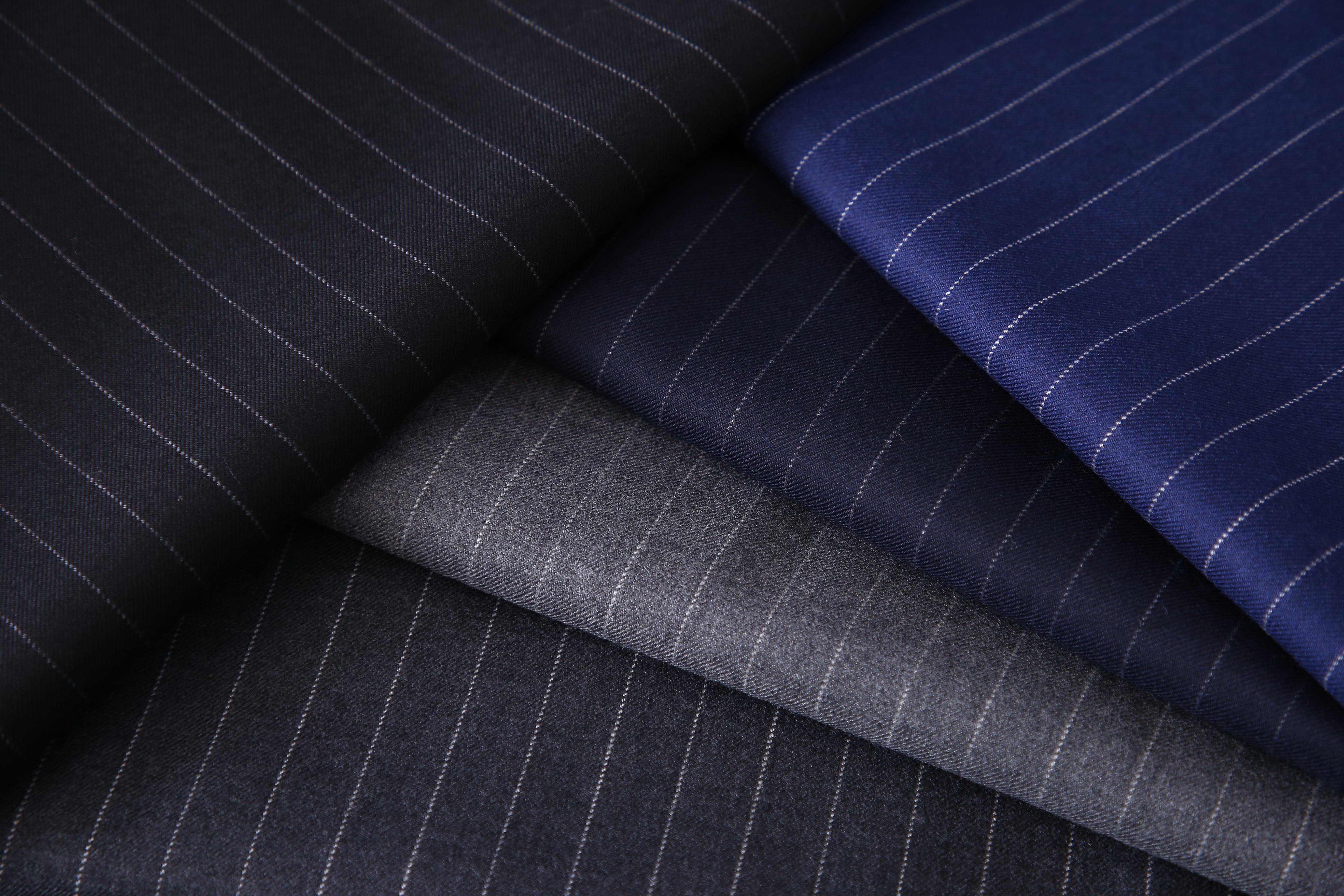
Wool blend fabrics serve as cornerstone materials in modern OEM and ODM garment production, offering manufacturers the perfect balance of natural fiber benefits and enhanced performance characteristics. These versatile textiles combine wool's inherent properties with synthetic or other natural fibers, creating materials that address the complex demands of contract manufacturing while maintaining quality standards that end-brand customers expect.
The strategic integration of wool blend materials into OEM and ODM workflows revolutionizes production efficiency, cost management, and product differentiation capabilities. Manufacturing partners rely on these fabric solutions to deliver consistent quality across diverse product lines while meeting the scalability requirements that define successful contract manufacturing relationships in today's competitive textile market.
Manufacturing Efficiency Through Wool Blend Properties
Streamlined Processing Characteristics
Wool blend fabrics demonstrate superior processing stability compared to pure wool alternatives, enabling OEM manufacturers to maintain consistent production schedules. The synthetic fiber components within these blends reduce shrinkage variability during pre-treatment phases, allowing cutting operations to proceed with greater precision and reduced material waste. This stability translates directly into improved yield rates and more predictable production timelines.
The enhanced dimensional stability of wool blend materials supports automated cutting and sewing operations that form the backbone of modern OEM production facilities. Manufacturing teams can program cutting equipment with confidence, knowing that wool blend fabrics will maintain their intended measurements throughout the production cycle. This reliability eliminates the need for constant recalibration and reduces the risk of sizing inconsistencies that can derail large-scale production runs.
Temperature and humidity fluctuations, which often disrupt pure wool processing, have minimal impact on properly formulated wool blend compositions. This environmental resilience allows OEM facilities to maintain consistent output regardless of seasonal variations or facility location, ensuring that delivery commitments to brand partners remain achievable throughout the year.
Optimized Sewing and Assembly Operations
The mechanical properties of wool blend fabrics align perfectly with high-speed industrial sewing equipment used in OEM and ODM operations. The synthetic fiber content provides the tensile strength needed to withstand rapid stitching rates while the wool component maintains the fabric's natural drape and hand feel. This combination allows production lines to operate at optimal speeds without compromising seam integrity or finished garment quality.
Needle penetration forces remain consistent across wool blend materials, reducing thread breakage incidents that can halt production lines and impact delivery schedules. The uniform fiber distribution within quality wool blend fabrics eliminates the dense and loose areas that characterize some pure wool textiles, ensuring smooth needle passage and consistent stitch formation throughout the garment construction process.
Heat application during pressing and finishing operations responds predictably with wool blend materials, allowing ODM manufacturers to establish standardized procedures across multiple product lines. The controlled shrinkage behavior and stable shape retention properties of these fabrics enable consistent finishing results, regardless of the specific garment style or construction complexity involved in the production run.
Cost Management and Supply Chain Advantages
Raw Material Cost Optimization
Wool blend compositions offer OEM manufacturers significant cost advantages compared to pure wool alternatives while maintaining the premium characteristics that end consumers associate with wool-based garments. The strategic incorporation of synthetic fibers or other natural materials reduces overall raw material costs without compromising the essential properties that define quality garment construction.
Price volatility, which frequently affects pure wool markets due to seasonal factors and supply chain disruptions, has reduced impact on wool blend material costs. The diversified fiber content provides a buffer against extreme price fluctuations, allowing OEM partners to offer more stable pricing to their brand customers and maintain predictable profit margins across extended production contracts.
Bulk purchasing strategies become more effective with wool blend materials, as the enhanced storage stability and reduced sensitivity to environmental conditions allow manufacturers to maintain larger inventory positions without quality degradation risks. This capability supports better negotiation positions with suppliers and enables more efficient production planning across multiple client projects.
Inventory Management Benefits
The improved storage characteristics of wool blend fabrics reduce the specialized handling requirements that pure wool materials often demand. OEM facilities can utilize standard textile storage systems without the extensive climate control measures needed for natural wool preservation, lowering operational overhead costs and simplifying warehouse management procedures.
Reduced susceptibility to moth damage and other pest-related issues eliminates the need for chemical treatments that can complicate production workflows and add unnecessary costs to the manufacturing process. Wool blend materials maintain their integrity during extended storage periods, supporting just-in-time production strategies and reducing the working capital requirements associated with excessive safety stock levels.
The standardized handling procedures applicable to wool blend fabrics allow OEM manufacturers to cross-train personnel across different material types, improving operational flexibility and reducing the specialized knowledge requirements that can limit staffing options during peak production periods or unexpected demand fluctuations.
Quality Consistency and Performance Standards
Standardized Quality Metrics
Wool blend fabrics provide OEM and ODM manufacturers with measurable quality parameters that support consistent production outcomes across diverse product lines and extended manufacturing runs. The controlled fiber composition eliminates many of the natural variations found in pure wool materials, enabling manufacturers to establish precise specifications that can be reliably maintained throughout the production process.
Testing protocols for wool blend materials align with standard textile industry procedures, allowing quality control teams to implement consistent evaluation methods across multiple fabric types and production batches. This standardization reduces training requirements and eliminates the specialized testing procedures that pure wool materials often require, streamlining quality assurance operations and reducing the potential for testing errors.
The predictable performance characteristics of wool blend compositions enable OEM partners to provide accurate specifications to their brand customers, supporting product development timelines and reducing the prototype iterations needed to achieve desired performance targets. This reliability builds trust in manufacturing relationships and supports long-term partnership development.
Durability and Longevity Factors
The enhanced durability properties of wool blend fabrics directly impact the reputation and customer satisfaction levels that OEM and ODM manufacturers can deliver to their brand partners. The synthetic fiber components provide resistance to abrasion and tearing that pure wool alone cannot match, ensuring that finished garments maintain their appearance and structural integrity throughout normal wear cycles.
Dimensional stability improvements in wool blend materials reduce the post-sale complaints and warranty issues that can strain relationships between manufacturers and their brand customers. The reduced shrinkage potential and improved shape retention characteristics of these fabrics contribute to higher customer satisfaction scores and repeat business opportunities for manufacturing partners.
Color fastness properties in properly processed wool blend fabrics exceed those typically achievable with pure wool materials, supporting the production of garments that maintain their aesthetic appeal throughout extended use periods. This performance advantage enables OEM manufacturers to confidently support brand partners' quality commitments and warranty programs.
Design Flexibility and Product Innovation
Versatile Styling Options
Wool blend materials provide ODM manufacturers with exceptional design flexibility, enabling the creation of diverse product lines that meet varying market segment requirements while maintaining production efficiency. The controlled drape characteristics and consistent hand feel of these fabrics support both structured and flowing silhouettes, allowing design teams to explore creative directions without being constrained by material limitations.
The enhanced stretch recovery properties available in certain wool blend formulations enable the production of fitted garments that maintain their shape integrity over time. This capability opens opportunities for ODM partners to develop performance-oriented product lines that combine wool's natural benefits with the functional characteristics demanded by active lifestyle consumers.
Surface texture variations achievable through different wool blend compositions allow manufacturers to create distinctive product differentiation without requiring significant changes to established production processes. The ability to offer varied tactile experiences while maintaining consistent manufacturing procedures supports efficient product line extensions and seasonal collection development.
Market Adaptation Capabilities
The versatile performance profile of wool blend fabrics enables OEM and ODM manufacturers to quickly adapt their production capabilities to emerging market trends and changing consumer preferences. The balance of natural and synthetic properties provides a foundation that can be optimized for different applications through adjustments in fiber ratios and finishing treatments.
Seasonal adaptability becomes more manageable with wool blend materials, as the controlled thermal properties allow manufacturers to develop year-round product offerings that maintain consistent quality standards. This capability reduces the complexity of managing multiple fabric types for different seasons and supports more efficient production planning and inventory management strategies.
The proven compatibility of wool blend fabrics with various dyeing and finishing processes enables rapid response to color trend changes and special customization requests from brand partners. This flexibility supports the agile manufacturing approaches that characterize successful OEM and ODM operations in today's fast-paced fashion and apparel markets.
FAQ
What specific wool blend ratios work best for OEM garment production?
The most effective wool blend ratios for OEM production typically range from 50-70% wool content combined with polyester, acrylic, or other synthetic fibers. These compositions provide optimal processing stability while maintaining wool's desirable characteristics. The exact ratio depends on the intended garment application, with higher wool content for premium products and balanced blends for cost-effective production runs.
How do wool blend fabrics impact production lead times compared to pure wool?
Wool blend fabrics generally reduce production lead times by 15-25% compared to pure wool materials due to their enhanced processing stability and reduced pre-treatment requirements. The improved dimensional consistency eliminates time-consuming adjustments during cutting and sewing operations, while the reduced shrinkage variability allows for more predictable scheduling throughout the production cycle.
Can wool blend materials meet luxury market quality expectations for ODM products?
High-quality wool blend fabrics successfully meet luxury market standards when properly formulated with premium wool content and appropriate synthetic fiber selection. The key lies in choosing blends that enhance performance without compromising the tactile qualities and visual characteristics that luxury consumers expect, while providing the consistency needed for large-scale ODM production.
What quality control measures are essential for wool blend fabric processing?
Essential quality control measures for wool blend processing include fiber composition verification, dimensional stability testing, colorfastness evaluation, and consistent monitoring of fabric hand and drape characteristics. Regular testing of tensile strength and abrasion resistance ensures that the synthetic fiber components are providing their intended performance benefits without compromising the overall fabric quality.
Table of Contents
- Manufacturing Efficiency Through Wool Blend Properties
- Cost Management and Supply Chain Advantages
- Quality Consistency and Performance Standards
- Design Flexibility and Product Innovation
-
FAQ
- What specific wool blend ratios work best for OEM garment production?
- How do wool blend fabrics impact production lead times compared to pure wool?
- Can wool blend materials meet luxury market quality expectations for ODM products?
- What quality control measures are essential for wool blend fabric processing?