 EN
EN
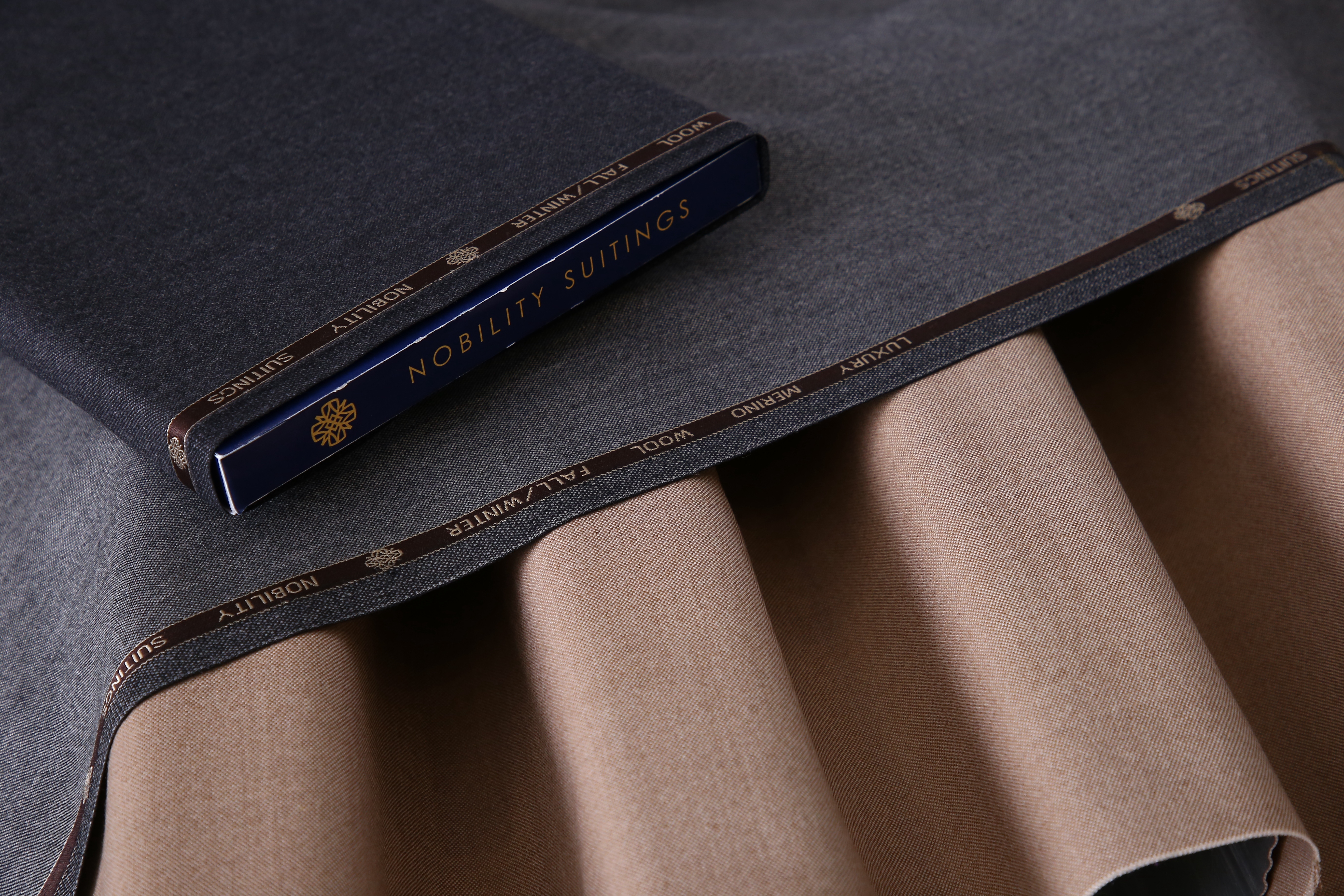
Expanding corporate apparel lines requires strategic fabric selection that balances performance, aesthetics, and cost efficiency. Modern businesses increasingly turn to wool blend fabrics as a foundation for professional clothing collections that meet diverse workplace demands. These versatile textile combinations offer the natural benefits of wool while incorporating synthetic or other natural fibers to enhance durability, reduce costs, and improve care characteristics.
Successfully integrating wool blend options into corporate apparel lines involves understanding fabric composition ratios, performance characteristics, and market positioning strategies. Companies that master these elements can develop comprehensive clothing collections that serve multiple market segments while maintaining consistent quality standards. The key lies in selecting appropriate wool blend formulations that align with specific corporate apparel applications and target customer expectations.
Understanding Wool Blend Composition for Corporate Applications
Essential Wool Blend Ratios for Professional Wear
Corporate apparel manufacturers must evaluate different wool blend ratios to determine optimal performance characteristics for their target markets. Traditional wool blend compositions range from 50/50 wool-polyester combinations to 70/30 wool-synthetic blends, each offering distinct advantages for professional clothing applications. The 50/50 wool blend provides excellent balance between natural wool properties and synthetic durability, making it ideal for everyday business wear that requires frequent laundering and consistent appearance.
Higher wool content blends, such as 70/30 formulations, deliver superior thermal regulation and natural moisture management while maintaining enhanced wrinkle resistance through synthetic fiber integration. These compositions work particularly well for premium corporate apparel lines targeting executive and formal business segments. Lower wool content blends, including 40/60 or 30/70 ratios, offer cost advantages and improved easy-care properties, making them suitable for high-volume corporate uniform programs.
The selection of appropriate wool blend ratios directly impacts manufacturing processes, finishing requirements, and end-user satisfaction. Manufacturers must consider factors including yarn construction, fabric weight, and intended garment applications when determining optimal composition percentages for their corporate apparel lines.
Performance Characteristics of Different Blend Types
Wool blend fabrics exhibit varying performance characteristics based on their fiber composition and construction methods. Wool-polyester blends provide excellent dimensional stability, reducing shrinkage concerns that often affect pure wool garments in commercial laundering environments. This stability makes wool blend fabrics particularly valuable for corporate uniform programs where consistent fit and appearance are critical.
Wool-cotton blends offer enhanced breathability and comfort for warm-climate corporate environments while maintaining wool's natural temperature regulation properties. These combinations work well for business casual collections and seasonal corporate apparel lines. The cotton component improves fabric hand feel and reduces static buildup common in synthetic-heavy blends.
Advanced wool blend formulations incorporating performance fibers like elastane or moisture-wicking synthetics create stretch and comfort features essential for modern corporate wear. These specialized blends enable manufacturers to develop corporate apparel lines that meet contemporary workplace mobility requirements while preserving professional appearance standards.
Strategic Market Positioning for Wool Blend Corporate Lines
Identifying Target Market Segments
Successful expansion of corporate apparel lines using wool blend fabrics requires precise market segment identification and positioning strategies. Executive and management-level corporate wear represents a premium market segment that values wool blend fabrics for their professional appearance, durability, and comfort characteristics. This segment typically accepts higher price points in exchange for superior fabric performance and refined aesthetics.
Mid-level professional markets seek wool blend options that balance cost efficiency with professional appearance standards. These customers prioritize easy-care properties, consistent performance, and value pricing while maintaining workplace-appropriate aesthetics. Wool blend fabrics serve this segment well by offering natural wool benefits at reduced costs compared to pure wool alternatives.
High-volume corporate uniform markets focus primarily on durability, care efficiency, and cost control. Wool blend compositions with higher synthetic content ratios provide excellent solutions for these applications while maintaining sufficient natural fiber content to ensure comfort and professional appearance. Understanding these distinct market requirements enables manufacturers to develop targeted wool blend corporate apparel lines that address specific customer needs effectively.
Developing Product Line Architecture
Creating comprehensive corporate apparel lines using wool blend fabrics requires systematic product architecture development that addresses multiple price points and application requirements. Base-level product tiers should utilize cost-effective wool blend compositions that provide essential professional appearance characteristics while maintaining competitive pricing for high-volume applications.
Mid-tier product offerings can incorporate enhanced wool blend formulations with improved comfort features, better color retention, and superior wrinkle resistance. These products serve the broad professional market seeking upgraded performance without premium pricing. Advanced wool blend technologies, including stain resistance treatments and moisture management enhancements, differentiate these products from basic offerings.
Premium product tiers utilize high-performance wool blend fabrics with specialized fiber combinations and advanced finishing processes. These products target executive markets and specialized corporate applications requiring superior aesthetics, enhanced durability, and distinctive performance characteristics. The wool blend component provides natural benefits while synthetic additions ensure consistent performance under demanding use conditions.
Manufacturing and Quality Control Considerations
Production Process Optimization
Manufacturing wool blend fabrics for corporate apparel applications requires specialized production processes that optimize fiber integration and fabric performance characteristics. Yarn spinning techniques must accommodate different fiber types within the blend, ensuring uniform distribution and consistent quality throughout fabric production. Proper fiber preparation and blending ratios are critical for achieving desired fabric hand, appearance, and performance properties.
Weaving or knitting processes for wool blend fabrics require adjusted tension settings, processing speeds, and finishing parameters compared to single-fiber fabrics. The synthetic components in wool blend compositions often require different processing temperatures and chemical treatments than natural wool fibers. Manufacturers must develop specialized protocols that optimize both fiber types simultaneously.
Finishing processes for wool blend corporate apparel fabrics include heat setting, preshrinking, and performance treatments that enhance durability and appearance retention. These processes must account for the different thermal and chemical responses of blend components. Quality wool blend finishing ensures dimensional stability, color fastness, and performance consistency essential for corporate apparel applications.
Quality Assurance Protocols
Implementing comprehensive quality assurance protocols for wool blend corporate apparel fabrics ensures consistent performance and customer satisfaction across product lines. Testing programs must evaluate both individual fiber performance and blend integration effectiveness. Standard tests include dimensional stability, color fastness, abrasion resistance, and care durability assessments.
Wool blend fabric quality control requires specialized testing equipment and procedures that account for multi-fiber compositions. Shrinkage testing must consider differential fiber responses to washing and drying conditions. Color retention testing evaluates both natural and synthetic fiber coloration stability under various use and care conditions.
Performance validation protocols for wool blend corporate apparel include wear testing, laundering studies, and appearance retention evaluations. These comprehensive assessments ensure that wool blend fabrics meet corporate apparel performance standards throughout their intended service life. Regular quality monitoring prevents manufacturing variations that could compromise product consistency or customer satisfaction.
Cost Management and Supply Chain Optimization
Raw Material Sourcing Strategies
Effective cost management for wool blend corporate apparel lines begins with strategic raw material sourcing that balances quality requirements with cost objectives. Wool sourcing involves establishing relationships with reliable suppliers who can provide consistent quality natural fibers at competitive pricing. Long-term contracts and volume commitments often secure favorable pricing for wool components while ensuring supply stability.
Synthetic fiber sourcing for wool blend applications requires suppliers capable of producing fibers with specifications that complement wool characteristics. Polyester, nylon, and other synthetic components must meet specific performance criteria including dyeability, thermal properties, and mechanical characteristics that ensure successful blend integration. Supplier diversification reduces supply risks while maintaining quality standards.
Integrated sourcing strategies for wool blend fabrics consider both individual fiber costs and total fabric production economics. Volume purchasing agreements that cover multiple fiber types can reduce overall material costs while ensuring coordinated availability. Strategic inventory management balances carrying costs against price volatility and supply security for both natural and synthetic components.
Production Cost Optimization
Optimizing production costs for wool blend corporate apparel fabrics requires efficient manufacturing processes and waste minimization strategies. Blending efficiency improvements reduce fiber waste while ensuring consistent fabric quality. Process automation and quality control systems minimize production variations that lead to material waste or rework requirements.
Energy efficiency initiatives in wool blend fabric production focus on optimizing processing temperatures, reducing cycle times, and implementing heat recovery systems. These improvements reduce manufacturing costs while supporting sustainability objectives important to corporate customers. Efficient production planning minimizes setup times and maximizes equipment utilization across different wool blend compositions.
Labor cost optimization involves training programs that ensure workers understand wool blend processing requirements and quality standards. Efficient workflow design reduces handling time and minimizes production delays. Automated quality control systems reduce inspection labor while improving consistency detection capabilities for wool blend fabric production.
Marketing and Distribution Strategies
Brand Positioning and Communication
Successful marketing of wool blend corporate apparel lines requires clear brand positioning that communicates the unique benefits of blended fiber technologies. Marketing messages should emphasize the performance advantages that wool blend fabrics provide compared to single-fiber alternatives. Professional appearance, enhanced durability, and improved care characteristics represent key selling points for corporate customers.
Educational marketing approaches help corporate buyers understand wool blend composition benefits and appropriate applications for different business environments. Technical specifications, performance data, and case studies demonstrate wool blend fabric capabilities in real-world corporate settings. This information-focused approach builds customer confidence and supports informed purchasing decisions.
Sustainability messaging for wool blend corporate apparel can highlight the natural wool content while explaining synthetic component benefits for durability and longevity. Extended garment life and reduced replacement frequency support environmental responsibility objectives many corporations prioritize. Transparent communication about blend compositions and manufacturing processes builds trust with environmentally conscious corporate customers.
Distribution Channel Development
Developing effective distribution channels for wool blend corporate apparel requires understanding how different market segments prefer to purchase professional clothing. Direct sales to large corporations and uniform service companies provide high-volume opportunities for cost-effective wool blend products. These channels value consistent quality, reliable delivery, and competitive pricing over individual customization options.
Wholesale distribution through corporate apparel dealers and uniform suppliers extends market reach while leveraging established customer relationships. These partners require comprehensive product information, samples, and technical support to effectively represent wool blend corporate apparel lines. Training programs and marketing support materials help distribution partners communicate wool blend benefits to their customers.
Online distribution platforms provide opportunities to reach smaller corporate customers and individual professional buyers seeking wool blend corporate apparel options. E-commerce channels require detailed product descriptions, sizing information, and care instructions that help customers make informed decisions. Digital marketing strategies can effectively target professional audiences seeking enhanced corporate apparel solutions.
FAQ
What wool blend ratios work best for corporate uniforms?
For corporate uniforms, 50/50 wool-polyester and 40/60 wool-synthetic blends provide optimal balance between professional appearance, durability, and cost efficiency. These ratios offer sufficient wool content for natural benefits while incorporating synthetic fibers that enhance care ease and dimensional stability essential for high-volume uniform applications.
How do wool blend fabrics reduce corporate apparel maintenance costs?
Wool blend fabrics reduce maintenance costs through improved dimensional stability that prevents shrinkage, enhanced wrinkle resistance that reduces pressing requirements, and better stain resistance from synthetic components. These characteristics lower commercial laundering costs and extend garment life, providing significant cost savings for large corporate apparel programs.
Can wool blend corporate apparel lines serve multiple market segments simultaneously?
Yes, wool blend corporate apparel lines can effectively serve multiple market segments by utilizing different blend ratios and finishing treatments. Premium segments benefit from higher wool content blends with advanced performance features, while cost-conscious segments prefer lower wool content formulations that maintain professional appearance at competitive prices.
What quality control measures ensure consistent wool blend fabric performance?
Essential quality control measures include fiber blend ratio verification, dimensional stability testing, color fastness evaluation, and care durability assessment. Regular testing throughout production ensures consistent wool blend fabric performance, while incoming material inspection prevents quality variations from affecting finished fabric characteristics in corporate apparel applications.