
 EN
EN

The cost difference between wool blend and pure wool in bulk orders represents one of the most significant factors influencing procurement decisions in the textile industry. While pure wool commands premium pricing due to its superior natural properties, wool blend fabrics offer substantial cost savings without completely sacrificing quality. Understanding these cost differentials is essential for buyers seeking to balance budget constraints with performance requirements in their bulk purchasing strategies.
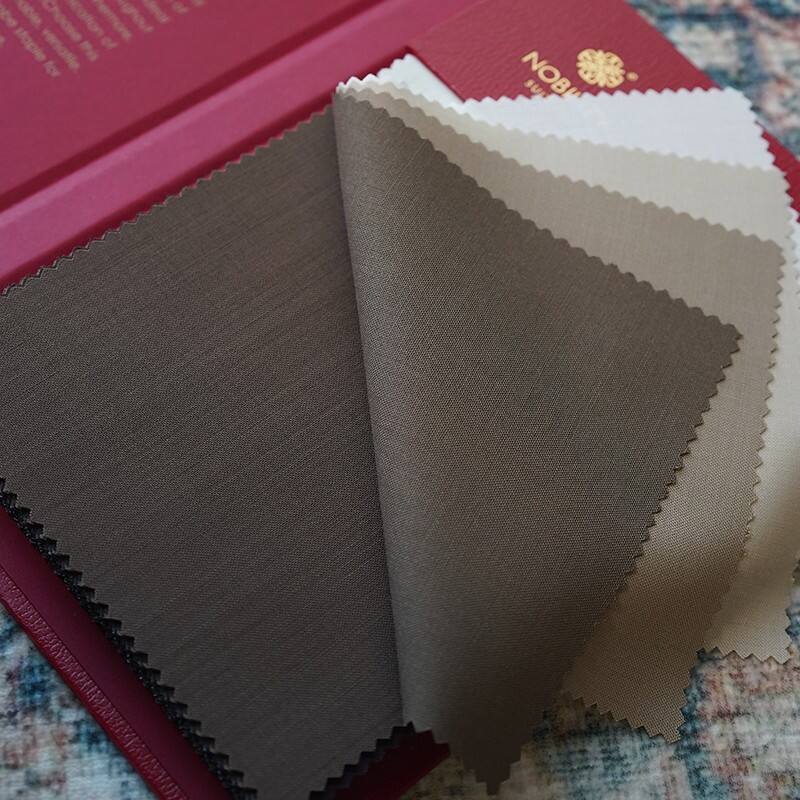
The pricing gap between wool blend materials and pure wool typically ranges from 30% to 60% in bulk orders, depending on the blend composition, order volume, and market conditions. This significant cost variance stems from fundamental differences in raw material costs, processing complexity, and supply chain factors. For procurement professionals managing large-scale textile purchases, these cost considerations directly impact product development timelines, profit margins, and competitive positioning in their respective markets.
Raw Material Cost Structure Analysis
Pure Wool Premium Factors
Pure wool commands higher prices due to the inherent costs associated with sheep farming, shearing, sorting, and initial processing. The agricultural nature of wool production means that prices fluctuate based on seasonal factors, weather conditions, and global supply dynamics. Premium wool grades require extensive quality control measures, with only select fleeces meeting the standards for high-grade textile applications. These selection processes add significant overhead costs that are reflected in the final pricing structure for bulk orders.
The grading system for pure wool involves multiple quality assessments, including fiber diameter measurements, staple length evaluations, and contamination checks. Each step in this quality assurance process requires specialized equipment and trained personnel, contributing to the overall cost structure. Additionally, pure wool requires careful handling throughout the supply chain to maintain fiber integrity, necessitating specialized storage and transportation arrangements that add to the cumulative cost burden.
Synthetic Fiber Economics in Wool Blend
Wool blend fabrics incorporate synthetic fibers such as polyester, acrylic, or nylon, which are produced through industrial manufacturing processes that offer greater cost predictability and volume scalability. These synthetic components are typically produced at significantly lower costs per pound compared to natural wool fibers. The manufacturing processes for synthetic fibers allow for continuous production schedules, eliminating the seasonal variations that affect wool pricing.
The cost advantage of synthetic fibers in wool blend compositions becomes more pronounced in larger order volumes, where economies of scale can be fully realized. Synthetic fiber producers can adjust production rates based on demand forecasts, providing greater supply chain stability and more competitive pricing for bulk purchasers. This manufacturing flexibility translates directly into cost savings that are passed through to end customers in bulk order scenarios.
Volume-Based Pricing Dynamics
Bulk Order Threshold Effects
The cost difference between wool blend and pure wool becomes more pronounced as order volumes increase, with bulk purchasing typically beginning at minimum order quantities of 1000 yards or more. At these volume levels, manufacturers can offer more aggressive pricing on wool blend products due to the predictable cost structure of synthetic fiber components. Pure wool pricing, however, remains constrained by the limited availability of premium-grade raw materials, resulting in less dramatic volume discounts.
Manufacturing efficiency gains in wool blend production allow suppliers to offer tiered pricing structures that reward larger order commitments. These volume incentives often result in cost reductions of 15% to 25% for orders exceeding 5000 yards, with additional savings available for orders surpassing 10000 yards. Pure wool products typically offer more modest volume discounts, generally ranging from 8% to 15%, due to the inherent cost constraints of natural fiber procurement and processing.
Supply Chain Optimization Benefits
Wool blend manufacturing benefits from streamlined supply chain processes that consolidate both natural and synthetic fiber sourcing through established industrial networks. This integration allows manufacturers to optimize procurement cycles, reduce inventory carrying costs, and minimize supply chain disruptions that could affect pricing stability. The result is more predictable cost structures that can be maintained across large bulk orders without significant price volatility.
The synthetic component of wool blend fabrics enables manufacturers to maintain consistent quality standards while managing cost fluctuations more effectively than pure wool suppliers. This stability translates into more reliable pricing commitments for bulk orders, with many suppliers offering fixed pricing contracts for orders extending over multiple delivery periods. Such arrangements provide procurement professionals with greater budget predictability and planning certainty for their textile requirements.
Quality Performance Trade-offs
Durability and Longevity Considerations
While wool blend fabrics offer significant cost advantages, the performance characteristics differ from pure wool in ways that can impact total cost of ownership over the product lifecycle. Wool blend materials typically demonstrate enhanced durability due to synthetic fiber reinforcement, potentially reducing replacement costs and extending service life. This durability advantage can offset some of the initial cost savings when evaluated on a per-use or per-year basis.
The synthetic components in wool blend fabrics provide resistance to stretching, pilling, and general wear that pure wool cannot match. For applications requiring frequent washing or heavy use, these durability benefits translate into measurable cost savings over time. However, pure wool offers superior natural properties such as moisture management, odor resistance, and thermal regulation that may justify the premium pricing for specific applications where these characteristics are critical.
Processing and Finishing Cost Variations
The finishing processes required for wool blend fabrics often involve different chemical treatments and mechanical procedures compared to pure wool processing. These variations can result in either cost savings or additional expenses, depending on the specific blend composition and desired final properties. Wool blend fabrics may require specialized dyeing processes to ensure color uniformity across different fiber types, potentially adding to processing costs.
However, wool blend materials often demonstrate greater process tolerance, reducing the risk of production defects and minimizing waste during manufacturing. This improved process reliability can result in cost savings that partially offset any additional processing requirements. The overall impact on bulk order pricing depends on the specific blend formulation and the complexity of required finishing treatments.
Market Positioning and Application Suitability
Cost-Performance Optimization Strategies
The selection between wool blend and pure wool in bulk orders requires careful analysis of the intended application and performance requirements. For products where the premium characteristics of pure wool are not fully utilized, wool blend alternatives can deliver acceptable performance at significantly reduced costs. This optimization approach allows manufacturers to allocate cost savings toward other product features or competitive pricing strategies.
Wool blend fabrics excel in applications requiring enhanced durability, easy care properties, and cost-effective production volumes. These characteristics make wool blend materials particularly suitable for commercial applications, workwear, and consumer products where value engineering is a primary consideration. The cost savings achieved through wool blend selection can be substantial enough to enable market expansion into price-sensitive segments.
Regional and Seasonal Cost Variations
The cost differential between wool blend and pure wool fluctuates based on regional supply conditions and seasonal market dynamics. During periods of tight wool supply, the cost advantage of wool blend materials becomes more pronounced, sometimes exceeding 70% savings compared to pure wool alternatives. These market conditions create opportunities for strategic purchasing decisions that can significantly impact overall procurement costs.
Bulk order timing can be optimized to take advantage of favorable market conditions, with wool blend prices remaining relatively stable while pure wool costs fluctuate with commodity market trends. This stability makes wool blend materials particularly attractive for budget planning purposes, allowing procurement teams to commit to longer-term contracts with greater confidence in cost predictability.
FAQ
What percentage cost savings can I expect with wool blend versus pure wool in bulk orders?
Typical cost savings with wool blend materials range from 30% to 60% compared to pure wool in bulk orders, with the exact percentage depending on blend composition, order volume, and current market conditions. Higher synthetic content percentages generally result in greater cost savings, while larger order volumes can push savings toward the upper end of this range.
How does the minimum order quantity affect the cost difference between wool blend and pure wool?
Minimum order quantities for both wool blend and pure wool typically start around 1000 yards, but the cost differential becomes more favorable for wool blend materials as volumes increase. At quantities above 5000 yards, wool blend cost advantages become more pronounced due to manufacturing efficiencies and synthetic fiber economies of scale.
Are there hidden costs associated with wool blend that might offset the initial savings?
While wool blend materials generally maintain their cost advantage throughout the supply chain, some applications may require specialized finishing treatments that could add processing costs. However, the enhanced durability and process tolerance of wool blend fabrics often result in reduced waste and improved production efficiency that offset any additional processing requirements.
How do seasonal market fluctuations impact the cost comparison between wool blend and pure wool?
Seasonal variations primarily affect pure wool pricing due to the agricultural nature of wool production, while wool blend costs remain relatively stable due to consistent synthetic fiber availability. During periods of tight wool supply, the cost advantage of wool blend materials can increase significantly, sometimes reaching 70% or more compared to pure wool alternatives.
Table of Contents
- Raw Material Cost Structure Analysis
- Volume-Based Pricing Dynamics
- Quality Performance Trade-offs
- Market Positioning and Application Suitability
-
FAQ
- What percentage cost savings can I expect with wool blend versus pure wool in bulk orders?
- How does the minimum order quantity affect the cost difference between wool blend and pure wool?
- Are there hidden costs associated with wool blend that might offset the initial savings?
- How do seasonal market fluctuations impact the cost comparison between wool blend and pure wool?