
 EN
EN
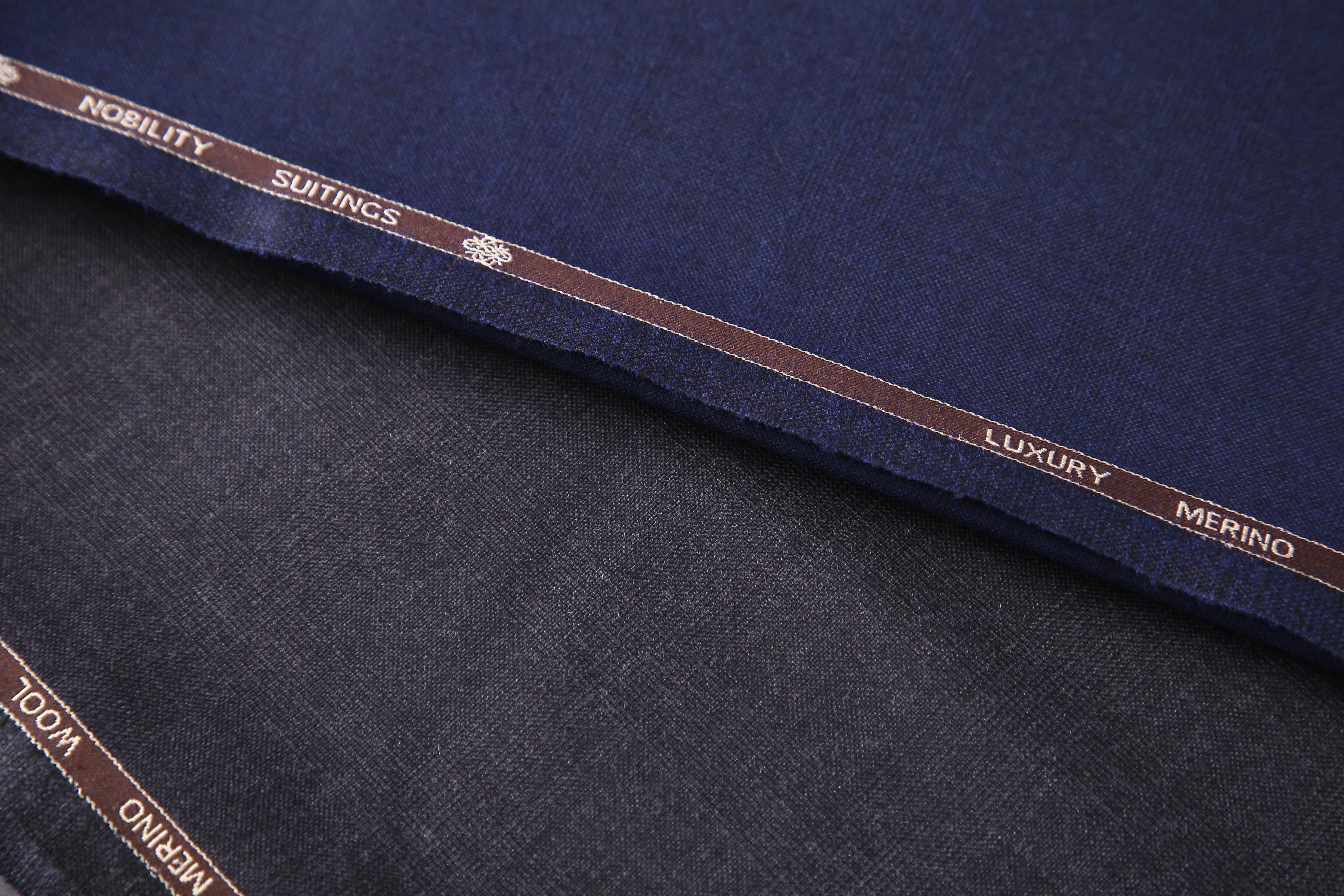
In the competitive landscape of men's formal wear, brands constantly seek materials that elevate their collections above market standards. Worsted wool fabric stands as the cornerstone of premium suiting, offering unparalleled quality, durability, and sophistication that discerning customers expect. This superior textile has transformed countless suit collections from ordinary to extraordinary, establishing brands as leaders in luxury menswear. Understanding the unique properties and benefits of worsted wool fabric enables fashion brands to make informed decisions that enhance their reputation and customer satisfaction. The investment in quality worsted wool fabric directly correlates with improved brand perception, increased customer loyalty, and higher profit margins across seasonal collections.
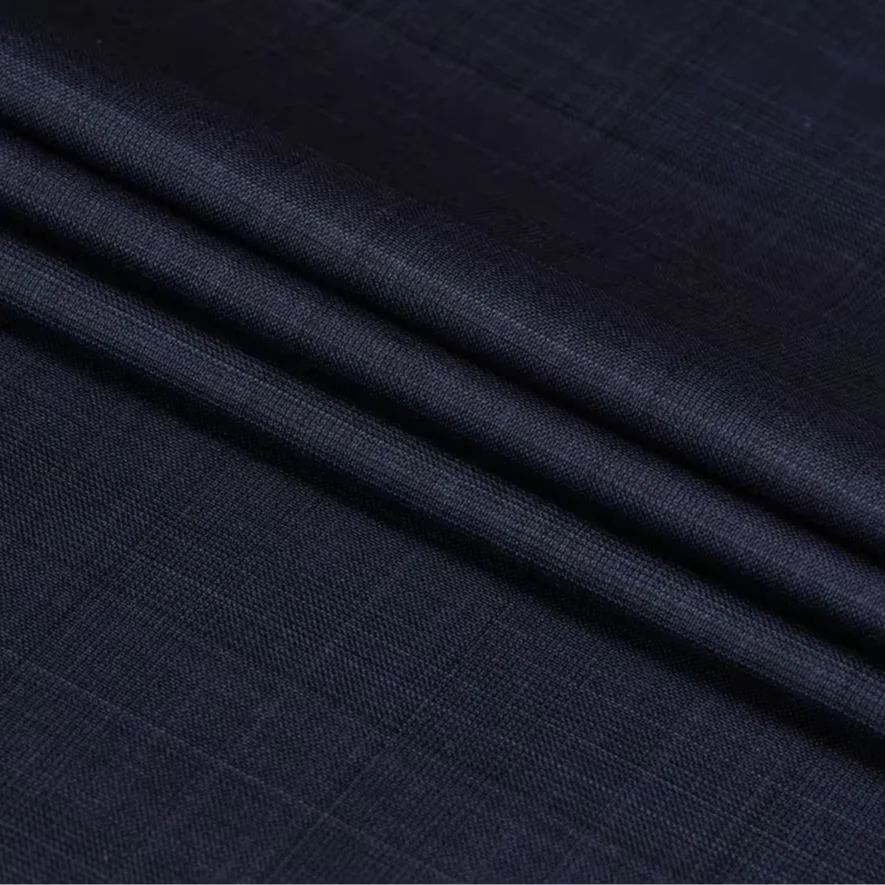
Understanding Worsted Wool Fabric Construction and Quality
Manufacturing Process Excellence
The production of worsted wool fabric involves a meticulous process that begins with selecting the finest wool fibers, typically sourced from premium sheep breeds. These long-staple fibers undergo combing to remove shorter fibers and align the remaining strands parallel to each other. This careful preparation creates the foundation for worsted wool fabric's characteristic smooth texture and lustrous appearance. The spinning process uses high-tension methods to produce strong, fine yarns that contribute to the fabric's durability and refined finish. Quality control measures throughout manufacturing ensure consistent thread count, weight, and weave structure that meet luxury standards.
Temperature and humidity controls during production maintain optimal conditions for worsted wool fabric development. Skilled artisans monitor every stage, from initial fiber selection through final finishing treatments. The weaving process employs precision machinery calibrated to create uniform tension across the fabric width. Post-weaving treatments including pressing, steaming, and brushing enhance the worsted wool fabric's natural properties while maintaining its structural integrity. These comprehensive manufacturing standards result in textiles that exceed industry benchmarks for quality and performance.
Fiber Quality and Sourcing Standards
Premium worsted wool fabric originates from carefully selected sheep breeds known for producing fine, long-staple wool. Australian Merino, British wool varieties, and specialized breeds from temperate climates provide the highest quality raw materials. Fiber diameter measurements typically range between 18-24 microns for luxury worsted wool fabric, ensuring exceptional softness and comfort against the skin. Seasonal timing of shearing affects fiber quality, with spring collections often featuring the finest wool harvested during optimal conditions. Sustainable sourcing practices increasingly influence worsted wool fabric selection, with brands prioritizing ethical suppliers and environmentally responsible farming methods.
Laboratory testing validates each batch of worsted wool fabric for tensile strength, colorfastness, and dimensional stability. These quality assessments guarantee consistent performance across production runs and seasonal variations. Traceability systems track wool from farm to finished fabric, enabling brands to verify authenticity and maintain quality standards. International grading systems provide standardized measurements for worsted wool fabric classification, helping manufacturers select appropriate materials for specific garment types. Advanced sorting technologies separate fibers by length and diameter, optimizing the blend composition for target fabric characteristics.
Performance Benefits for Suit Collections
Durability and Longevity Advantages
Professional suits crafted from worsted wool fabric demonstrate exceptional resistance to wear and deformation over extended use. The tightly woven structure prevents pilling and maintains fabric integrity through frequent wearing, cleaning, and pressing cycles. Stress points including shoulders, elbows, and seat areas retain their original shape and strength far longer than alternative materials. Quality worsted wool fabric exhibits excellent recovery properties, bouncing back from wrinkles and creases without permanent deformation. This resilience translates to lower replacement costs for customers and enhanced brand reputation for durability.
Laboratory wear testing demonstrates that suits made from premium worsted wool fabric maintain their appearance and structural integrity through hundreds of wear cycles. Abrasion resistance exceeds industry standards, particularly important for high-frequency professional garments. The natural elasticity of worsted wool fabric accommodates body movement while maintaining garment shape and fit. Proper care extends the lifespan of worsted wool fabric suits significantly beyond synthetic alternatives. Color retention properties ensure that deep, rich hues remain vibrant throughout the garment's extended service life.
Comfort and Wearability Features
Natural temperature regulation properties make worsted wool fabric ideal for year-round professional wear across varying climatic conditions. The fiber structure allows air circulation while providing insulation, maintaining comfortable body temperature throughout long workdays. Moisture-wicking capabilities draw perspiration away from the skin and allow evaporation through the fabric surface. Breathability characteristics prevent the clammy feeling associated with synthetic suit materials, enhancing wearer comfort during extended use. The natural antimicrobial properties of worsted wool fabric reduce odor retention, maintaining freshness between cleanings.
Drape qualities inherent in worsted wool fabric create flattering silhouettes that enhance the wearer's appearance and confidence. The fabric's weight and texture provide structure without stiffness, allowing natural movement while maintaining professional appearance. Tactile properties include a smooth, pleasant hand feel that reinforces quality perception. Hypoallergenic characteristics make worsted wool fabric suitable for individuals with sensitive skin conditions. Static resistance properties prevent fabric cling and maintain professional presentation throughout the day.
Brand Enhancement Through Premium Materials
Market Positioning and Customer Perception
Incorporating worsted wool fabric into suit collections immediately elevates brand positioning within the luxury menswear market segment. Discerning customers recognize quality textile construction and associate worsted wool fabric with prestigious brands and superior craftsmanship. Market research indicates that consumers willingly pay premium prices for garments featuring authentic worsted wool fabric composition. Brand differentiation becomes achievable through consistent use of high-quality materials that competitors may compromise to reduce costs. The reputation for quality materials attracts affluent customers seeking investment pieces rather than disposable fashion items.
Customer education about worsted wool fabric benefits creates informed buyers who appreciate value propositions beyond initial price considerations. Professional stylists and menswear consultants frequently recommend brands known for using premium worsted wool fabric in their collections. Word-of-mouth marketing amplifies when customers experience the superior performance and appearance of quality suits. Social media presence benefits from featuring the craftsmanship and materials quality inherent in worsted wool fabric construction. International market expansion becomes more feasible when brands establish reputations built on consistent material excellence.
Competitive Advantages in Retail Markets
Retail partnerships favor brands offering worsted wool fabric collections due to higher profit margins and customer satisfaction rates. Department stores and specialty menswear retailers actively seek suppliers providing consistent quality and reliable delivery schedules. Seasonal buying cycles accommodate worsted wool fabric availability, enabling strategic inventory planning and promotional activities. Private label opportunities expand when brands demonstrate expertise in worsted wool fabric selection and garment construction. Export markets value brands with established reputations for using authentic, high-quality materials in their manufacturing processes.
Inventory turnover rates improve when customers purchase multiple pieces from collections featuring worsted wool fabric construction. Return rates decrease significantly due to superior fit, durability, and customer satisfaction with fabric performance. Sales training materials highlighting worsted wool fabric benefits enable retail staff to effectively communicate value propositions to potential customers. Trunk shows and special events showcase the tactile qualities and visual appeal of worsted wool fabric to targeted customer segments. Digital marketing campaigns leverage the craftsmanship and heritage associated with traditional worsted wool fabric production methods.
Design Versatility and Collection Development
Seasonal Adaptability Options
Different weights and weaves of worsted wool fabric enable brands to develop comprehensive seasonal collections without compromising quality standards. Lightweight versions suitable for spring and summer maintain breathability while providing professional appearance requirements. Medium-weight worsted wool fabric serves as the foundation for transitional pieces worn during moderate weather conditions. Heavier constructions offer warmth and structure for fall and winter collections while maintaining the elegant drape characteristics. Year-round versatility allows customers to build coordinated wardrobes using complementary pieces from the same material family.
Color acceptance properties of worsted wool fabric accommodate diverse dyeing techniques and seasonal palette requirements. Deep, saturated colors achieve rich depth and complexity that enhance professional appearance standards. Subtle patterns including pinstripes, herringbone, and textured weaves add visual interest without overwhelming classic styling. Finishing treatments modify surface characteristics to create varied textures and performance attributes within the same base material. Technical innovations in worsted wool fabric production enable enhanced functionality while maintaining traditional aesthetic qualities.
Design Flexibility and Pattern Integration
The stable structure of worsted wool fabric supports complex pattern matching requirements essential for high-quality suit construction. Tailors appreciate the material's consistent behavior during cutting and sewing operations, reducing waste and construction time. Pressing and shaping processes work effectively with worsted wool fabric, enabling precise lapel rolls and shoulder shaping. Construction techniques including pad stitching and canvas attachment integrate seamlessly with worsted wool fabric properties. Advanced pattern layouts maximize yield efficiency while maintaining grain alignment critical for professional appearance.
Custom tailoring services benefit from worsted wool fabric's predictable behavior during fitting and alteration processes. Multiple fitting adjustments maintain fabric integrity without visible stress marks or distortion. Specialized construction techniques including hand-padded shoulders and floating canvases work optimally with quality worsted wool fabric. Details such as functional buttonholes, pick-stitched edges, and hand-finished seams complement the material's premium characteristics. Master tailors prefer working with worsted wool fabric due to its forgiveness during construction and exceptional finished appearance.
Cost-Benefit Analysis for Brand Investment
Initial Investment Considerations
While worsted wool fabric commands higher initial costs compared to synthetic alternatives, the long-term benefits justify the investment through improved brand reputation and customer loyalty. Bulk purchasing agreements with established mills reduce per-yard costs while ensuring consistent quality and delivery schedules. Inventory management strategies optimize cash flow by balancing seasonal demand patterns with production lead times. Quality control measures reduce rejection rates and manufacturing waste, improving overall cost efficiency. Partnership relationships with premium mills provide access to exclusive patterns and colorways that differentiate brand collections.
Financial planning must account for the longer production cycles associated with quality worsted wool fabric sourcing and manufacturing. Currency hedging strategies protect against fluctuations in international wool markets that affect raw material costs. Inventory carrying costs decrease due to slower obsolescence rates and consistent customer demand for classic styling. Working capital requirements balance against improved profit margins and premium pricing structures enabled by superior materials. Investment in worsted wool fabric inventory provides stability during economic uncertainties when customers seek value and durability.
Return on Investment Metrics
Customer retention rates improve significantly when brands consistently deliver suits made from quality worsted wool fabric. Lifetime customer value increases through repeat purchases and referral business generated by satisfaction with material performance. Premium pricing structures become sustainable when customers perceive clear value differences compared to lower-quality alternatives. Market share growth occurs as brands establish reputations for uncompromising material standards and construction quality. Profit margin expansion reflects customers' willingness to pay appropriate prices for authentic worsted wool fabric construction.
Brand valuation benefits from association with quality materials and traditional craftsmanship methods. International expansion opportunities increase when brands demonstrate consistent quality standards across all markets. Wholesale partnerships strengthen when retailers experience improved sell-through rates and customer satisfaction. License agreements and collaborations become more valuable when built upon established reputations for material excellence. Long-term business sustainability improves through customer loyalty and word-of-mouth marketing generated by superior product performance.
FAQ
What makes worsted wool fabric superior to other suit materials
Worsted wool fabric surpasses other materials through its unique manufacturing process that creates stronger, smoother, and more durable textiles. The combing and parallel alignment of long wool fibers produce fabrics with superior drape, resilience, and professional appearance. Natural properties including temperature regulation, moisture management, and antimicrobial resistance provide comfort advantages unavailable in synthetic alternatives. The longevity and value retention of worsted wool fabric suits make them cost-effective investments compared to frequently replaced lower-quality garments.
How does worsted wool fabric weight affect seasonal suitability
Different weights of worsted wool fabric accommodate various seasonal requirements while maintaining quality standards throughout the year. Lightweight versions ranging from 240-280 grams provide breathability for warm weather while preserving professional appearance. Medium weights between 300-340 grams offer versatility for transitional seasons and moderate climates. Heavier constructions above 350 grams deliver warmth and structure for winter collections without sacrificing the elegant drape characteristics inherent in quality worsted wool fabric construction.
What quality indicators should brands consider when selecting worsted wool fabric
Premium worsted wool fabric selection requires attention to fiber diameter, yarn twist, weave density, and finishing quality. Micron measurements between 18-24 indicate fine, soft fibers suitable for luxury garments. High yarn twist creates stronger, more lustrous threads that improve fabric durability and appearance. Consistent weave density ensures uniform drape and performance across the fabric width. Professional finishing treatments enhance natural properties while maintaining the authentic characteristics of quality worsted wool fabric.
How can brands effectively communicate worsted wool fabric benefits to customers
Effective communication emphasizes the tangible benefits customers experience through improved comfort, durability, and professional appearance. Educational materials should explain the manufacturing process that creates superior worsted wool fabric properties. Hands-on demonstrations allow customers to feel the difference in texture, weight, and drape compared to alternative materials. Case studies and testimonials from satisfied customers provide credible evidence of long-term value and performance. Visual marketing materials should showcase the elegant appearance and sophisticated styling possible with quality worsted wool fabric construction.