
 EN
EN
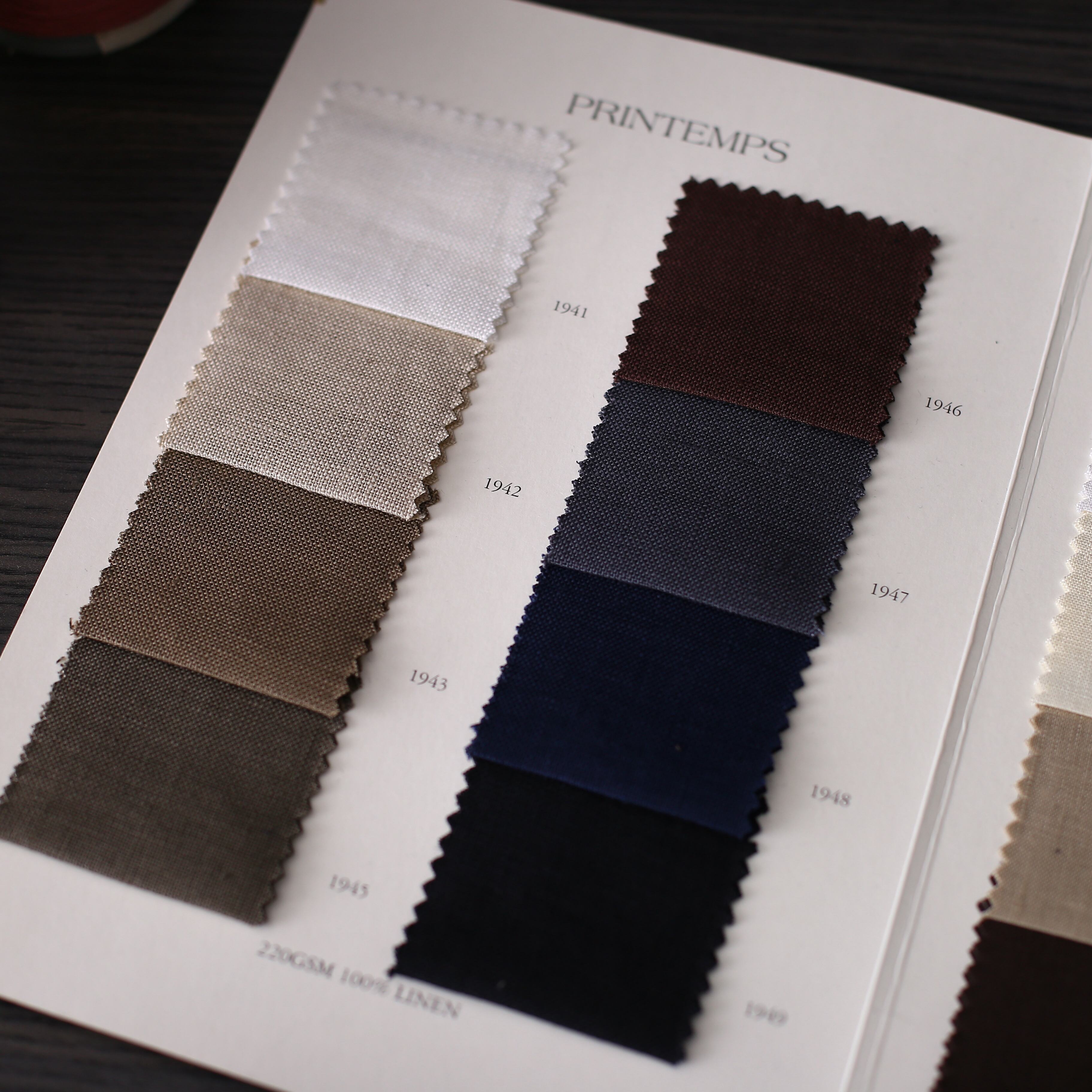
When procuring materials for large-scale textile operations, understanding the essential qualities of premium fabrics becomes paramount for business success. Buyers in the fashion, tailoring, and manufacturing industries must navigate complex decisions when sourcing high-quality materials. The textile market offers numerous options, yet discerning professionals recognize that worsted wool fabric represents one of the most versatile and enduring choices for bulk procurement. This comprehensive guide explores the critical factors that informed buyers should evaluate when making substantial fabric investments.
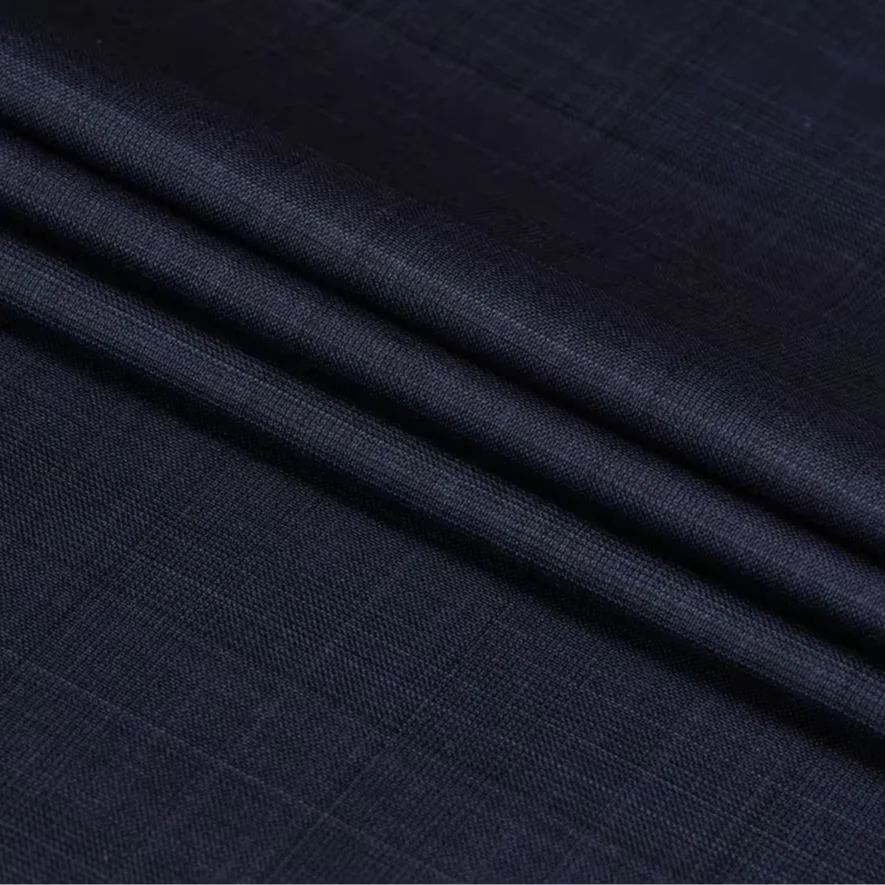
Understanding Fiber Quality and Construction Standards
Wool Grade Classifications and Their Impact
The foundation of exceptional worsted wool fabric begins with the raw material itself, where wool grade classifications directly influence final product quality. Professional buyers must examine the micron count, which measures individual fiber diameter and determines the fabric's softness, durability, and overall hand feel. Superior grades typically range from 18 to 22 microns, producing fabrics with exceptional drape and comfort characteristics. Understanding these classifications enables purchasers to align their procurement decisions with specific end-use requirements and target market expectations.
Staple length represents another crucial consideration, as longer fibers create stronger, more uniform yarns that enhance the final fabric's appearance and longevity. Quality worsted wool fabric utilizes fibers measuring at least 65-75mm in length, ensuring optimal spinning performance and reduced pilling tendencies. The crimping characteristics of the wool also affect the fabric's elasticity, recovery properties, and overall wearing comfort, making these technical specifications essential evaluation criteria for bulk buyers.
Construction Methods and Weave Integrity
The transformation from raw wool to finished fabric involves sophisticated construction processes that significantly impact the material's performance characteristics. Worsted spinning techniques remove shorter fibers and align longer ones parallel to create smooth, strong yarns with minimal fuzzing tendencies. This process produces fabrics with superior clarity of weave pattern, enhanced durability, and improved resistance to wear and distortion. Bulk purchasers should verify that suppliers utilize authentic worsted processing methods rather than semi-worsted or woolen alternatives.
Weave structure analysis reveals critical information about fabric stability, stretch properties, and aesthetic appeal. Traditional twill weaves offer excellent drape and wrinkle resistance, while plain weaves provide maximum stability and uniform appearance. The thread count and yarn tension during weaving directly influence the fabric's dimensional stability, shrinkage characteristics, and overall durability. Professional buyers must evaluate these construction elements to ensure consistent quality across large fabric orders.
Technical Specifications and Performance Metrics
Weight and Density Considerations
Fabric weight measurements provide essential insights into the material's suitability for specific applications and seasonal requirements. Worsted wool fabric weights typically range from 200 to 400 grams per square meter, with each weight category serving distinct purposes in garment construction. Lightweight options excel in spring and summer applications, while heavier variants provide warmth and structure for autumn and winter garments. Understanding weight specifications helps buyers match fabric characteristics to their intended end uses and customer preferences.
Density calculations complement weight measurements by revealing the compactness of the weave structure and predicting the fabric's durability under stress. Higher density fabrics generally offer superior dimensional stability and resistance to stretching, while maintaining the characteristic drape properties that make worsted wool fabric desirable for premium applications. Buyers should request detailed specifications including picks per inch and ends per inch to evaluate construction quality comprehensively.
Chemical Treatment and Finishing Processes
Modern textile finishing encompasses various chemical treatments that enhance fabric performance, appearance, and care characteristics. Anti-shrinkage treatments prevent dimensional changes during cleaning, while moth-proofing applications protect the fabric during storage and use. Water-repellent finishes can add functionality without compromising the natural breathability of worsted wool fabric. Buyers must understand these finishing options and their implications for end-use performance and care requirements.
Color fastness represents a critical quality parameter that affects the fabric's longevity and maintenance requirements. Professional-grade worsted wool fabric should demonstrate excellent resistance to fading from light exposure, washing, and dry cleaning processes. Testing certifications from recognized laboratories provide objective evidence of color stability, helping buyers make informed decisions about fabric suitability for their specific applications and quality standards.
Supply Chain and Vendor Evaluation Criteria
Manufacturing Capability Assessment
Evaluating potential suppliers requires comprehensive analysis of their manufacturing capabilities, quality control systems, and production capacity. Established worsted wool fabric manufacturers typically possess specialized equipment for combing, spinning, and weaving processes that ensure consistent quality outcomes. Buyers should investigate the supplier's machinery age, maintenance protocols, and technological capabilities to assess their ability to deliver large orders within specified timeframes and quality parameters.
Quality management systems provide insight into the supplier's commitment to consistent production standards and continuous improvement initiatives. ISO certifications, internal quality protocols, and testing procedures demonstrate professional manufacturing practices that reduce the risk of receiving substandard materials. Buyers should request documentation of quality control measures and visit manufacturing facilities when possible to verify operational capabilities firsthand.
Logistics and Delivery Considerations
Successful bulk procurement requires careful evaluation of logistics capabilities, including packaging methods, transportation options, and delivery scheduling. Proper packaging protects worsted wool fabric from moisture, contamination, and physical damage during transit, preserving material quality until it reaches the buyer's facility. Suppliers should utilize professional textile packaging standards with appropriate moisture barriers and protective wrapping materials.
Delivery scheduling flexibility becomes crucial when managing large textile operations with varying production demands. Reliable suppliers offer phased delivery options that align with buyer storage capacity and production schedules. Understanding lead times, minimum order quantities, and rush order capabilities helps buyers plan their procurement strategies effectively and maintain adequate inventory levels without excessive carrying costs.
Quality Control and Testing Protocols
Pre-Purchase Sampling and Evaluation
Comprehensive sampling programs enable buyers to evaluate worsted wool fabric quality before committing to large orders. Representative samples should undergo testing for dimensional stability, color fastness, abrasion resistance, and other relevant performance characteristics. Professional buyers typically request samples from multiple production batches to assess consistency and identify potential quality variations that could affect large orders.
Independent testing laboratories provide objective analysis of fabric properties using standardized testing methods recognized throughout the textile industry. These evaluations offer unbiased assessment of material quality and performance characteristics, enabling buyers to make informed decisions based on quantitative data rather than subjective impressions. Testing results also establish baseline quality standards for ongoing vendor relationships and quality monitoring programs.
Incoming Material Inspection Procedures
Establishing systematic inspection procedures for received materials protects buyers from quality issues that could disrupt production schedules or compromise end product quality. Visual inspection protocols should address fabric appearance, weave uniformity, and surface characteristics, while physical testing verifies dimensional stability, weight consistency, and construction specifications. Random sampling from different fabric rolls ensures quality consistency across entire orders.
Documentation of inspection results creates valuable quality records that support vendor performance evaluation and continuous improvement initiatives. Detailed records of fabric characteristics, test results, and performance observations enable buyers to identify trends, address quality issues proactively, and optimize their supplier relationships over time. This systematic approach to quality management reduces risks and improves overall procurement outcomes.
Cost Analysis and Value Optimization
Total Cost of Ownership Calculations
Effective procurement decisions require analysis beyond initial purchase price to encompass the total cost of ownership throughout the fabric's lifecycle. Transportation costs, customs duties, storage expenses, and quality-related risks all contribute to the true cost of worsted wool fabric procurement. Buyers should develop comprehensive cost models that account for these factors and enable accurate comparison between supplier options and procurement strategies.
Quality-related costs deserve particular attention, as inferior materials can generate significant downstream expenses through production delays, rework requirements, and customer satisfaction issues. Premium worsted wool fabric typically commands higher initial prices but often delivers superior value through enhanced durability, consistent performance, and reduced processing difficulties. Understanding these value relationships helps buyers optimize their procurement decisions and achieve better overall outcomes.
Market Pricing and Negotiation Strategies
Successful bulk procurement requires understanding market pricing dynamics and developing effective negotiation strategies that balance cost optimization with quality requirements. Seasonal demand patterns, raw material price fluctuations, and capacity utilization rates all influence fabric pricing in the global textile market. Informed buyers monitor these factors and time their purchases to take advantage of favorable market conditions.
Long-term supplier relationships often provide opportunities for improved pricing, enhanced service levels, and preferential treatment during periods of high demand. Building these relationships requires consistent ordering patterns, timely payments, and collaborative problem-solving approaches that benefit both parties. Strategic buyers invest in supplier partnerships that deliver sustained value beyond simple transactional relationships.
FAQ
What minimum order quantities should buyers expect when purchasing worsted wool fabric in bulk
Most professional worsted wool fabric suppliers require minimum orders ranging from 500 to 2000 meters per color and pattern combination. These quantities reflect the efficiency requirements of modern textile manufacturing processes and ensure cost-effective production for both suppliers and buyers. Larger orders typically qualify for better pricing structures and more flexible delivery options.
How can buyers verify the authenticity of worsted wool fabric claims
Authentication requires examination of fiber content labels, yarn construction characteristics, and supplier certifications from recognized textile organizations. Professional testing laboratories can perform microscopic analysis and chemical testing to verify wool content and confirm worsted processing methods. Reputable suppliers willingly provide detailed specifications and testing documentation to support their product claims.
What storage conditions are necessary to maintain worsted wool fabric quality during extended periods
Proper storage requires climate-controlled environments with stable temperature and humidity levels, typically 65-70°F with 50-60% relative humidity. Fabrics should remain on rolls or properly folded to prevent creasing, with adequate air circulation and protection from direct sunlight. Moth prevention measures and regular inventory rotation help maintain fabric quality during extended storage periods.
How do seasonal factors affect worsted wool fabric availability and pricing
Seasonal demand patterns significantly influence both availability and pricing, with peak demand occurring during late summer and early fall as manufacturers prepare for autumn and winter collections. Strategic buyers often place orders during off-peak periods to secure better pricing and ensure adequate lead times. Raw material harvesting cycles and manufacturing schedules also create seasonal variations in product availability and delivery timelines.
Table of Contents
- Understanding Fiber Quality and Construction Standards
- Technical Specifications and Performance Metrics
- Supply Chain and Vendor Evaluation Criteria
- Quality Control and Testing Protocols
- Cost Analysis and Value Optimization
-
FAQ
- What minimum order quantities should buyers expect when purchasing worsted wool fabric in bulk
- How can buyers verify the authenticity of worsted wool fabric claims
- What storage conditions are necessary to maintain worsted wool fabric quality during extended periods
- How do seasonal factors affect worsted wool fabric availability and pricing