 EN
EN
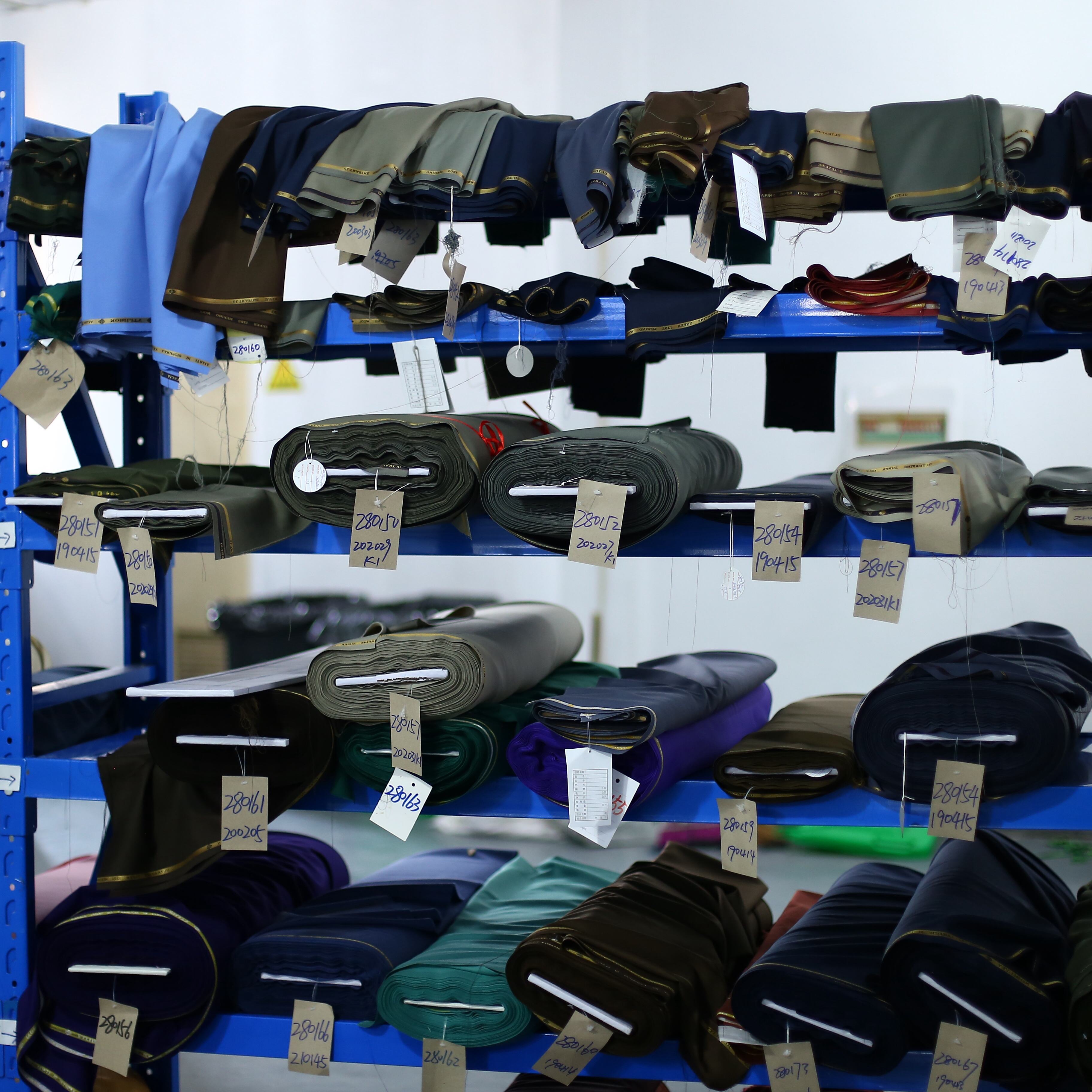
Selecting the right wool blend fabric supplier is a critical decision that can significantly impact your textile business operations, product quality, and customer satisfaction. The global textile industry relies heavily on consistent, high-quality materials, and wool blend fabric continues to be one of the most sought-after materials for garments, upholstery, and industrial applications. Understanding the key factors that differentiate exceptional suppliers from mediocre ones will help you make informed decisions that support your business growth and reputation in the market.
Quality Standards and Material Composition
Fiber Content Verification and Testing
When evaluating potential suppliers, the accuracy of fiber content declarations becomes paramount for wool blend fabric procurement. Reputable suppliers provide detailed specifications about the exact percentages of wool, synthetic fibers, and other materials used in their blends. This transparency allows you to verify that the wool blend fabric meets your specific requirements and industry standards. Look for suppliers who offer third-party testing certificates and maintain consistent quality control processes throughout their production cycles.
Quality testing should encompass multiple aspects including tensile strength, colorfastness, shrinkage rates, and pilling resistance. Professional suppliers invest in advanced testing equipment and maintain relationships with certified laboratories to ensure their wool blend fabric consistently meets or exceeds industry benchmarks. These testing protocols should be documented and available for review, providing you with confidence in the material's performance characteristics.
Manufacturing Process Transparency
Understanding the manufacturing processes employed by your wool blend fabric supplier reveals important insights about quality consistency and production capabilities. Suppliers who utilize modern weaving technology, controlled dyeing processes, and quality management systems typically deliver more reliable products. The integration of sustainable practices in manufacturing also reflects a supplier's commitment to environmental responsibility and long-term industry viability.
Advanced manufacturing facilities often incorporate automated quality control systems that monitor wool blend fabric production in real-time. These systems detect variations in weight, thickness, color consistency, and structural integrity, ensuring that each batch meets predetermined specifications. Suppliers with transparent manufacturing processes are typically more willing to discuss their production methods and allow facility visits for quality assessment.
Supply Chain Reliability and Logistics
Production Capacity and Scalability
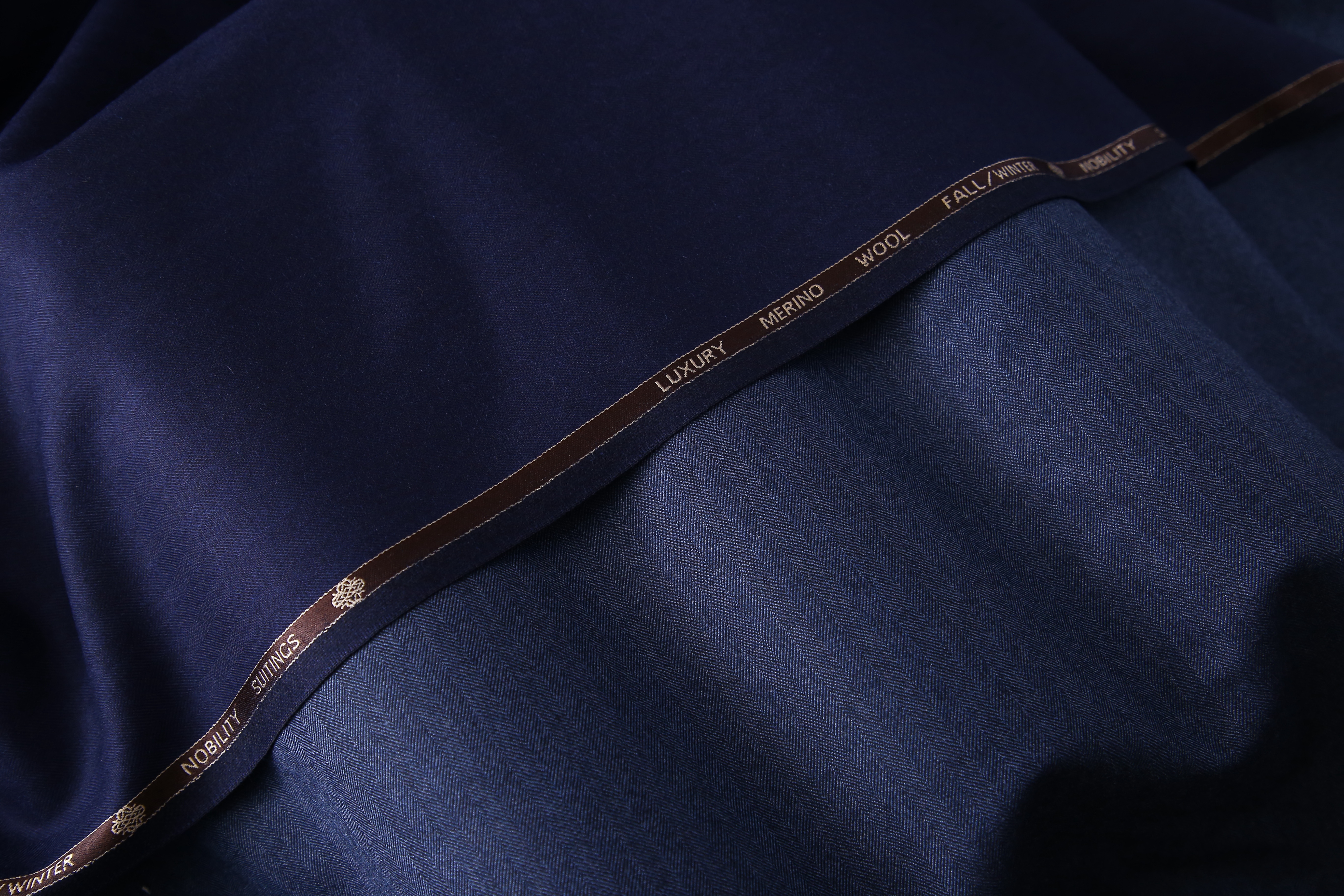
Assessing a supplier's production capacity ensures they can meet your current and future wool blend fabric requirements without compromising quality or delivery schedules. Established suppliers maintain detailed production planning systems that account for seasonal variations, raw material availability, and market demand fluctuations. This planning capability translates into more predictable delivery schedules and consistent product availability for your business operations.
Scalability becomes particularly important as your business grows or when you need to accommodate large orders or rush deliveries. Suppliers with flexible production systems can adjust their output levels while maintaining quality standards, providing you with the agility needed to respond to market opportunities. Evaluate whether potential suppliers have invested in expandable infrastructure and maintain relationships with multiple raw material sources to support increased production volumes.
Geographic Considerations and Shipping
The geographic location of your wool blend fabric supplier affects shipping costs, delivery times, and supply chain risk management. Suppliers located closer to your operations typically offer faster delivery times and lower transportation costs, but may have limited production capacity or higher labor costs. International suppliers might provide cost advantages and specialized products but introduce additional complexities related to customs, currency fluctuations, and longer lead times.
Consider suppliers who have established logistics networks and partnerships with reliable shipping companies. These relationships often result in better freight rates, more predictable transit times, and improved handling of your wool blend fabric shipments. Suppliers with experience in international trade understand documentation requirements, packaging standards, and insurance considerations that protect your investment during transportation.
Technical Support and Customization Capabilities
Product Development Collaboration
Leading wool blend fabric suppliers offer technical expertise that extends beyond basic material supply to include product development support and customization services. This collaboration can involve developing specific fiber blends, custom colors, unique finishes, or specialized weave patterns that differentiate your products in the marketplace. Suppliers with strong technical teams can provide valuable insights about material performance, application suitability, and processing requirements.
The ability to work closely with suppliers on product development creates opportunities for innovation and competitive advantage. Experienced suppliers understand market trends, emerging technologies, and consumer preferences that influence wool blend fabric specifications. This knowledge can help you anticipate market demands and develop products that meet evolving customer expectations.
Quality Assurance and Problem Resolution
Effective quality assurance programs demonstrate a supplier's commitment to delivering consistent wool blend fabric that meets your specifications. Look for suppliers who implement comprehensive quality control measures throughout their production processes, from raw material inspection to final product testing. These measures should include statistical process control, regular audits, and continuous improvement initiatives that enhance product quality over time.
Problem resolution capabilities become critical when quality issues arise or when you need urgent support for production challenges. Responsive suppliers maintain dedicated customer service teams who understand technical specifications and can quickly address concerns. They should have established procedures for handling quality complaints, processing returns, and implementing corrective actions to prevent recurring issues with wool blend fabric deliveries.
Financial Considerations and Contract Terms
Pricing Structure and Value Assessment
While price remains an important factor in supplier selection, evaluating the total value proposition provides a more comprehensive assessment of potential wool blend fabric suppliers. Consider factors such as quality consistency, technical support, delivery reliability, and service levels when comparing pricing from different suppliers. The lowest price option may not provide the best value if it results in quality problems, delivery delays, or inadequate customer service.
Transparent pricing structures help you understand how costs are calculated and identify opportunities for optimization. Suppliers who provide detailed cost breakdowns for materials, processing, packaging, and logistics enable better budget planning and cost management. Volume discounts, early payment terms, and long-term contract benefits can significantly impact the total cost of wool blend fabric procurement over time.
Payment Terms and Financial Stability
Flexible payment terms can improve cash flow management and reduce financial risk in your wool blend fabric procurement activities. Established suppliers often offer various payment options including credit terms, milestone payments, and financing arrangements that align with your business requirements. However, ensure that favorable payment terms don't compromise the supplier's financial stability or their ability to maintain consistent operations.
Evaluating a supplier's financial stability protects your business from supply disruptions caused by financial difficulties. Request financial statements, credit references, and industry ratings to assess the long-term viability of potential wool blend fabric suppliers. Suppliers with strong financial foundations are more likely to invest in quality improvements, maintain adequate inventory levels, and honor contractual commitments during challenging market conditions.
Sustainability and Compliance Standards
Environmental Responsibility
Sustainability considerations increasingly influence supplier selection decisions as consumers and regulatory bodies demand more environmentally responsible practices. Wool blend fabric suppliers who implement sustainable manufacturing processes, use eco-friendly chemicals, and minimize waste generation align with growing market expectations for environmental stewardship. These practices often translate into better long-term cost management and reduced regulatory compliance risks.
Look for suppliers who maintain environmental certifications such as OEKO-TEX, GOTS, or similar standards that verify sustainable practices in wool blend fabric production. These certifications provide independent validation of environmental claims and demonstrate commitment to continuous improvement in sustainability performance. Suppliers with comprehensive sustainability programs often provide detailed reporting on their environmental impact and improvement initiatives.
Regulatory Compliance and Standards
Compliance with industry standards and regulatory requirements protects your business from legal risks and ensures that wool blend fabric meets applicable safety and performance standards. Suppliers should maintain certifications relevant to your target markets and applications, including safety standards for different end uses such as apparel, furniture, or industrial applications.
International suppliers must demonstrate compliance with import/export regulations, trade agreements, and documentation requirements that affect wool blend fabric shipments. Suppliers with experience in regulatory compliance understand the documentation needed for customs clearance, product labeling requirements, and testing standards that apply to different markets. This expertise reduces the administrative burden on your business and minimizes the risk of shipment delays or regulatory issues.
Long-term Partnership Potential
Communication and Relationship Management
Effective communication forms the foundation of successful long-term relationships with wool blend fabric suppliers. Evaluate how potential suppliers handle initial inquiries, provide technical information, and respond to questions about their products and services. Suppliers who demonstrate clear communication, technical competence, and customer focus during the evaluation process typically maintain these qualities throughout ongoing business relationships.
Consider the supplier's approach to relationship management and their willingness to invest in understanding your business requirements. The best wool blend fabric suppliers take time to learn about your applications, quality standards, and market challenges, enabling them to provide more targeted solutions and proactive support. This partnership approach often results in better problem-solving, innovation opportunities, and mutual business growth.
Innovation and Market Adaptation
The textile industry continues to evolve with new technologies, changing consumer preferences, and emerging market opportunities. Wool blend fabric suppliers who invest in research and development, monitor market trends, and adapt their product offerings provide better long-term value for your business. These suppliers can help you stay competitive by offering new materials, improved performance characteristics, and innovative solutions for emerging applications.
Look for suppliers who participate in industry associations, attend trade shows, and maintain awareness of technological developments that affect wool blend fabric manufacturing and applications. Their market knowledge and innovation capabilities can provide valuable insights for your product development and market positioning strategies. Suppliers who embrace innovation are more likely to remain competitive and continue providing value as your business evolves.
FAQ
How can I verify the quality consistency of a wool blend fabric supplier
Quality consistency verification requires a multi-faceted approach including requesting sample batches from different production runs, reviewing quality control documentation, and checking references from current customers. Request detailed specifications for the wool blend fabric including fiber content, weight, dimensional stability, and performance characteristics. Establish quality agreements that define acceptable tolerances and testing procedures, ensuring both parties understand quality expectations and measurement methods.
What minimum order quantities should I expect from wool blend fabric suppliers
Minimum order quantities vary significantly based on the supplier's production capabilities, customization requirements, and business model. Standard wool blend fabric products typically have lower minimum orders ranging from 100 to 1000 meters, while custom specifications may require minimums of 2000 meters or more. Discuss your typical order volumes with potential suppliers to ensure their minimum requirements align with your business needs and inventory management strategies.
How important is supplier location when selecting a wool blend fabric provider
Supplier location affects multiple aspects of your business relationship including shipping costs, delivery times, communication efficiency, and supply chain risk management. Local suppliers offer advantages in terms of faster delivery, easier quality control visits, and reduced transportation costs, but may have limited capacity or higher production costs. International suppliers can provide cost advantages and specialized products but introduce complexities related to customs, currency fluctuations, and longer lead times that must be carefully managed.
What certifications should I look for in a wool blend fabric supplier
Key certifications to consider include OEKO-TEX Standard 100 for textile safety, ISO 9001 for quality management systems, and environmental certifications such as GOTS or Cradle to Cradle for sustainable practices. Industry-specific certifications may be required depending on your target applications, such as flame retardancy standards for upholstery or specific performance standards for technical textiles. Verify that certifications are current and issued by recognized certification bodies to ensure their validity and market acceptance.
Table of Contents
- Quality Standards and Material Composition
- Supply Chain Reliability and Logistics
- Technical Support and Customization Capabilities
- Financial Considerations and Contract Terms
- Sustainability and Compliance Standards
- Long-term Partnership Potential
-
FAQ
- How can I verify the quality consistency of a wool blend fabric supplier
- What minimum order quantities should I expect from wool blend fabric suppliers
- How important is supplier location when selecting a wool blend fabric provider
- What certifications should I look for in a wool blend fabric supplier