
 EN
EN
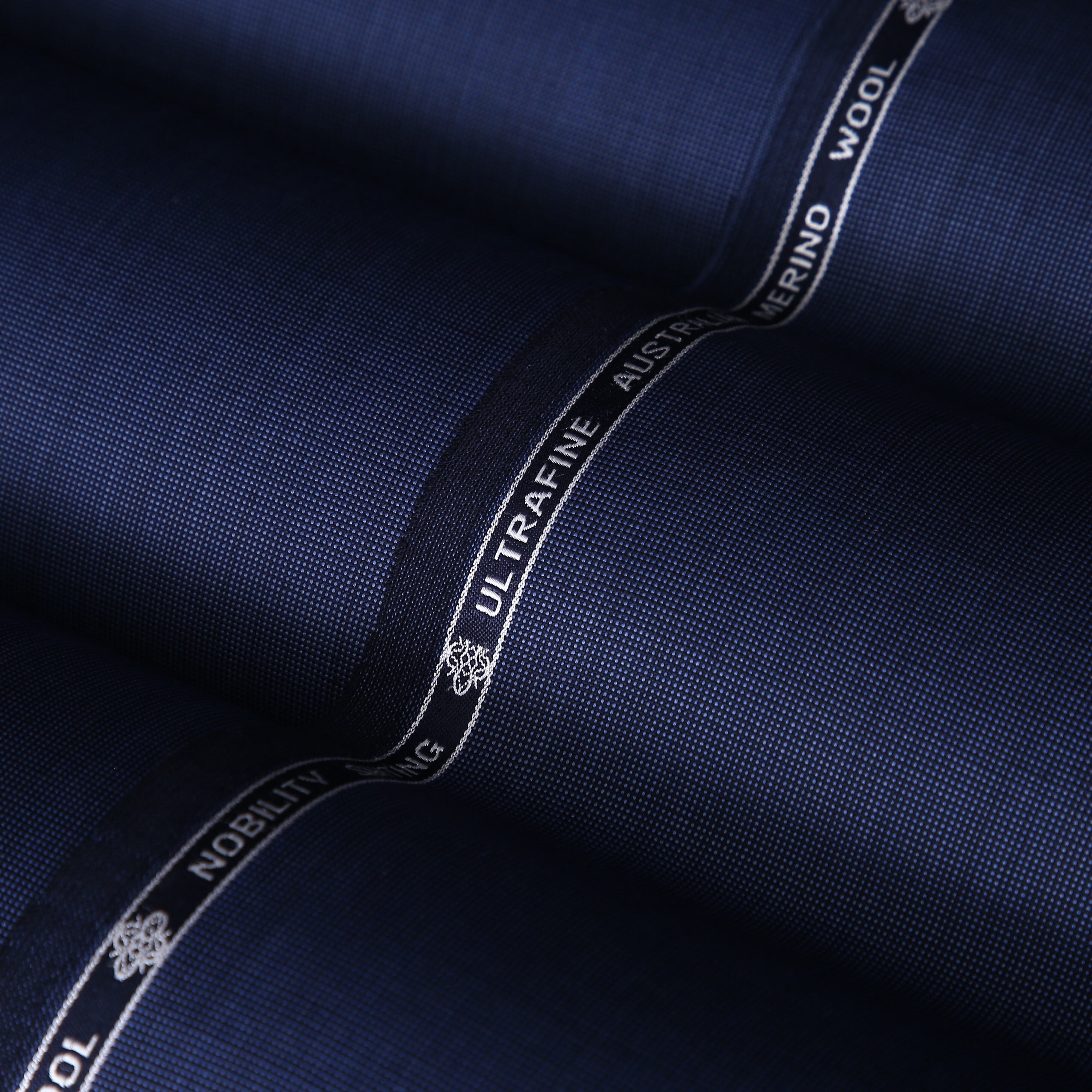
When sourcing textiles for commercial applications, buyers often face the challenging decision of balancing cost-effectiveness with quality standards. This dilemma becomes particularly complex when dealing with wool blend fabrics, which combine natural wool fibers with synthetic materials to create versatile textiles suitable for various industrial and consumer applications. Understanding the key factors that influence both price and performance is essential for making informed purchasing decisions that align with your specific requirements and budget constraints.
The textile industry has witnessed significant evolution in recent decades, with manufacturers developing sophisticated blending techniques that enhance the performance characteristics of wool blend fabrics while maintaining competitive pricing. These advances have created opportunities for businesses to access high-quality materials without compromising their operational budgets. However, navigating the complex landscape of fabric specifications, supplier capabilities, and market pricing requires a systematic approach to evaluation and procurement.
Modern wool blend fabrics serve diverse applications across multiple industries, from fashion and apparel manufacturing to interior design and automotive upholstery. The versatility of these materials stems from their ability to combine wool's natural properties with the durability and cost-effectiveness of synthetic fibers. This combination results in fabrics that offer improved dimensional stability, enhanced wear resistance, and easier care requirements compared to pure wool alternatives.
Understanding Wool Blend Fabric Composition and Quality Indicators
Fiber Ratio Analysis and Performance Impact
The composition ratio between wool and synthetic fibers significantly influences both the quality and cost of wool blend fabrics. Common blends include wool-polyester combinations ranging from 30/70 to 70/30 ratios, each offering distinct advantages for specific applications. Higher wool content typically translates to superior comfort, breathability, and natural temperature regulation, while increased synthetic content enhances durability, wrinkle resistance, and cost-effectiveness.
Quality assessment begins with understanding how fiber ratios affect fabric characteristics. Wool blend fabrics with 50% or higher wool content generally maintain the natural fiber's inherent benefits while gaining synthetic fiber advantages. These blends often demonstrate improved dimensional stability during washing and reduced shrinkage compared to pure wool fabrics. The synthetic component also contributes to enhanced color retention and resistance to pilling, making these fabrics suitable for high-usage applications.
Manufacturing processes play a crucial role in determining the final quality of wool blend fabrics. Advanced spinning techniques ensure proper fiber integration, preventing separation during use and washing. Quality manufacturers employ controlled blending methods that distribute fibers evenly throughout the yarn structure, resulting in consistent fabric properties and appearance. This attention to manufacturing detail directly correlates with fabric longevity and performance consistency.
Evaluating Fabric Weight and Construction Methods
Fabric weight serves as a fundamental quality indicator for wool blend fabrics, typically measured in grams per square meter or ounces per square yard. Heavier fabrics generally offer greater durability and thermal insulation but may require higher material costs. Understanding the relationship between weight, construction method, and intended application helps buyers select appropriate specifications without over-engineering their requirements.
Construction techniques such as twill, plain weave, or knitted structures significantly impact both fabric performance and manufacturing costs. Twill weaves, commonly used in suiting applications, provide excellent drape characteristics and durability while maintaining reasonable production costs. Plain weave constructions offer maximum strength and stability, making them suitable for heavy-duty applications where longevity outweighs other considerations.
Modern manufacturing capabilities allow for customization of fabric specifications to meet specific performance requirements. Buyers can work with suppliers to optimize fiber ratios, adjust fabric weights, and select construction methods that balance performance needs with budget constraints. This collaborative approach often results in better value propositions compared to purchasing standard catalog items that may include unnecessary features.
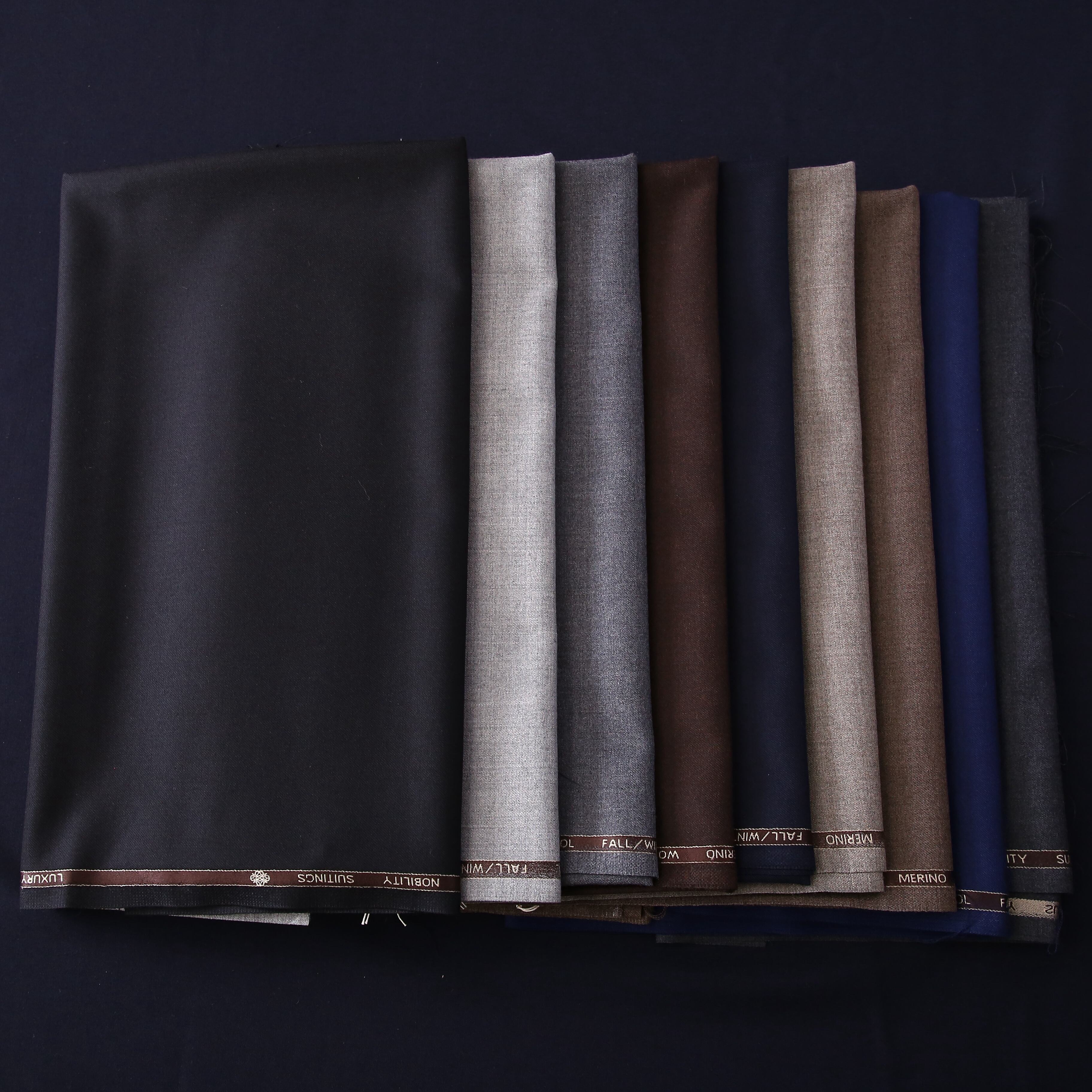
Cost Structure Analysis in Wool Blend Fabric Procurement
Raw Material Pricing Factors and Market Dynamics
Understanding the cost components of wool blend fabrics enables buyers to make informed decisions about quality-to-price ratios. Raw material costs typically represent 60-70% of the final fabric price, with wool prices fluctuating based on global supply conditions, seasonal demand patterns, and quality grades. Premium wool grades command higher prices but offer superior performance characteristics that may justify the additional investment for specific applications.
Synthetic fiber costs remain relatively stable compared to natural fibers, providing predictable pricing for the synthetic component of wool blend fabrics. However, petroleum-based synthetic fibers can experience price volatility due to energy market fluctuations. Buyers should consider these market dynamics when planning procurement schedules and budget allocations, particularly for large-volume purchases or long-term supply agreements.
Geographic factors also influence material costs, with transportation, import duties, and regional manufacturing capabilities affecting final pricing. Sourcing from established textile manufacturing regions may offer cost advantages through economies of scale and specialized expertise. However, buyers must balance these potential savings against quality standards, delivery timelines, and supply chain reliability considerations.
Volume Considerations and Supplier Relationship Management
Purchase volume significantly impacts unit costs for wool blend fabrics, with larger orders typically qualifying for improved pricing structures and customization options. Suppliers often offer tiered pricing based on annual volume commitments, providing opportunities for buyers to secure better rates while ensuring consistent supply availability. These volume relationships can result in 10-25% cost reductions compared to spot market purchases.
Establishing strategic supplier partnerships enables collaborative development of fabric specifications that optimize both quality and cost objectives. Experienced suppliers can recommend alternative fiber combinations, construction methods, or finishing processes that achieve desired performance characteristics at reduced costs. These partnerships often lead to innovation opportunities that benefit both parties through improved products and operational efficiencies.
Long-term supply agreements provide stability for both buyers and suppliers, enabling better production planning and inventory management. These arrangements can include price protection mechanisms, quality guarantees, and delivery schedule optimization. Buyers benefit from predictable costs and assured supply, while suppliers gain order visibility that supports efficient capacity utilization and resource allocation.
Quality Assessment Methodologies and Testing Standards
Physical Testing Protocols for Fabric Evaluation
Comprehensive quality assessment of wool blend fabrics requires systematic testing protocols that evaluate key performance characteristics. Standard tests include tensile strength measurements, abrasion resistance evaluation, dimensional stability assessment, and color fastness verification. These tests provide objective data for comparing different fabric options and validating supplier quality claims.
Tensile strength testing measures fabric resistance to tearing and stretching forces, crucial for applications requiring durability under stress. Wool blend fabrics typically demonstrate superior tensile properties compared to pure synthetic alternatives while maintaining better flexibility than pure wool options. Understanding these strength characteristics helps buyers select appropriate fabric specifications for their intended applications.
Dimensional stability testing evaluates fabric behavior during washing, steaming, and general use conditions. High-quality wool blend fabrics should maintain their original dimensions within acceptable tolerances after standard care procedures. This characteristic directly impacts product longevity and customer satisfaction, making it a critical quality indicator for most commercial applications.
Visual and Tactile Quality Indicators
Visual inspection provides immediate insights into fabric quality through assessment of surface uniformity, color consistency, and construction regularity. Quality wool blend fabrics exhibit even texture distribution, consistent coloration across the fabric width, and minimal surface irregularities. These visual indicators often correlate with manufacturing quality control standards and material handling practices.
Tactile evaluation assesses fabric hand feel, drape characteristics, and surface texture quality. Experienced buyers can identify fabric quality differences through touch, evaluating factors such as fiber integration, surface smoothness, and fabric body. These subjective assessments complement objective testing data to provide comprehensive quality evaluation frameworks.
Consistency between fabric samples and production runs indicates reliable manufacturing processes and quality control systems. Buyers should request multiple samples from different production lots to verify consistency levels. Significant variations may indicate quality control issues or material sourcing inconsistencies that could affect final product performance.
Supplier Evaluation and Selection Criteria
Manufacturing Capability Assessment
Evaluating supplier manufacturing capabilities ensures alignment between production capacity and quality requirements for wool blend fabrics. Key assessment factors include equipment sophistication, quality control systems, technical expertise, and production flexibility. Suppliers with modern equipment and robust quality management systems typically deliver more consistent results and can accommodate custom specifications more effectively.
Technical expertise encompasses both fabric engineering knowledge and application understanding. Suppliers who understand end-use requirements can recommend optimizations that improve performance while managing costs. This expertise becomes particularly valuable when developing custom fabric specifications or adapting standard products for specific applications.
Production flexibility affects supplier ability to accommodate varying order quantities, delivery schedules, and specification changes. Flexible suppliers can support business growth and changing requirements more effectively than those with rigid production systems. This capability becomes increasingly important as market demands evolve and customization requirements increase.
Quality Management and Certification Standards
Quality management systems provide frameworks for consistent production and continuous improvement in wool blend fabrics manufacturing. Suppliers with ISO 9001 certification or equivalent quality management standards typically demonstrate commitment to systematic quality control and customer satisfaction. These certifications indicate structured approaches to process management, documentation, and corrective action implementation.
Environmental and social responsibility certifications reflect supplier commitment to sustainable practices and ethical operations. These considerations increasingly influence purchasing decisions as companies prioritize responsible sourcing. Certifications such as OEKO-TEX, GOTS, or similar standards provide assurance regarding environmental impact and worker welfare conditions.
Traceability systems enable tracking of materials and processes throughout the supply chain, supporting quality investigations and compliance verification. Suppliers with robust traceability capabilities can quickly identify and address quality issues while providing documentation for regulatory compliance or customer audits. This capability becomes particularly important for applications with strict quality or regulatory requirements.
Cost Optimization Strategies Without Compromising Quality
Specification Optimization and Alternative Solutions
Optimizing fabric specifications involves identifying the minimum performance requirements that satisfy application needs without over-specifying costly features. This process requires careful analysis of actual usage conditions, performance expectations, and acceptable quality levels. By eliminating unnecessary specifications, buyers can achieve significant cost savings while maintaining adequate performance for their specific applications.
Alternative fiber combinations may provide equivalent performance at reduced costs compared to traditional wool blend fabrics compositions. Modern synthetic fibers offer improved properties that can substitute for higher wool content in certain applications. Working with knowledgeable suppliers to explore these alternatives can reveal cost-effective solutions that meet performance requirements without sacrificing quality standards.
Timing procurement activities to align with market conditions and supplier production schedules can yield cost advantages. Off-season purchasing, consolidated ordering, and flexible delivery schedules often enable suppliers to offer improved pricing. Understanding supplier capacity utilization patterns and market cycles helps buyers optimize their procurement timing for maximum cost effectiveness.
Value Engineering and Process Optimization
Value engineering approaches examine the relationship between fabric features, manufacturing processes, and end-use performance to identify optimization opportunities. This methodology can reveal alternative processing methods, finishing techniques, or construction approaches that deliver equivalent functionality at reduced costs. Collaborative value engineering sessions with suppliers often generate innovative solutions that benefit both parties.
Process standardization across multiple product lines or applications can generate economies of scale that reduce unit costs for wool blend fabrics. Standardizing on common fabric weights, widths, or color ranges enables suppliers to achieve better material utilization and production efficiency. These efficiencies translate into cost savings that can be shared between buyers and suppliers.
Supply chain optimization involves evaluating the entire procurement and delivery process to identify efficiency improvements. Consolidating shipments, optimizing inventory levels, and streamlining administrative processes can reduce total cost of ownership beyond the initial fabric purchase price. These optimizations often provide ongoing savings that compound over time.
FAQ
What is the optimal wool-to-synthetic ratio for balancing cost and quality in blend fabrics
The optimal ratio depends on specific application requirements, but 50/50 wool-polyester blends often provide the best balance of natural fiber benefits and cost-effectiveness. For most commercial applications, ratios between 40/60 and 60/40 wool-to-synthetic content deliver excellent performance while maintaining reasonable costs. Higher wool content improves comfort and breathability but increases material costs, while higher synthetic content enhances durability and reduces price but may compromise some natural fiber characteristics.
How can buyers verify fabric quality claims made by suppliers
Buyers should request detailed test reports from accredited laboratories covering key performance parameters such as tensile strength, abrasion resistance, dimensional stability, and color fastness. Independent third-party testing provides objective verification of supplier claims. Additionally, requesting samples from multiple production lots helps assess consistency, while visiting supplier facilities enables direct evaluation of manufacturing processes and quality control systems.
What factors should be considered when evaluating long-term supplier partnerships for wool blend fabrics
Key evaluation factors include manufacturing capability consistency, financial stability, technical innovation capacity, and quality management systems. Suppliers should demonstrate ability to scale production, maintain quality standards across varying order volumes, and adapt to changing requirements. Additionally, consider geographic location for logistics efficiency, regulatory compliance capabilities, and alignment with sustainability objectives. Strong communication capabilities and responsiveness to issues are also critical for successful long-term partnerships.
How do seasonal market fluctuations affect wool blend fabric pricing and procurement strategies
Wool prices typically follow seasonal patterns with higher prices during spring months due to increased demand from clothing manufacturers preparing for fall collections. Strategic buyers can time purchases during lower-demand periods to achieve better pricing. However, synthetic fiber costs remain more stable year-round. Consider implementing flexible procurement strategies that include forward contracts during favorable pricing periods, inventory optimization to balance carrying costs against price volatility, and supplier partnerships that provide price visibility and protection mechanisms.
Table of Contents
- Understanding Wool Blend Fabric Composition and Quality Indicators
- Cost Structure Analysis in Wool Blend Fabric Procurement
- Quality Assessment Methodologies and Testing Standards
- Supplier Evaluation and Selection Criteria
- Cost Optimization Strategies Without Compromising Quality
-
FAQ
- What is the optimal wool-to-synthetic ratio for balancing cost and quality in blend fabrics
- How can buyers verify fabric quality claims made by suppliers
- What factors should be considered when evaluating long-term supplier partnerships for wool blend fabrics
- How do seasonal market fluctuations affect wool blend fabric pricing and procurement strategies