
 EN
EN
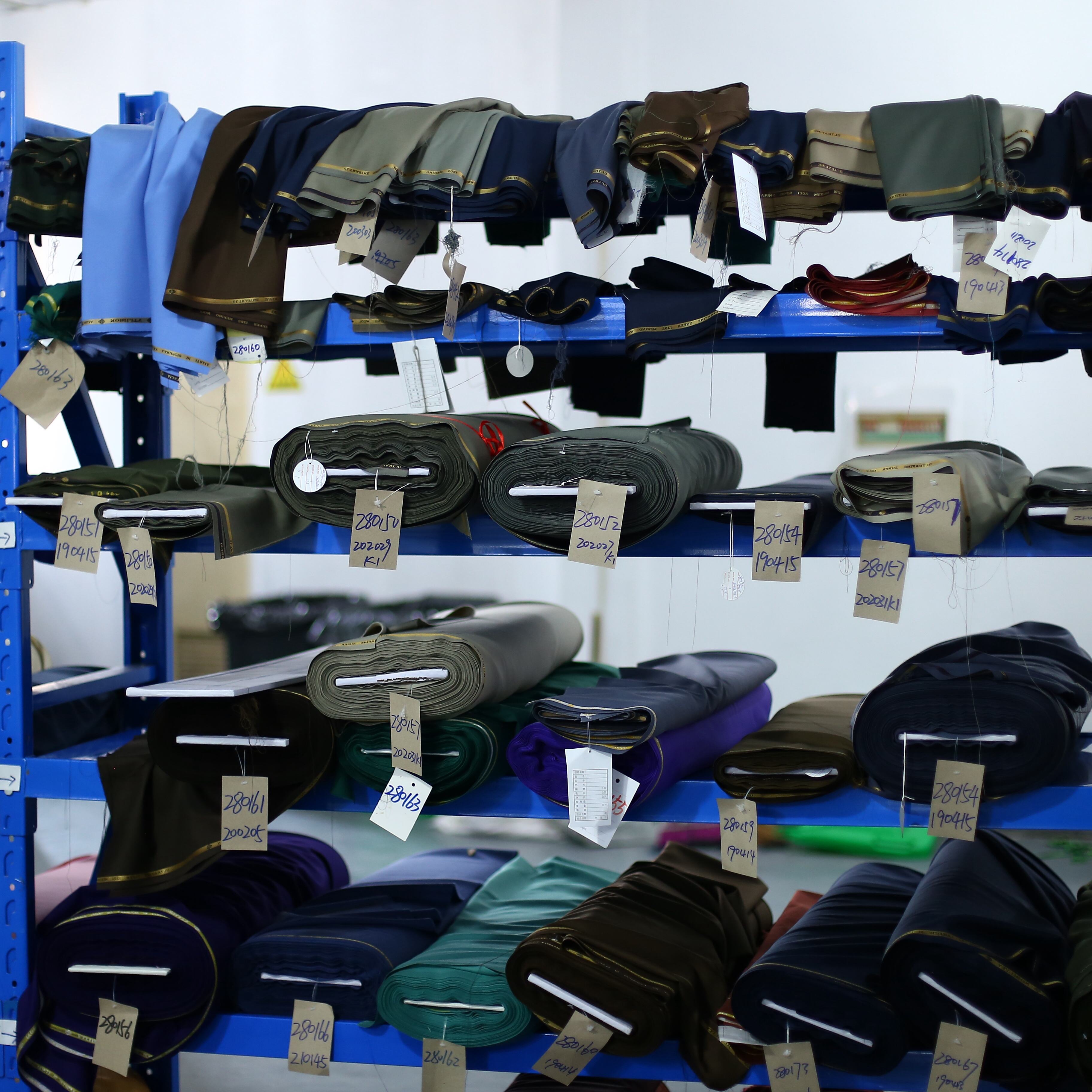
In the competitive landscape of ready-to-wear fashion, designers and manufacturers constantly seek materials that deliver both quality and commercial appeal. Worsted wool fabric stands as one of the most versatile and valuable textiles in contemporary fashion production, offering unparalleled benefits that directly translate to enhanced collection performance. This premium textile combines traditional craftsmanship with modern manufacturing capabilities, creating opportunities for brands to differentiate themselves in saturated markets while maintaining cost-effective production processes.
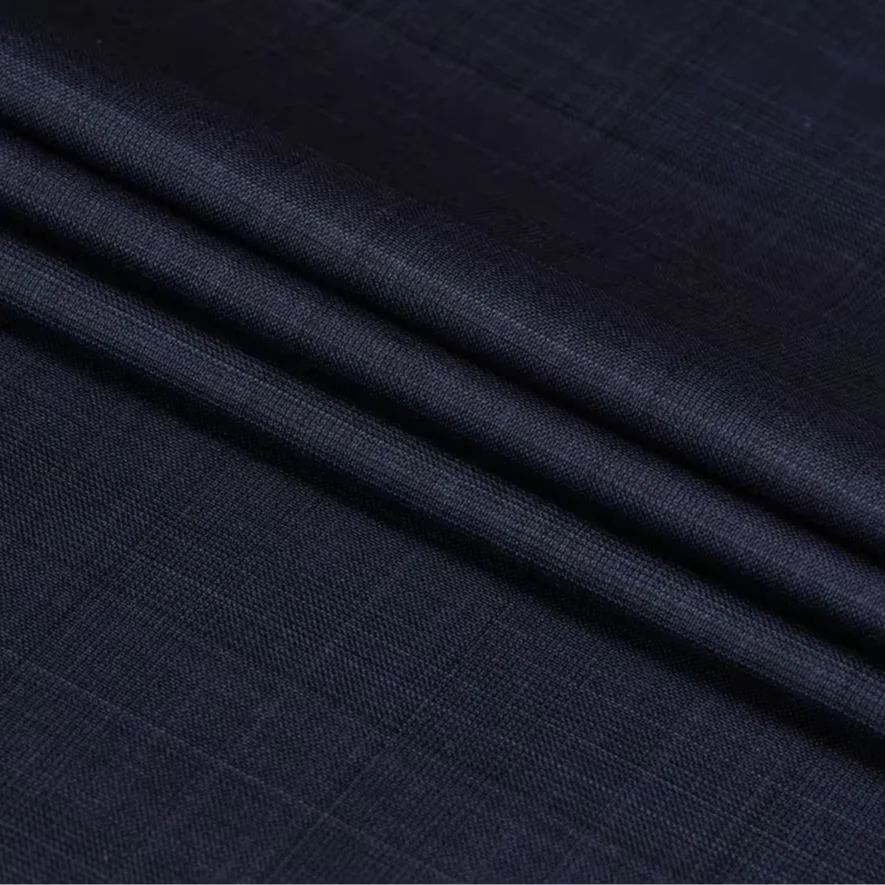
Understanding the Foundation of Worsted Wool Excellence
Manufacturing Process and Quality Standards
The production of worsted wool fabric involves a meticulous process that begins with selecting long-staple wool fibers, typically measuring four inches or longer. These fibers undergo combing rather than carding, which removes shorter fibers and creates a parallel alignment that results in smoother, stronger yarn. This manufacturing approach distinguishes worsted wool from woolen fabrics, producing a more refined surface texture and enhanced durability characteristics that directly benefit ready-to-wear applications.
During the spinning process, worsted yarns are created under high tension, compacting the fibers and creating a dense, smooth surface that resists pilling and maintains structural integrity through repeated wear cycles. This technical advantage translates to garments that retain their appearance longer, reducing return rates and enhancing customer satisfaction. The resulting fabric exhibits superior drape qualities and dimensional stability, crucial factors for mass production where consistency across size ranges becomes paramount.
Fiber Selection and Sourcing Considerations
Premium worsted wool fabric production relies heavily on strategic fiber sourcing, with manufacturers typically selecting wool from specific sheep breeds known for producing long, fine fibers. Merino wool, Leicester Longwool, and Cheviot breeds provide the foundation for high-quality worsted fabrics, each contributing unique characteristics that influence the final textile properties. Understanding these source materials enables ready-to-wear brands to make informed decisions about fabric selection based on their target market positioning and price points.
The geographic origin of wool significantly impacts fabric quality and cost structures, with Australian and New Zealand wools commanding premium prices due to their consistent fiber quality and sustainable farming practices. European wool sources offer different characteristics, often providing shorter but finer fibers suitable for lightweight worsted fabrics ideal for transitional garments. Strategic sourcing decisions directly influence the value proposition that brands can offer their customers while maintaining competitive manufacturing costs.
Commercial Benefits in Ready-to-Wear Applications
Versatility Across Seasonal Collections
The adaptability of worsted wool fabric makes it an invaluable asset for brands developing year-round collections that maximize inventory turnover and minimize seasonal storage costs. Lightweight worsted fabrics excel in spring and summer garments, providing breathability while maintaining the sophisticated appearance that consumers associate with wool textiles. Heavier weights transition seamlessly into fall and winter collections, offering thermal properties without the bulk that can complicate fit and silhouette design.
This seasonal versatility enables designers to create cohesive collection stories that span multiple selling seasons, reducing the need for extensive fabric inventory and simplifying supply chain management. Brands can leverage the consistent appearance and performance characteristics of worsted wool across different weights to create signature looks that customers recognize and trust, building brand loyalty through material consistency rather than constant innovation.
Cost-Effectiveness and Production Efficiency
Ready-to-wear manufacturers appreciate worsted wool fabric for its predictable behavior during cutting and sewing operations, which reduces production waste and minimizes quality control issues. The stable structure of worsted fabrics means less variation in shrinkage rates and dimensional changes during pressing and finishing processes, leading to more consistent fit across production runs. This reliability translates directly to reduced production costs and improved profit margins for manufacturers operating on tight timelines and budgets.
The durability characteristics of worsted wool fabric also provide long-term value for retailers by reducing warranty claims and customer complaints related to premature wear or fabric failure. Garments made from quality worsted fabrics maintain their appearance through multiple cleaning cycles, supporting sustainable fashion initiatives while reducing the total cost of ownership for consumers. This durability factor becomes a significant selling point for premium ready-to-wear brands positioning themselves in competitive market segments.
Design Flexibility and Creative Applications
Tailoring and Construction Advantages
The smooth surface and stable weave structure of worsted wool fabric provide exceptional advantages for tailored garments, allowing designers to achieve clean lines and precise silhouettes that are difficult to replicate with other materials. The fabric responds well to pressing and shaping techniques, enabling construction methods that create lasting garment architecture without requiring extensive internal structure or support materials. This characteristic proves particularly valuable for contemporary ready-to-wear designs that emphasize clean, minimalist aesthetics.
Professional seamsters and production teams consistently prefer working with worsted wool because it handles predictably during construction processes, reducing the likelihood of seaming issues or pressing problems that can delay production schedules. The fabric's ability to hold creases and maintain pressed edges reduces finishing time while ensuring consistent appearance across multiple garments in a production run. These practical advantages contribute significantly to overall production efficiency and final garment quality.
Color and Finishing Capabilities
Worsted wool fabric accepts dyes exceptionally well due to its smooth fiber surface and consistent yarn structure, enabling vibrant color reproduction that remains stable through repeated wear and cleaning cycles. This dyeing capability allows ready-to-wear brands to achieve precise color matching across different fabric weights and constructions, supporting coordinated collection development and seasonal color stories. The ability to achieve deep, rich colors with excellent fastness properties reduces the risk of customer dissatisfaction related to color fading or bleeding.
Finishing processes for worsted wool fabrics can be tailored to achieve specific surface textures and performance characteristics, from high-gloss formal fabrics to matte casual textures. Modern finishing techniques enable water resistance, stain resistance, and easy-care properties without compromising the natural benefits of wool fibers. These enhanced performance characteristics expand the market appeal of wool garments, attracting consumers who appreciate natural fibers but require modern convenience features.
Market Positioning and Consumer Appeal
Premium Brand Differentiation
Incorporating worsted wool fabric into ready-to-wear collections provides immediate elevation of brand perception, as consumers consistently associate wool textiles with quality and sophistication. This material choice signals attention to detail and commitment to quality that justifies premium pricing strategies and supports brand positioning in competitive market segments. The tactile qualities and visual appeal of worsted wool create positive sensory experiences that influence purchasing decisions and encourage customer loyalty.
The heritage and craftsmanship associated with wool production resonates with consumers increasingly interested in authentic, traditional manufacturing processes. Brands can leverage this storytelling opportunity to create emotional connections with customers who value artisanal quality and sustainable practices. The natural properties of wool align with growing consumer interest in environmentally responsible fashion choices, providing marketing advantages that extend beyond simple product features.
Target Market Expansion
Ready-to-wear collections featuring worsted wool fabric can successfully target multiple demographic segments simultaneously, from young professionals seeking sophisticated work attire to mature consumers prioritizing quality and longevity over fast fashion trends. This broad appeal enables brands to maximize their market reach without diluting their core brand message or compromising design integrity. The versatility of worsted wool supports diverse styling approaches that can satisfy varying aesthetic preferences within a single collection.
International market expansion becomes more feasible when collections feature worsted wool fabric, as this material enjoys global recognition and acceptance across diverse cultural contexts. The universal appeal of wool textiles eliminates many of the cultural barriers that can complicate international fashion marketing, while the consistent quality and performance characteristics ensure successful product performance regardless of climate or regional preferences.
FAQ
What makes worsted wool fabric superior to other wool types for ready-to-wear production
Worsted wool fabric offers superior durability and consistency compared to woolen fabrics due to its manufacturing process, which aligns long fibers in parallel formation and creates stronger, smoother yarns. This results in fabrics that resist pilling, maintain their shape better, and provide more predictable behavior during garment construction and finishing processes, making them ideal for mass production environments where consistency is crucial.
How does worsted wool fabric impact production costs in ready-to-wear manufacturing
While worsted wool fabric may have higher initial material costs, it often reduces overall production expenses through improved manufacturing efficiency, reduced waste, and lower quality control requirements. The stable structure and predictable behavior of worsted fabrics minimize production problems, reduce finishing time, and result in higher first-quality rates, ultimately improving profit margins for manufacturers.
Can worsted wool fabric meet the performance requirements of modern consumers
Modern worsted wool fabrics can be enhanced with various finishing treatments to provide water resistance, stain resistance, and easy-care properties while retaining the natural benefits of wool fibers. These performance enhancements make wool garments more appealing to contemporary consumers who expect convenience features without sacrificing quality or natural fiber benefits.
What seasonal considerations apply when incorporating worsted wool fabric into collections
Worsted wool fabric comes in various weights suitable for different seasons, from lightweight options perfect for spring and summer garments to heavier weights ideal for fall and winter collections. This weight range allows designers to maintain consistent material quality and appearance across seasonal collections while meeting appropriate thermal comfort requirements for each season.
Table of Contents
- Understanding the Foundation of Worsted Wool Excellence
- Commercial Benefits in Ready-to-Wear Applications
- Design Flexibility and Creative Applications
- Market Positioning and Consumer Appeal
-
FAQ
- What makes worsted wool fabric superior to other wool types for ready-to-wear production
- How does worsted wool fabric impact production costs in ready-to-wear manufacturing
- Can worsted wool fabric meet the performance requirements of modern consumers
- What seasonal considerations apply when incorporating worsted wool fabric into collections