
 EN
EN
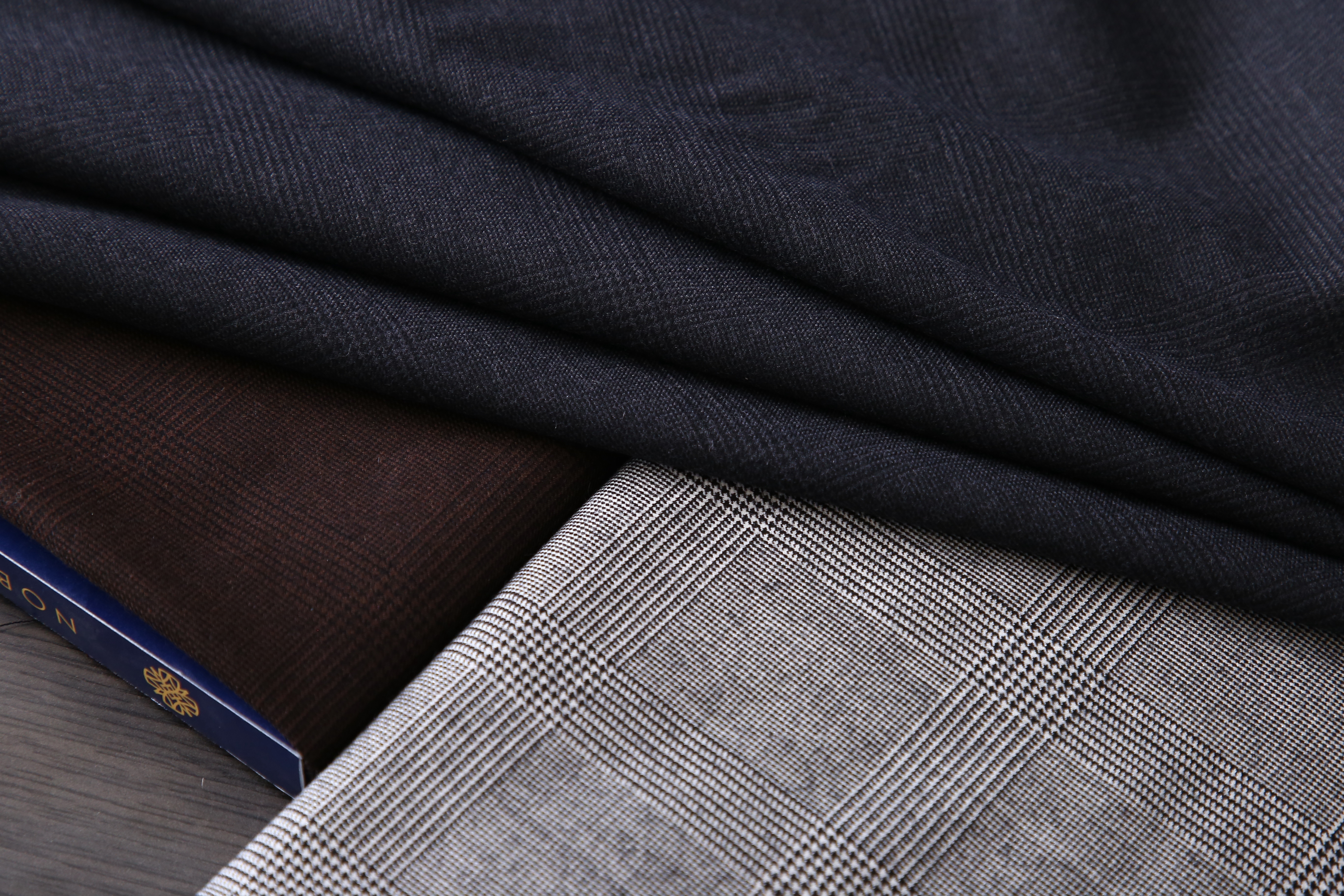
Understanding the intricacies of suit fabric collections is essential for businesses looking to establish a strong market presence in the fashion industry. Market positioning plays a crucial role in determining which fabric collections will resonate with target customers and drive sales success. The selection process involves analyzing customer demographics, brand identity, price points, and seasonal trends to create a cohesive product offering that meets market demands effectively.
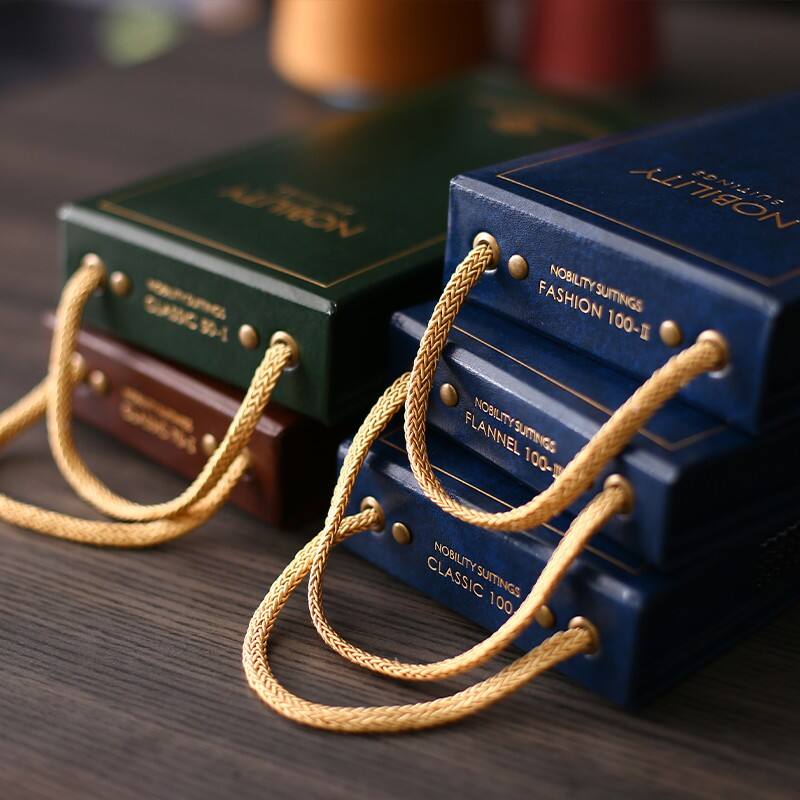
Successful fabric selection requires comprehensive market research and strategic planning to ensure alignment between product offerings and customer expectations. Companies must evaluate their competitive landscape while considering factors such as quality standards, pricing strategies, and brand positioning to make informed decisions about their suit fabric collections. This systematic approach enables businesses to maximize their market potential and build lasting relationships with their target audience.
Understanding Market Positioning Fundamentals
Defining Your Target Customer Base
Market positioning begins with clearly identifying and understanding your target customer demographics, preferences, and purchasing behaviors. Different customer segments have varying expectations regarding fabric quality, style, price range, and overall value proposition when selecting suit fabric collections. Luxury market segments typically prioritize premium materials, exclusive designs, and superior craftsmanship, while budget-conscious consumers focus on affordability and basic quality standards.
Analyzing customer data through surveys, focus groups, and sales analytics provides valuable insights into fabric preferences, seasonal buying patterns, and emerging trends. This information helps businesses tailor their suit fabric collections to meet specific market demands while maintaining competitive advantages. Understanding customer psychographics, including lifestyle choices and professional requirements, enables more precise targeting and product development strategies.
Competitive Analysis and Market Gap Identification
Thorough competitive analysis reveals market opportunities and helps identify gaps in existing suit fabric collections offerings. Examining competitor product lines, pricing strategies, quality standards, and customer reviews provides insights into market dynamics and potential differentiation opportunities. This analysis should include both direct competitors and indirect alternatives that customers might consider when making purchasing decisions.
Market gap identification involves recognizing unmet customer needs or underserved market segments that present growth opportunities. These gaps might include specific fabric types, color palettes, price points, or quality levels that competitors have overlooked. By addressing these gaps strategically, businesses can position their suit fabric collections as unique solutions that provide distinct value to customers.
Fabric Quality Assessment and Selection Criteria
Material Composition and Performance Standards
Evaluating fabric composition is fundamental to selecting appropriate suit fabric collections that align with market positioning objectives. Natural fibers such as wool, cotton, and linen offer different characteristics in terms of comfort, durability, appearance, and care requirements. Synthetic blends can provide enhanced performance features like wrinkle resistance, moisture management, and cost efficiency while maintaining acceptable quality standards.
Performance standards must align with customer expectations and intended use cases for the garments. Professional business environments require fabrics with excellent drape, color retention, and durability under frequent wear and cleaning. Seasonal considerations also influence fabric selection, with lighter weights and breathable materials preferred for summer collections while heavier, warmer fabrics suit winter offerings.
Quality Control and Testing Protocols
Implementing rigorous quality control measures ensures that suit fabric collections meet established standards and customer expectations consistently. Testing protocols should evaluate fabric strength, colorfastness, shrinkage resistance, and dimensional stability under various conditions. These assessments help prevent quality issues that could damage brand reputation and customer satisfaction levels.
Supplier relationships and quality certifications play crucial roles in maintaining consistent fabric quality across production runs. Establishing clear specifications and testing requirements with fabric suppliers helps ensure reliable supply chains and predictable product quality. Regular quality audits and feedback systems enable continuous improvement and problem prevention in suit fabric collections.
Seasonal Trends and Fashion Forecasting
Analyzing Fashion Industry Trends
Fashion forecasting provides essential guidance for selecting suit fabric collections that will remain relevant and appealing throughout their market lifecycle. Industry trend analysis involves monitoring fashion shows, trade publications, color forecasting services, and consumer behavior patterns to identify emerging preferences. This information helps businesses anticipate market demands and adjust their fabric selections accordingly.
Seasonal color palettes, pattern preferences, and texture trends significantly influence customer purchasing decisions and market success. Suit fabric collections must incorporate these trending elements while maintaining brand consistency and target market appeal. Balancing trendy elements with timeless classics ensures broad market appeal and sustainable sales performance.
Timing and Collection Planning
Strategic timing of fabric collection launches maximizes market impact and sales potential. Understanding seasonal buying patterns, trade show schedules, and customer ordering cycles enables optimal timing for new product introductions. Early market entry can establish competitive advantages, while careful timing prevents inventory challenges and maximizes sell-through rates.
Collection planning must consider lead times for fabric sourcing, sample development, and production scheduling. Coordinating these timelines ensures that suit fabric collections reach the market at optimal moments when customer demand is highest. This planning process also enables better inventory management and cash flow optimization throughout the business cycle.
Pricing Strategy and Value Positioning
Cost Analysis and Margin Optimization
Comprehensive cost analysis encompasses raw material expenses, manufacturing costs, overhead allocations, and distribution expenses to determine viable pricing strategies for suit fabric collections. Understanding these cost components enables businesses to establish competitive pricing while maintaining acceptable profit margins. Value engineering opportunities may exist to reduce costs without compromising quality standards or customer perception.
Margin optimization involves balancing competitive pricing with profitability requirements across different market segments. Premium suit fabric collections typically command higher margins due to superior quality and exclusivity, while value-oriented products rely on volume sales and efficient operations. Strategic pricing can position products effectively within their intended market segments while maximizing overall profitability.
Value Proposition Development
Developing compelling value propositions helps differentiate suit fabric collections from competitive alternatives and justifies pricing strategies. Value propositions should clearly communicate the benefits, quality standards, and unique features that customers receive in exchange for their investment. These propositions must resonate with target customer priorities and decision-making criteria.
Effective value communication extends beyond basic product features to include service elements, brand reputation, and long-term value considerations. Customers increasingly evaluate total cost of ownership, including durability, care requirements, and style longevity when assessing fabric options. Addressing these broader value considerations helps position suit fabric collections more effectively in competitive markets.
Brand Alignment and Product Consistency
Brand Identity Integration
Aligning suit fabric collections with established brand identity ensures consistent customer experiences and reinforces brand positioning in the marketplace. Brand attributes such as luxury, innovation, sustainability, or value must be reflected in fabric selection, quality standards, and presentation approaches. This alignment helps build brand equity and customer loyalty over time through consistent value delivery.
Visual and tactile brand elements should be consistently represented across all fabric offerings within collections. Color palettes, finish quality, packaging presentation, and marketing materials must work together to reinforce brand identity and market positioning. This consistency helps customers recognize and trust the brand while making purchasing decisions more straightforward and confident.
Collection Cohesion and Range Planning
Creating cohesive suit fabric collections requires careful planning to ensure that individual fabric options work well together while serving different customer needs and preferences. Range planning involves selecting complementary colors, patterns, weights, and textures that provide variety without creating confusion or diluting brand focus. This balance enables customers to find suitable options while maintaining collection integrity.
Product line architecture should reflect clear segmentation strategies that address different market segments or use cases effectively. Having distinct tiers or categories within suit fabric collections helps customers navigate options more easily while enabling targeted marketing and sales approaches. This structure also supports inventory management and production planning activities.
Distribution Channel Considerations
Channel Partner Requirements
Different distribution channels have varying requirements and expectations regarding suit fabric collections that must be considered during selection processes. Retail partners may prioritize fast-moving items with broad appeal, while custom tailors might require specialized fabrics with unique characteristics. Understanding these channel-specific needs helps optimize product offerings for maximum distribution success.
Channel partner capabilities regarding product presentation, customer service, and technical expertise influence fabric selection decisions. Complex or specialized fabrics may require additional training and support resources that not all partners can provide effectively. Matching product complexity with channel capabilities ensures better customer experiences and sales outcomes across the distribution network.
Market Coverage and Accessibility
Strategic market coverage involves selecting suit fabric collections that can be effectively distributed and supported across target geographic markets and customer segments. Regional preferences, climate considerations, and local competition influence optimal fabric selections for different markets. This geographic customization helps maximize market penetration while maintaining operational efficiency.
Accessibility considerations include pricing levels, availability timing, and service requirements that enable broad market participation. Offering suit fabric collections at multiple price points and availability levels helps capture different customer segments while building market share. This tiered approach enables businesses to serve diverse customer needs while maintaining focus on core market positioning objectives.
FAQ
How do seasonal trends affect suit fabric collection selection
Seasonal trends significantly impact suit fabric collections through color preferences, weight requirements, and texture popularity that change throughout the year. Spring and summer collections typically feature lighter weights, brighter colors, and breathable materials, while fall and winter selections emphasize warmer fabrics, deeper colors, and richer textures. Understanding these seasonal patterns helps businesses time their launches appropriately and select fabrics that align with customer preferences during specific periods.
What role does customer feedback play in fabric selection decisions
Customer feedback provides crucial insights for optimizing suit fabric collections by revealing preferences, quality issues, and unmet needs that influence future selections. Regular feedback collection through surveys, reviews, and direct communication helps identify successful fabrics worth continuing and problematic options requiring improvement or elimination. This information enables data-driven decisions that improve customer satisfaction and market success over time.
How can businesses balance quality and cost in fabric selection
Balancing quality and cost in suit fabric collections requires strategic evaluation of customer value perception, competitive positioning, and operational constraints. Businesses can optimize this balance by focusing on quality attributes that customers value most while finding cost efficiencies in less visible areas. Value engineering approaches, supplier negotiations, and volume purchasing can help maintain quality standards while achieving competitive cost structures.
What factors determine the optimal collection size for different market segments
Optimal collection size depends on customer preferences for variety, inventory investment capabilities, and market positioning objectives within specific segments. Luxury markets often prefer smaller, exclusive collections with premium options, while mass markets benefit from larger selections offering diverse price points and styles. Businesses must balance customer choice requirements with operational complexity and inventory costs to determine appropriate collection sizes for their target markets.