
 EN
EN
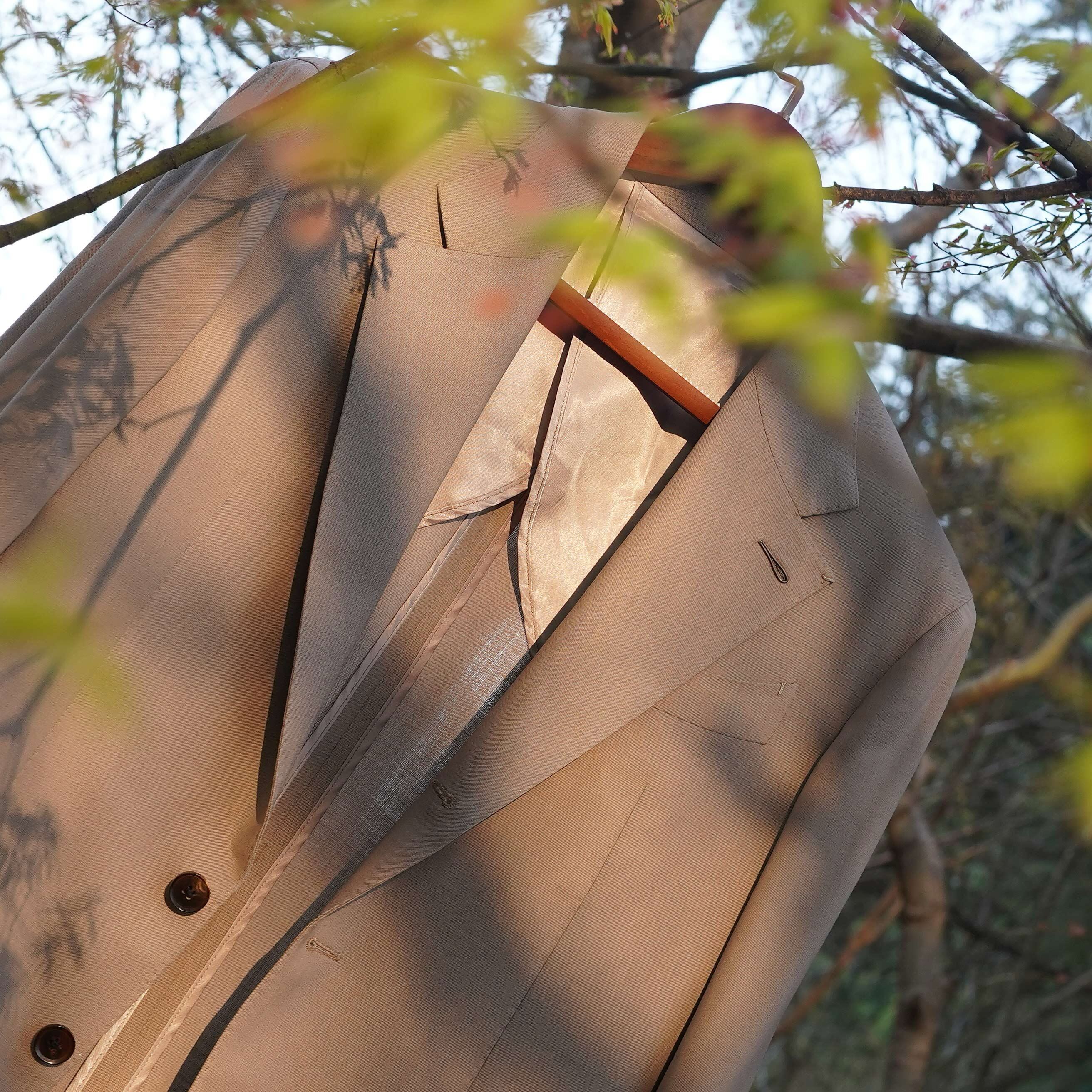
The fashion industry stands at a critical juncture where environmental consciousness meets evolving consumer preferences. As sustainability becomes increasingly important, manufacturers are exploring innovative materials that balance performance, comfort, and ecological responsibility. The shift toward lightweight eco-friendly fabrics in suit production represents more than just a trend—it signals a fundamental transformation in how we approach professional menswear. This evolution reflects growing awareness of both environmental impact and the practical benefits of advanced textile technologies.
The Evolution of Sustainable Suit Materials
Traditional Fabrics and Environmental Concerns
Conventional suit production has long relied on materials that demand significant environmental resources. Traditional wool processing requires extensive water usage, chemical treatments, and energy-intensive manufacturing processes. Cotton cultivation often involves pesticides and fertilizers that impact soil health and water systems. These established practices have created a substantial ecological footprint that modern consumers increasingly question. The fashion industry's environmental impact extends beyond raw material production to include transportation, manufacturing, and disposal considerations that affect global sustainability goals.
Heavy fabrics traditionally associated with premium suiting also present practical challenges in contemporary professional environments. Climate-controlled offices and frequent travel demand materials that adapt to varying conditions while maintaining professional appearance. The weight and bulk of conventional suit materials can restrict movement and comfort throughout extended workdays. These functional limitations, combined with environmental concerns, have accelerated interest in alternative materials that offer superior performance characteristics.
Emergence of Eco-Conscious Manufacturing
Modern textile innovation has introduced numerous sustainable alternatives that address both environmental and performance concerns. Recycled fibers derived from post-consumer waste reduce landfill burden while creating high-quality materials suitable for professional garments. Bio-based synthetic fibers offer durability and easy care while minimizing resource consumption during production. These lightweight eco-friendly fabrics demonstrate that sustainability and quality are not mutually exclusive in contemporary suit manufacturing.
Advanced manufacturing techniques have enabled the creation of fabrics that combine multiple sustainable fibers in innovative blends. These hybrid materials leverage the best characteristics of different eco-friendly sources while minimizing individual weaknesses. Manufacturers are developing closed-loop production systems that recycle water, reduce chemical usage, and minimize waste throughout the manufacturing process. This comprehensive approach to sustainability extends beyond fabric composition to encompass entire production methodologies.
Performance Advantages of Modern Lightweight Materials
Enhanced Mobility and Comfort
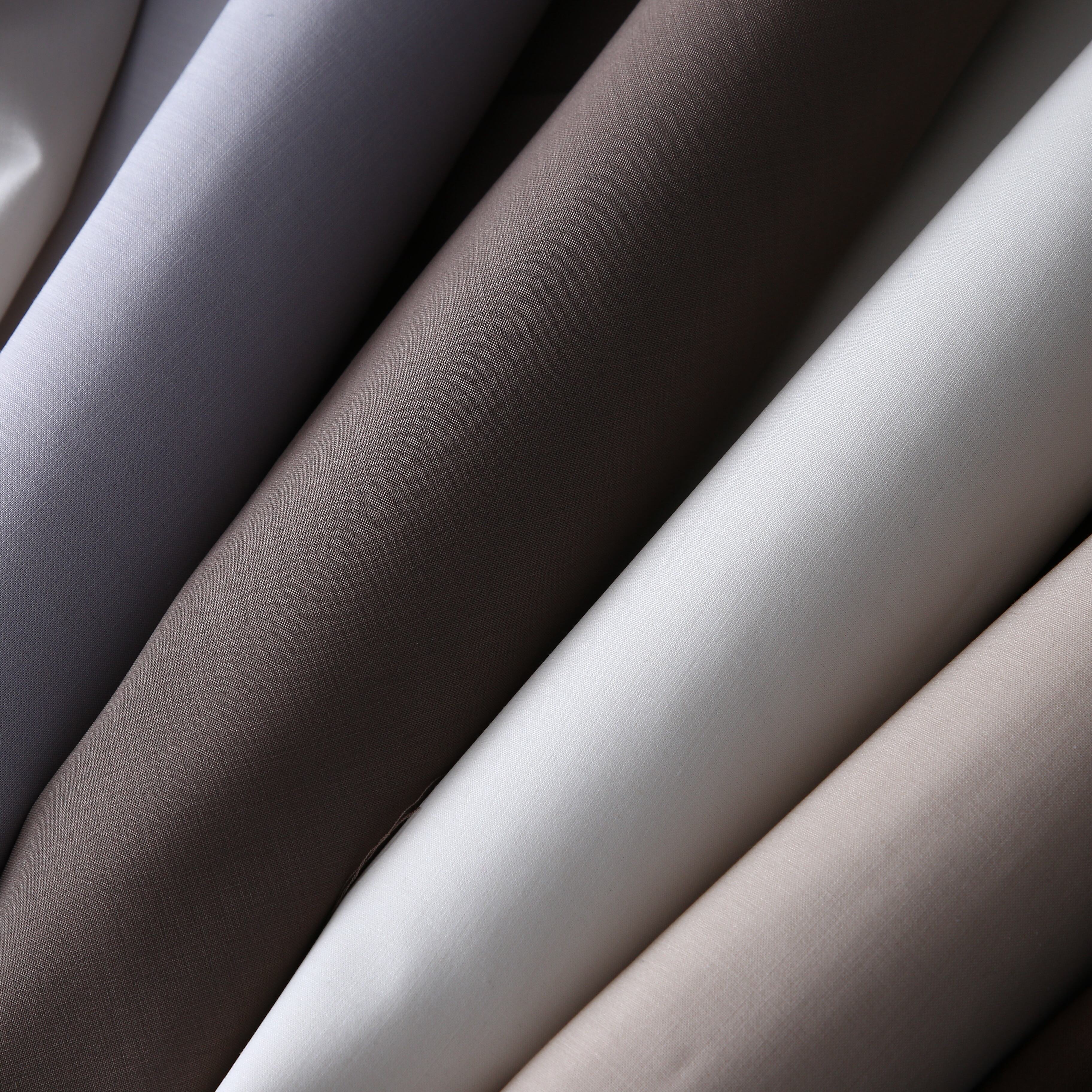
Contemporary professionals demand garments that support active lifestyles without compromising appearance. Lightweight eco-friendly fabrics provide exceptional stretch and recovery properties that accommodate movement throughout busy workdays. These materials resist wrinkles better than traditional options, maintaining crisp appearance despite extended wear and travel. The reduced weight significantly improves comfort during long meetings, commutes, and business travel where traditional heavy fabrics become cumbersome.
Moisture-wicking properties inherent in many modern sustainable fabrics help regulate body temperature and maintain comfort in varying environmental conditions. This performance advantage becomes particularly valuable in warmer climates or during seasonal transitions when traditional wool may prove too warm. The breathability of these materials prevents the stuffiness associated with synthetic blends while providing the durability required for regular professional use.
Durability and Maintenance Benefits
Advanced fiber technologies have produced lightweight eco-friendly fabrics that exceed traditional materials in longevity and ease of care. Many sustainable options resist staining, fading, and wear better than conventional alternatives while requiring less frequent dry cleaning. This reduced maintenance requirement not only saves money but also decreases the environmental impact associated with chemical cleaning processes. The improved durability means garments maintain their appearance and structural integrity through extended use cycles.
Color retention and shape stability represent significant improvements in modern eco-friendly suit materials. These fabrics resist the stretching and sagging that commonly affect traditional wool suits over time. Many sustainable options can be machine washed, eliminating the need for professional cleaning and reducing ongoing garment care costs. This convenience factor appeals to busy professionals who value efficiency without sacrificing quality or appearance standards.
Environmental Impact and Sustainability Benefits
Resource Conservation
The production of lightweight eco-friendly fabrics typically requires significantly less water than conventional materials. Organic cotton and hemp cultivation use natural pest management techniques that eliminate synthetic pesticide requirements. Recycled fiber production diverts waste from landfills while reducing the need for virgin material extraction. These resource conservation benefits extend throughout the supply chain, from raw material production through final garment manufacturing.
Energy efficiency in sustainable fabric production often exceeds traditional manufacturing by substantial margins. Renewable energy sources increasingly power facilities producing eco-friendly materials, further reducing carbon footprint. The lighter weight of finished garments reduces transportation costs and associated emissions during distribution. These cumulative environmental benefits make lightweight eco-friendly fabrics increasingly attractive to environmentally conscious consumers and manufacturers.
Circular Economy Integration
Modern sustainable suit materials are designed with end-of-life considerations that support circular economy principles. Many eco-friendly fabrics can be recycled into new textiles or safely biodegrade when disposal becomes necessary. This cradle-to-cradle approach contrasts sharply with traditional synthetic materials that persist in landfills for decades. Manufacturers are developing take-back programs that recover worn garments for material recovery and reprocessing.
The integration of recycled content in new fabric production creates demand for post-consumer textile waste while reducing virgin material requirements. This closed-loop system transforms waste into valuable resources, supporting sustainable manufacturing practices. Companies investing in these technologies are positioning themselves at the forefront of the circular economy transformation that increasingly defines modern business practices.
Market Trends and Consumer Adoption
Professional Acceptance
Corporate dress codes are evolving to accommodate performance-oriented professional wear that includes sustainable fabric options. Many companies now recognize that employee comfort and environmental responsibility contribute to overall productivity and corporate image. Law firms, financial institutions, and consulting companies increasingly accept suits made from lightweight eco-friendly fabrics as appropriate professional attire. This acceptance reflects changing attitudes toward what constitutes appropriate business dress in modern professional environments.
The visual and tactile quality of advanced sustainable fabrics has reached parity with traditional luxury materials in many applications. Discerning professionals often cannot distinguish between high-quality eco-friendly suits and conventional alternatives based on appearance alone. This quality equivalence removes barriers to adoption that previously limited sustainable options to casual or secondary applications. Professional acceptance continues to expand as fabric technology advances and awareness of sustainability benefits increases.
Economic Considerations
The cost structure of sustainable suit production is becoming increasingly competitive with traditional manufacturing. Economies of scale in eco-friendly fabric production have reduced price premiums that once limited market adoption. The extended lifespan and reduced maintenance requirements of many sustainable materials provide long-term value that often exceeds traditional options. These economic benefits appeal to cost-conscious consumers who appreciate quality and value over time.
Investment in sustainable manufacturing technology by major textile producers has accelerated innovation and reduced costs across the industry. Government incentives and consumer demand for environmentally responsible products have created favorable market conditions for continued growth in sustainable suit materials. The expanding availability of lightweight eco-friendly fabrics has increased competition and driven continued improvements in both quality and affordability.
Technical Innovation in Sustainable Textiles
Fiber Development Advances
Research into bio-based synthetic fibers has produced materials that combine the best properties of natural and synthetic options. These advanced fibers offer the breathability and comfort of natural materials with the durability and easy care of synthetics. Molecular engineering has enabled the creation of fibers with specific performance characteristics tailored to suit applications. These innovations represent significant advances over first-generation sustainable materials that often required performance compromises.
Nanotechnology applications in sustainable fabric finishing have improved stain resistance, wrinkle recovery, and antimicrobial properties without relying on harsh chemicals. These treatments maintain the eco-friendly characteristics of base materials while enhancing performance in demanding professional environments. The integration of smart textile technologies promises future developments that will further enhance the appeal of lightweight eco-friendly fabrics for business applications.
Manufacturing Process Improvements
Closed-loop manufacturing systems have eliminated many waste streams associated with traditional textile production. Water recycling technologies allow manufacturers to reduce consumption by up to ninety percent compared to conventional processes. Energy recovery systems capture and reuse heat generated during production, improving overall efficiency. These process improvements reduce environmental impact while maintaining or improving product quality standards.
Digital printing technologies have reduced water usage and chemical waste in fabric dyeing while enabling more precise color matching and pattern application. Automated cutting systems minimize fabric waste during garment construction, improving material utilization efficiency. These technological advances make sustainable suit production more economically viable while reducing environmental impact throughout the manufacturing process.
Future Outlook for Sustainable Suiting
Industry Transformation
The traditional suiting industry is undergoing fundamental changes driven by sustainability concerns and performance demands. Major manufacturers are investing heavily in research and development of lightweight eco-friendly fabrics that will define future professional wear standards. This transformation extends beyond material composition to encompass entire business models focused on sustainability and circular economy principles. Industry leaders recognize that adaptation to these trends is essential for long-term competitiveness.
Collaboration between textile producers, garment manufacturers, and technology companies is accelerating innovation in sustainable suiting. These partnerships leverage expertise from multiple disciplines to develop integrated solutions that address environmental, performance, and aesthetic requirements simultaneously. The resulting products represent significant advances over previous generation sustainable options and demonstrate the potential for continued improvement.
Consumer Behavior Evolution
Younger professionals increasingly prioritize sustainability alongside traditional considerations of quality, fit, and appearance when selecting business attire. This demographic shift is driving demand for transparent supply chains and verifiable sustainability claims from suit manufacturers. Companies that can demonstrate genuine environmental responsibility while delivering superior performance characteristics are positioned to capture growing market share among environmentally conscious professionals.
The integration of sustainability into corporate culture has elevated the importance of environmentally responsible business attire. Professionals working for companies with strong sustainability commitments increasingly seek clothing options that align with organizational values. This alignment between personal and professional environmental goals creates sustained demand for lightweight eco-friendly fabrics in business applications.
FAQ
How do lightweight eco-friendly fabrics compare to traditional wool in professional settings?
Modern lightweight eco-friendly fabrics often exceed traditional wool in performance characteristics while maintaining professional appearance standards. These materials typically offer better wrinkle resistance, moisture management, and durability while requiring less maintenance than conventional wool suits. The visual quality has reached parity with luxury traditional materials, making them suitable for all professional environments including conservative industries like law and finance.
What are the main environmental benefits of choosing sustainable suit materials?
Sustainable suit materials typically require significantly less water, energy, and chemical inputs during production compared to conventional fabrics. They often incorporate recycled content that diverts waste from landfills while reducing virgin material requirements. Many eco-friendly options are biodegradable or recyclable at end-of-life, supporting circular economy principles. The reduced weight also decreases transportation emissions during distribution.
Are lightweight eco-friendly fabrics suitable for year-round professional wear?
Yes, many lightweight eco-friendly fabrics are designed for year-round professional use through advanced fiber blends and weaving techniques that provide appropriate weight and insulation for different seasons. These materials often offer superior temperature regulation compared to traditional options, making them comfortable in varying climate conditions. Some manufacturers produce seasonal variations of sustainable fabrics to meet specific weather requirements while maintaining eco-friendly characteristics.
How do the costs of sustainable suits compare to traditional options?
While sustainable suits may carry slight price premiums initially, the total cost of ownership often favors eco-friendly options due to increased durability and reduced maintenance requirements. Many lightweight eco-friendly fabrics last longer than traditional materials and require less frequent professional cleaning, reducing ongoing costs. As production scales increase, price differences continue to narrow, with some sustainable options now competitively priced with conventional suits of similar quality levels.
Table of Contents
- The Evolution of Sustainable Suit Materials
- Performance Advantages of Modern Lightweight Materials
- Environmental Impact and Sustainability Benefits
- Market Trends and Consumer Adoption
- Technical Innovation in Sustainable Textiles
- Future Outlook for Sustainable Suiting
-
FAQ
- How do lightweight eco-friendly fabrics compare to traditional wool in professional settings?
- What are the main environmental benefits of choosing sustainable suit materials?
- Are lightweight eco-friendly fabrics suitable for year-round professional wear?
- How do the costs of sustainable suits compare to traditional options?