 EN
EN
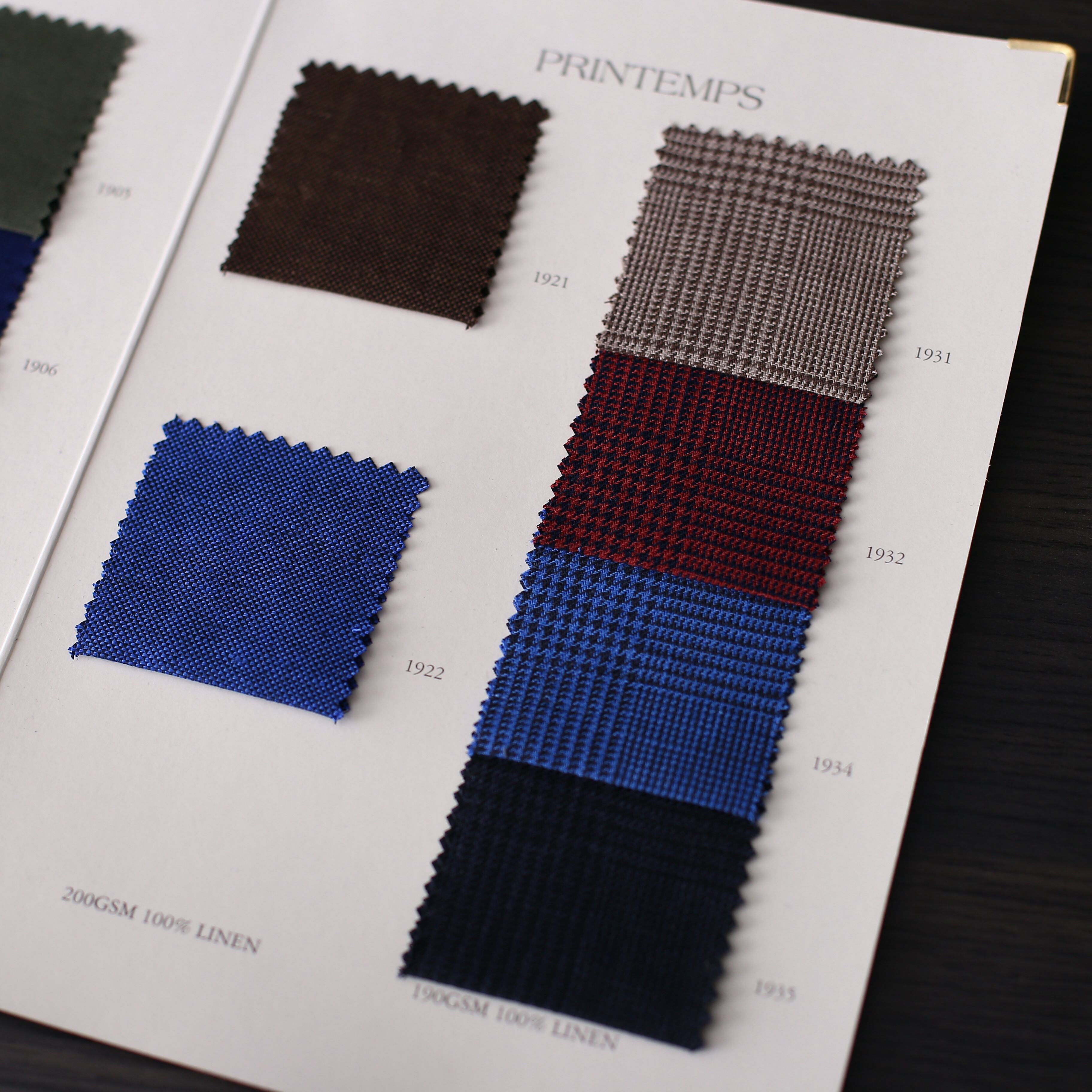
The fashion industry has witnessed a remarkable transformation in recent years, with brands increasingly seeking specialized partnerships to deliver exceptional custom suit solutions. This evolution has positioned fabric suppliers as critical strategic partners, moving beyond traditional roles to become integral collaborators in the design and manufacturing process. Understanding how these partnerships function reveals the sophisticated ecosystem that enables brands to deliver premium tailored clothing to their customers.
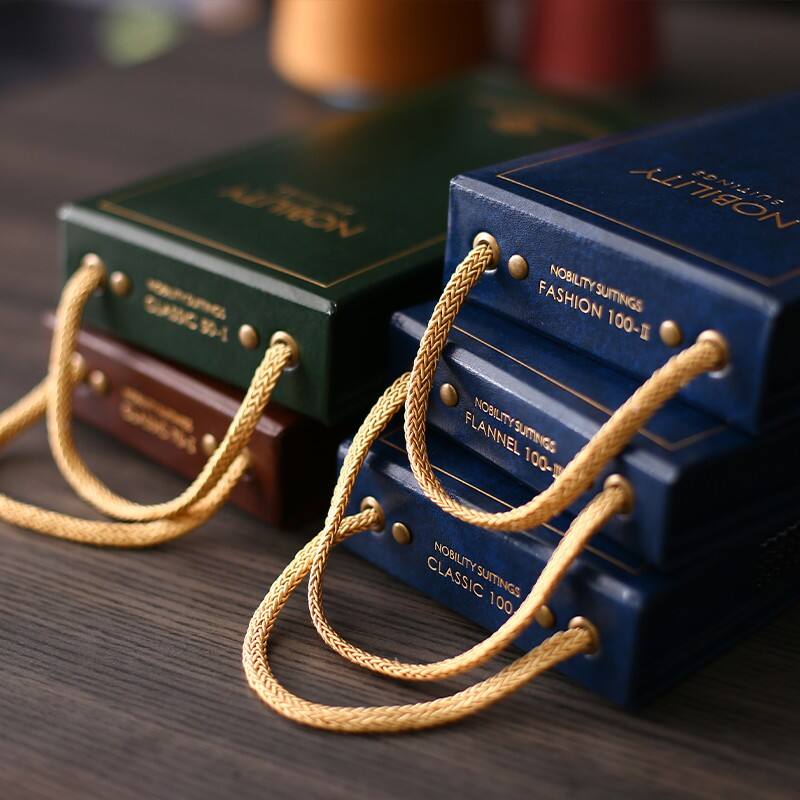
Modern fabric suppliers have evolved from simple material providers to comprehensive solution partners, offering technical expertise, design consultation, and innovative materials that enable brands to create distinctive custom suit collections. Their role encompasses everything from sourcing rare fibers to developing proprietary weaves that give brands competitive advantages in the luxury menswear market.
Strategic Partnership Development in Custom Suiting
Building Long-Term Collaborative Relationships
Successful fabric suppliers understand that supporting brands with custom suit solutions requires more than just delivering quality materials. They invest in understanding each brand's unique aesthetic vision, target market, and manufacturing capabilities. This deep partnership approach allows them to anticipate needs and provide proactive recommendations that enhance the final product quality.
These collaborative relationships often span multiple seasons, enabling continuous refinement of fabric specifications and performance characteristics. Leading fabric suppliers work closely with brand design teams to develop signature fabrics that become synonymous with specific labels, creating a unique market position that competitors cannot easily replicate.
Technical Expertise and Design Consultation
Contemporary fabric suppliers bring extensive technical knowledge to custom suit development projects. Their expertise covers fiber selection, weave construction, finishing treatments, and performance enhancement technologies. This knowledge proves invaluable when brands need to balance aesthetic appeal with functional requirements such as wrinkle resistance, breathability, or stretch properties.
The consultation process typically involves detailed discussions about intended use cases, seasonal considerations, and care requirements. Experienced suppliers can recommend specific fiber blends or construction techniques that will achieve desired performance characteristics while maintaining the luxurious feel and appearance that custom suit customers expect.
Material Innovation and Customization Capabilities
Advanced Fiber Technology Integration
Modern fabric suppliers continuously invest in research and development to create innovative materials that meet evolving customer expectations. They incorporate advanced fibers such as merino wool blends, performance synthetics, and sustainable alternatives into traditional suiting fabrics. These innovations allow brands to offer customers enhanced comfort, durability, and functionality without compromising on style.
The integration of smart textiles and performance fibers has opened new possibilities for custom suit applications. Fabric suppliers now offer materials with moisture-wicking properties, temperature regulation capabilities, and enhanced stretch that maintains shape retention. These technological advances enable brands to differentiate their custom suit offerings in increasingly competitive markets.
Exclusive Pattern and Weave Development
One of the most valuable services that fabric suppliers provide is the development of exclusive patterns and weaves for brand partners. This process involves creating unique designs that cannot be sourced elsewhere, giving brands a distinct competitive advantage in their market segments.
The development process typically begins with collaborative design sessions where brand representatives work with textile designers to conceptualize patterns that align with brand identity and target customer preferences. Suppliers then create sample runs and prototypes, allowing for refinement and adjustment before full production begins.
Quality Assurance and Production Support
Rigorous Testing and Certification Processes
Professional fabric suppliers implement comprehensive quality assurance programs that ensure every yard of material meets specified standards. These programs include testing for colorfastness, dimensional stability, abrasion resistance, and other performance metrics that directly impact the longevity and appearance of finished custom suits.
The certification process extends beyond basic quality metrics to include environmental and ethical compliance standards. Many suppliers now provide documentation verifying sustainable sourcing practices, fair labor conditions, and environmental impact assessments. This documentation helps brands meet their own sustainability commitments and respond to increasing consumer demand for responsible manufacturing practices.
Inventory Management and Delivery Coordination
Effective fabric suppliers understand the importance of reliable inventory management and delivery coordination in custom suit production. They maintain adequate stock levels of popular fabrics while also providing just-in-time delivery for specialized orders. This flexibility allows brands to respond quickly to customer demands without carrying excessive inventory costs.
Advanced suppliers utilize sophisticated inventory management systems that provide real-time visibility into stock levels, production schedules, and delivery timelines. This transparency enables better planning and coordination between suppliers and brand partners, reducing the risk of production delays or stock shortages that could impact customer satisfaction.
Global Sourcing and Supply Chain Management
International Network Development
Leading fabric suppliers maintain extensive international networks that provide access to the finest raw materials from around the world. These networks include relationships with wool producers in Australia and New Zealand, cotton growers in Egypt and the United States, and silk producers in Asia. This global reach ensures consistent access to premium fibers regardless of regional market conditions.
The complexity of international sourcing requires sophisticated logistics management and quality control systems. Successful suppliers coordinate multiple supply chains simultaneously, ensuring that materials from different regions meet consistent quality standards and arrive according to production schedules.
Risk Management and Contingency Planning
Professional fabric suppliers implement comprehensive risk management strategies to protect their brand partners from supply chain disruptions. These strategies include maintaining diverse supplier bases, establishing strategic inventory reserves, and developing alternative sourcing options for critical materials.
Contingency planning becomes particularly important when working with luxury fibers that may have limited availability or seasonal production constraints. Experienced suppliers work proactively with brands to identify potential risks and develop mitigation strategies that ensure continuity of supply for critical custom suit programs.
Sustainability and Environmental Responsibility
Eco-Friendly Material Development
Contemporary fabric suppliers increasingly focus on developing environmentally responsible materials that meet the growing demand for sustainable luxury goods. This includes sourcing organic and recycled fibers, implementing water-efficient dyeing processes, and developing biodegradable finishing treatments that minimize environmental impact.
The development of sustainable materials requires significant investment in research and new production technologies. Forward-thinking suppliers collaborate with environmental scientists and textile researchers to create innovative solutions that maintain the quality and performance characteristics expected in luxury suiting while reducing ecological footprint.
Circular Economy Integration
Progressive fabric suppliers are implementing circular economy principles by developing take-back programs for end-of-life garments and creating new fabrics from recycled materials. These initiatives help brands demonstrate environmental leadership while creating new revenue streams from previously discarded materials.
The integration of circular economy concepts requires sophisticated tracking systems and processing capabilities. Suppliers must be able to trace materials throughout their lifecycle and maintain quality standards when incorporating recycled content into new fabric productions.
Technology Integration and Digital Innovation
Digital Design and Visualization Tools
Modern fabric suppliers leverage advanced digital technologies to enhance their collaboration with brand partners. Digital design platforms allow real-time visualization of fabric patterns and colors, enabling faster decision-making and reducing the need for physical samples during the initial design phases.
These digital tools also facilitate better communication between global teams, allowing designers in different time zones to collaborate effectively on custom fabric development projects. The ability to share high-resolution digital representations of fabrics accelerates the design process and reduces development costs.
Automated Production and Quality Control
Advanced manufacturing technologies enable fabric suppliers to achieve unprecedented consistency and quality in their productions. Automated weaving systems can maintain precise tension and pattern alignment, while digital quality control systems can detect defects that might be missed by human inspectors.
The integration of artificial intelligence and machine learning technologies allows suppliers to optimize production parameters continuously and predict potential quality issues before they occur. This proactive approach to quality management helps ensure that custom suit fabrics meet the exacting standards required for luxury applications.
FAQ
What makes fabric suppliers essential partners for custom suit brands
Fabric suppliers serve as essential partners because they provide more than just materials - they offer technical expertise, design consultation, quality assurance, and innovation capabilities that brands cannot easily develop in-house. Their specialized knowledge of fibers, weaving techniques, and finishing processes enables brands to create superior custom suit products while focusing on their core competencies in design, marketing, and customer service.
How do fabric suppliers ensure consistent quality across different production runs
Professional fabric suppliers maintain consistent quality through rigorous testing protocols, standardized production processes, and comprehensive documentation systems. They test every batch for colorfastness, dimensional stability, and other critical characteristics, while maintaining detailed records of production parameters that enable replication of successful formulations in future runs.
What role do fabric suppliers play in sustainable fashion initiatives
Leading fabric suppliers are increasingly central to sustainable fashion initiatives by developing eco-friendly materials, implementing responsible sourcing practices, and creating circular economy solutions. They invest in organic and recycled fibers, water-efficient production processes, and take-back programs that help brands meet sustainability goals while maintaining quality standards expected in luxury custom suiting.
How do fabric suppliers support brands in developing unique competitive advantages
Fabric suppliers help brands develop competitive advantages by creating exclusive materials, patterns, and performance characteristics that cannot be sourced elsewhere. Through collaborative development processes, they can produce signature fabrics that become synonymous with specific brands, while also providing technical innovations that enhance functionality and customer satisfaction in ways that competitors cannot easily replicate.
Table of Contents
- Strategic Partnership Development in Custom Suiting
- Material Innovation and Customization Capabilities
- Quality Assurance and Production Support
- Global Sourcing and Supply Chain Management
- Sustainability and Environmental Responsibility
- Technology Integration and Digital Innovation
-
FAQ
- What makes fabric suppliers essential partners for custom suit brands
- How do fabric suppliers ensure consistent quality across different production runs
- What role do fabric suppliers play in sustainable fashion initiatives
- How do fabric suppliers support brands in developing unique competitive advantages