 EN
EN
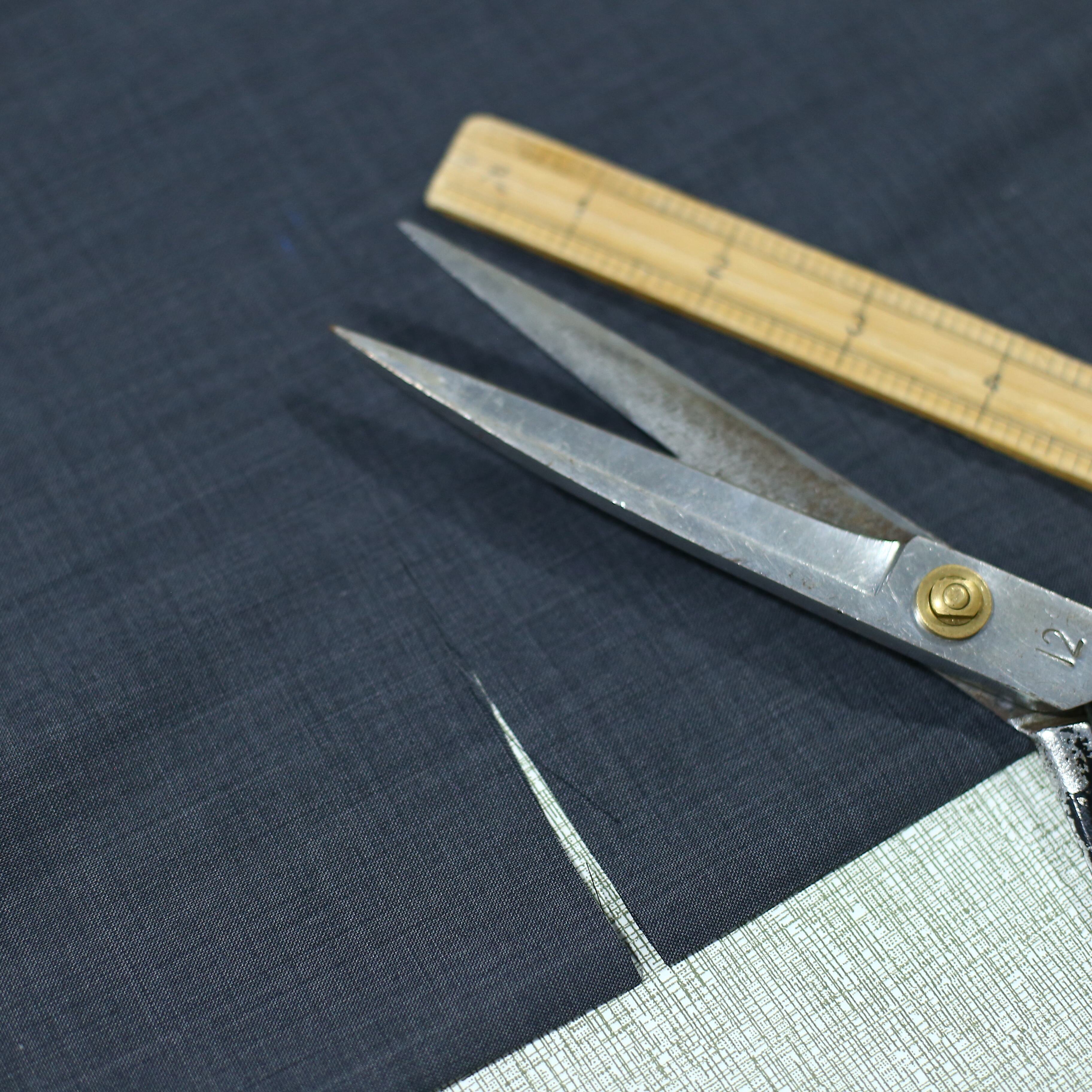
The textile industry has witnessed countless fabric innovations, yet worsted wool fabric remains the gold standard for premium garment manufacturing. This exceptional material has earned its reputation through decades of proven performance in creating sophisticated tailored clothing. From luxury suits to elegant coats, worsted wool fabric delivers the perfect combination of durability, elegance, and versatility that discerning manufacturers demand for their high-end collections.
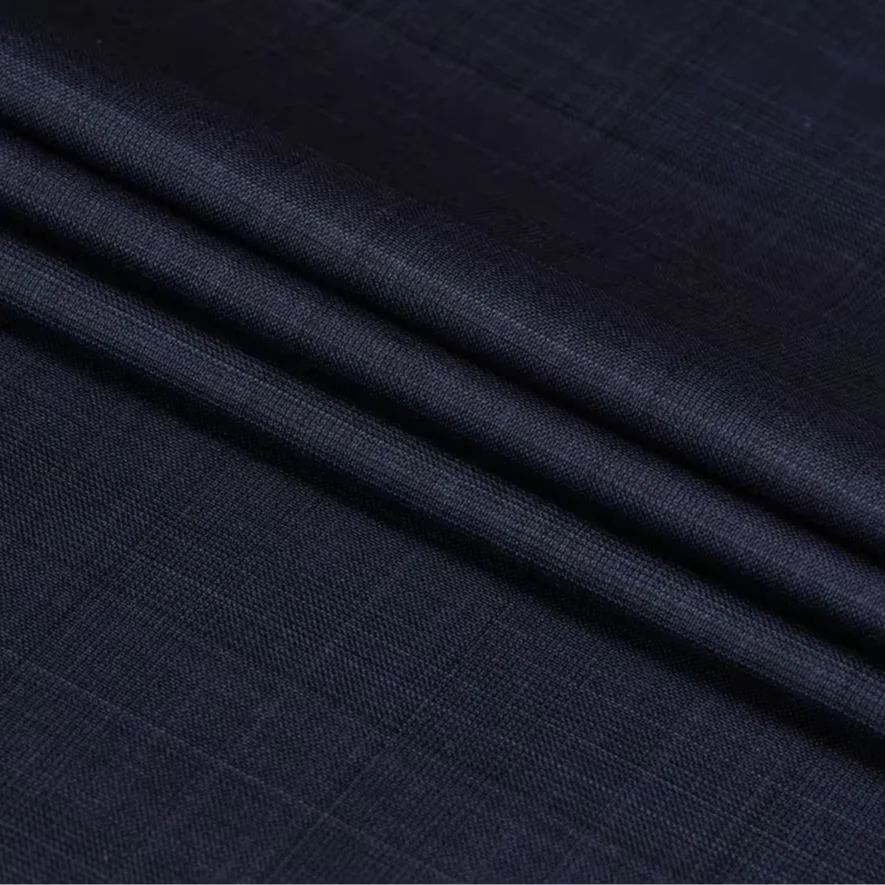
The Manufacturing Excellence Behind Worsted Wool
Superior Fiber Selection Process
The creation of premium worsted wool fabric begins with meticulous fiber selection, where only the finest long-staple wool fibers are chosen. These carefully selected fibers undergo a specialized combing process that removes shorter fibers and aligns the remaining strands in parallel formation. This alignment creates the smooth, lustrous surface that distinguishes worsted wool from other wool varieties. Manufacturers appreciate this consistency because it translates directly into garments with superior drape and professional appearance.
The combing process also eliminates impurities and weak fibers that could compromise fabric integrity during manufacturing. This attention to detail ensures that garment manufacturers receive materials with predictable behavior during cutting, sewing, and pressing operations. The result is reduced waste, fewer production delays, and consistently high-quality finished products that meet the exacting standards of luxury fashion brands.
Advanced Weaving Techniques
Modern worsted wool production employs sophisticated weaving technologies that create fabrics with exceptional dimensional stability. The tight, even weave structure prevents distortion during garment construction, allowing manufacturers to achieve precise fits and sharp tailoring lines. This stability is particularly crucial for structured garments like blazers and formal coats where maintaining shape is essential for professional appearance.
The weaving process also incorporates tension control systems that ensure uniform fabric density throughout each bolt. This consistency eliminates the variations that can cause headaches for production teams, ensuring that pattern pieces cut from different sections of the fabric will behave identically during assembly. Manufacturers value this reliability because it streamlines their quality control processes and reduces the risk of costly production errors.
Performance Characteristics That Drive Manufacturing Decisions
Exceptional Durability and Longevity
Garment manufacturers consistently choose worsted wool fabric because of its remarkable resistance to wear and tear. The tightly twisted yarns and dense weave structure create a fabric that maintains its appearance even after extensive use. This durability translates into customer satisfaction and brand reputation, as garments retain their professional appearance throughout their lifespan. Manufacturing partners recognize that investing in quality materials like worsted wool ultimately supports their brand positioning in premium market segments.
The fabric's resilience extends beyond simple wear resistance to include recovery properties that help garments maintain their shape. Worsted wool naturally returns to its original form after stretching or compression, which means suits and jackets continue to fit properly even after long periods of wear. This shape retention reduces customer complaints and returns, making it a financially sound choice for manufacturers focused on long-term customer relationships.
Superior Tailoring Properties
The smooth surface and consistent structure of worsted wool fabric make it exceptionally responsive to professional pressing and shaping techniques. Skilled tailors can create sharp creases, smooth curves, and precise edges that remain stable over time. This workability allows manufacturers to achieve the sophisticated finishes that distinguish high-end garments from mass-market alternatives.
Additionally, the fabric's ability to hold its shape during construction simplifies the manufacturing process. Pattern pieces maintain their dimensions throughout cutting and sewing operations, reducing the need for adjustments and rework. This consistency speeds production times and improves overall efficiency, allowing manufacturers to meet delivery schedules while maintaining quality standards.
Market Advantages and Commercial Benefits
Premium Market Positioning
Worsted wool fabric carries inherent prestige that allows manufacturers to position their products in lucrative premium market segments. Consumers associate this material with quality, sophistication, and professional success, making it easier for brands to command higher prices. This market perception creates opportunities for manufacturers to build profitable product lines that appeal to discerning customers willing to invest in superior clothing.
The fabric's reputation also opens doors to partnerships with luxury retailers and high-end fashion brands. These relationships often lead to steady order volumes and long-term contracts that provide business stability. Manufacturers who consistently deliver quality garments made from worsted wool fabric frequently find themselves becoming preferred suppliers for prestigious fashion houses and corporate uniform programs.
Seasonal Versatility and Year-Round Sales
Modern worsted wool fabric production includes lightweight options that extend the selling season beyond traditional fall and winter periods. These versatile fabrics allow manufacturers to create garments suitable for spring and summer wear, maximizing sales opportunities throughout the year. The breathability and comfort of properly constructed worsted wool make it suitable for professional environments with climate control systems.
This seasonal flexibility helps manufacturers maintain steady production schedules and cash flow. Instead of experiencing the feast-or-famine cycles common with seasonal fabrics, companies working with worsted wool can plan consistent manufacturing operations. This stability supports better relationships with suppliers, more efficient use of equipment, and improved workforce management.
Technical Specifications and Quality Standards
Fiber Length and Yarn Construction
The technical superiority of worsted wool fabric stems from strict standards governing fiber length and yarn construction. Only fibers meeting minimum length requirements are used, ensuring the smooth surface texture and consistent performance that manufacturers depend upon. The parallel arrangement of these long fibers creates yarns with exceptional tensile strength and uniform diameter.
Quality control measures throughout the yarn production process monitor twist levels, tension consistency, and surface smoothness. These parameters directly impact the final fabric's behavior during garment construction, influencing everything from cutting precision to seam quality. Manufacturers benefit from this attention to detail through reduced production variables and more predictable manufacturing outcomes.
Weight Classifications and Application Guidelines
Worsted wool fabric is available in carefully calibrated weight ranges that correspond to specific garment applications. Lightweight versions excel in unstructured jackets and flowing coats, while heavier weights provide the substance needed for formal suits and structured outerwear. This variety allows manufacturers to select the optimal fabric weight for each design, ensuring proper drape and performance.
Understanding these weight classifications enables manufacturers to make informed decisions about construction techniques, interfacing requirements, and finishing methods. The predictable behavior of different worsted wool weights streamlines the design process and reduces the need for extensive prototyping. This efficiency translates into faster time-to-market and reduced development costs for new product lines.
Sustainability and Environmental Considerations
Natural Fiber Advantages
The natural origin of worsted wool fabric aligns with growing consumer demand for environmentally responsible textile choices. Unlike synthetic alternatives, wool is biodegradable and renewable, supporting manufacturers' sustainability initiatives. This environmental advantage becomes increasingly important as brands seek to meet corporate responsibility goals and consumer expectations for eco-friendly products.
The longevity of garments made from worsted wool fabric also contributes to sustainability by reducing replacement frequency. When consumers purchase fewer garments because their wool clothing lasts longer, the overall environmental impact decreases. Manufacturers can leverage this sustainability message in their marketing efforts, appealing to environmentally conscious consumers while justifying premium pricing.
Responsible Sourcing and Production
Modern worsted wool fabric production increasingly emphasizes responsible sourcing practices and environmental stewardship. Many suppliers now offer traceability programs that document the journey from sheep farm to finished fabric, providing transparency that supports sustainable manufacturing initiatives. This documentation helps manufacturers meet certification requirements and consumer demands for ethical production practices.
The efficiency gains achieved through worsted wool fabric's consistent performance also contribute to environmental benefits. Reduced waste during manufacturing, fewer defective products, and longer garment lifecycles all support sustainability goals. These factors make worsted wool an attractive choice for manufacturers committed to reducing their environmental footprint while maintaining product quality.
FAQ
What makes worsted wool fabric different from regular wool
Worsted wool fabric undergoes a specialized combing process that removes short fibers and aligns the remaining long fibers in parallel. This creates a smoother, more lustrous surface compared to regular wool fabrics. The tight weave and yarn construction also provide superior durability and dimensional stability, making it ideal for tailored garments that require precise fitting and professional appearance.
How does worsted wool fabric perform in different climates
Worsted wool fabric offers excellent adaptability to various climate conditions due to wool's natural temperature-regulating properties. The fabric provides warmth in cool conditions while remaining breathable in moderate temperatures. Modern lightweight worsted wool options extend wearability into warmer seasons, making it suitable for year-round garment collections and professional wardrobes in climate-controlled environments.
Why do luxury brands prefer worsted wool for their garments
Luxury brands choose worsted wool fabric because it delivers the combination of quality, appearance, and performance that their customers expect. The fabric's smooth texture, excellent drape, and shape retention capabilities enable the creation of sophisticated garments that maintain their appearance over time. Additionally, the prestige associated with worsted wool supports premium pricing strategies and brand positioning in high-end market segments.
What should manufacturers consider when selecting worsted wool fabric
Manufacturers should evaluate fiber quality, yarn construction standards, and weight specifications when selecting worsted wool fabric. Consider the intended garment application, target market positioning, and required performance characteristics. Additionally, assess supplier reliability, quality consistency, and sustainability credentials to ensure the fabric choice supports both production efficiency and brand values throughout the manufacturing process.