
 EN
EN
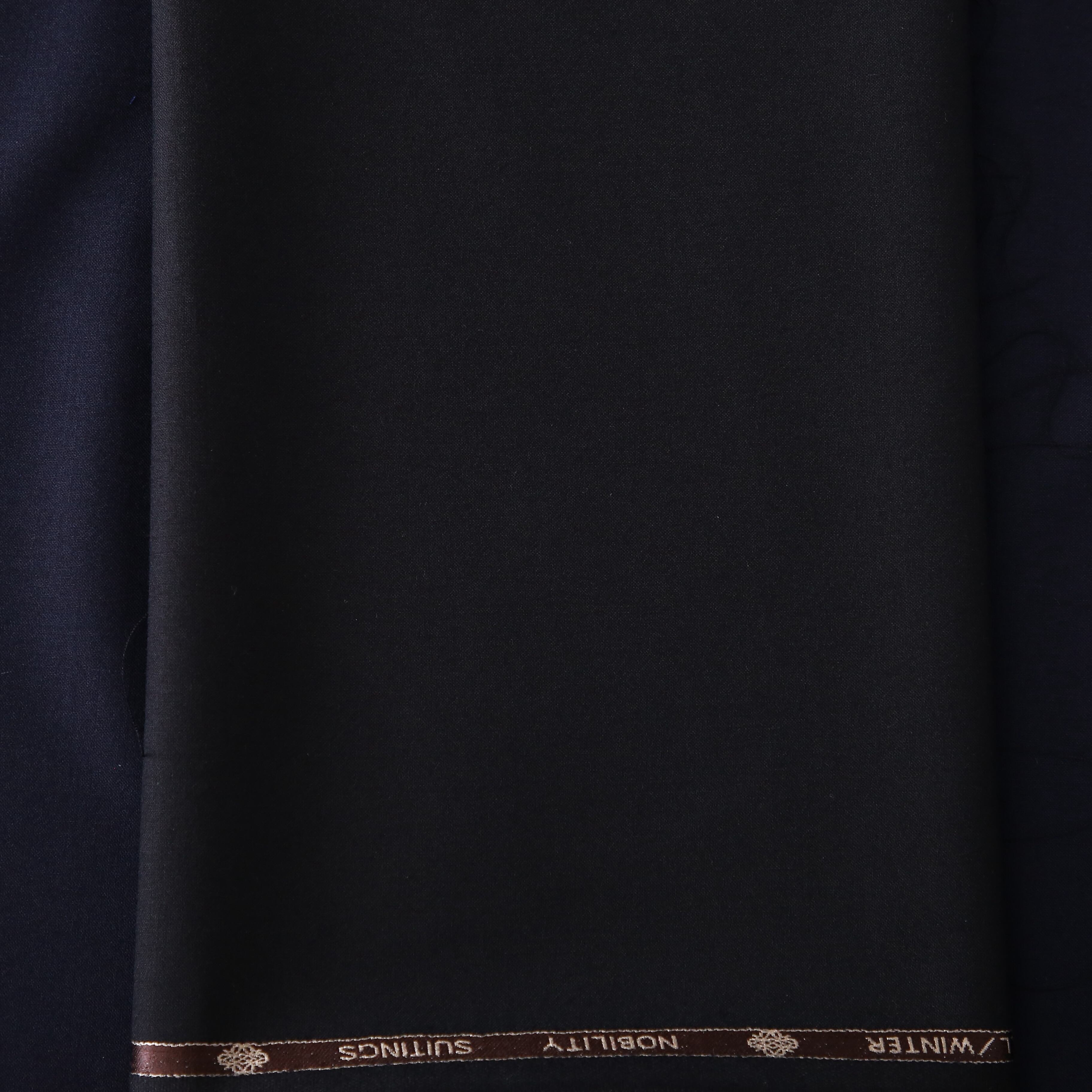
Maintaining merino wool quality during mass garment production presents unique challenges that require specialized knowledge and careful attention to detail. The delicate nature of merino fibers, combined with the demands of large-scale manufacturing, creates a complex environment where quality control becomes paramount. Understanding the intricacies of merino wool properties and implementing proper handling techniques throughout the production process ensures that the final garments retain their natural benefits while meeting commercial standards.
Understanding Merino Wool Characteristics
Fiber Structure and Properties
Merino wool possesses distinctive characteristics that set it apart from other natural fibers, making it highly sought after in the textile industry. The fiber diameter typically ranges from 18 to 24 microns, significantly finer than regular wool, which contributes to its exceptional softness and comfort against the skin. This fine structure also provides natural elasticity, allowing garments to maintain their shape while offering superior drape and movement.
The natural crimp in merino fibers creates air pockets that provide excellent insulation properties, making it suitable for both warm and cool weather applications. This unique structure also contributes to the fiber's moisture-wicking capabilities, as it can absorb up to 30% of its weight in moisture while still feeling dry to the touch. These inherent properties must be preserved throughout the manufacturing process to ensure the final product delivers the expected performance benefits.
Quality Grading Standards
Merino wool is classified according to strict quality standards that evaluate fiber diameter, length, strength, and color. The International Wool Textile Organisation establishes guidelines that manufacturers must follow to maintain consistency and quality across different production batches. Understanding these standards helps production teams identify the appropriate handling methods and processing parameters for each wool grade.
Quality assessment begins with raw wool evaluation, where factors such as staple length, crimp consistency, and contamination levels are measured. Higher-grade merino wool typically exhibits uniform fiber diameter, minimal vegetable matter content, and consistent coloration. These quality indicators directly impact the processing requirements and final garment characteristics, making early assessment crucial for maintaining standards throughout production.
Pre-Production Quality Control
Raw Material Inspection
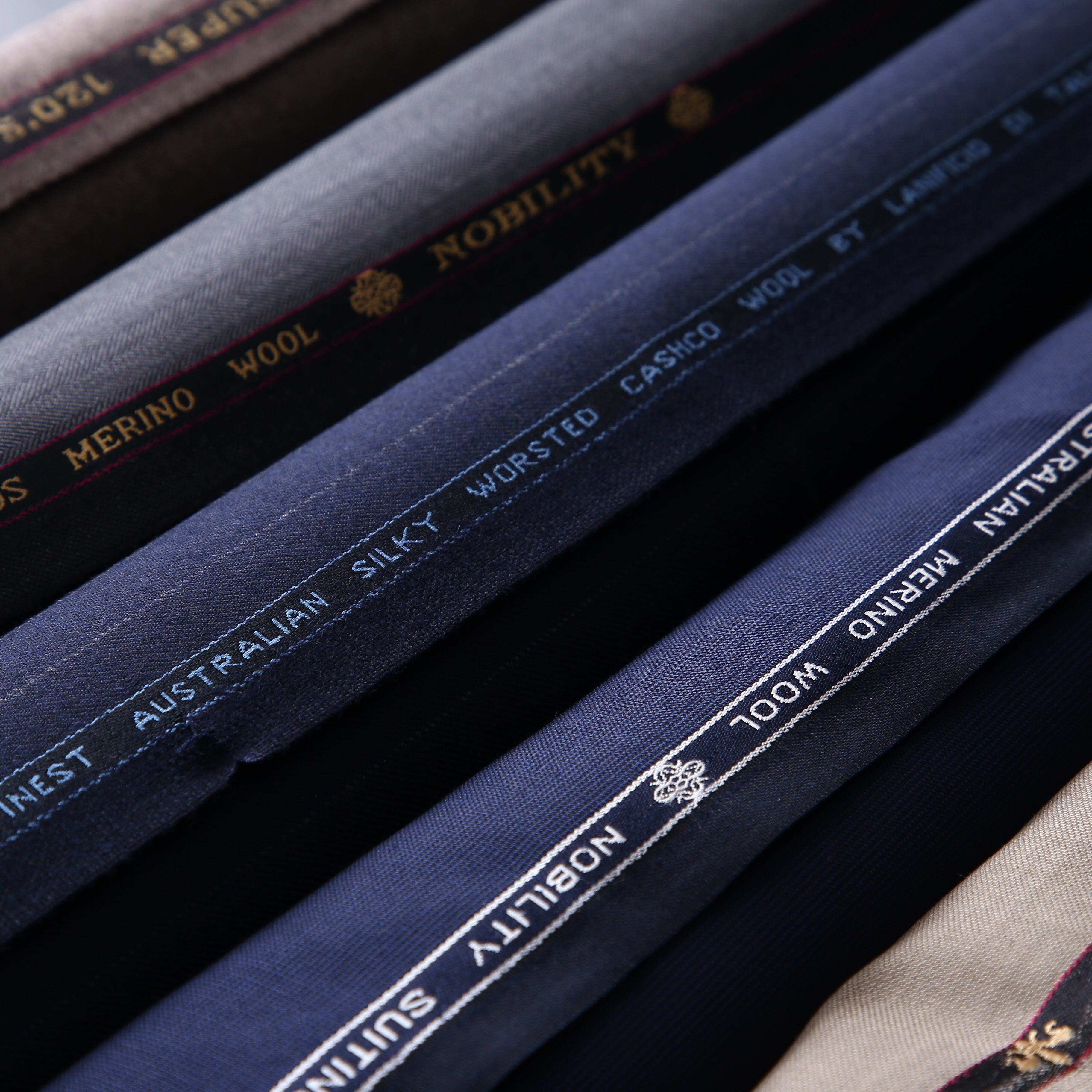
Effective quality control begins with thorough inspection of raw merino wool before it enters the production line. Visual examination should identify any obvious defects, contamination, or irregularities that could affect the final product quality. Laboratory testing provides quantitative data on fiber diameter, tensile strength, and moisture content, establishing baseline parameters for processing decisions.
Proper storage conditions for raw materials significantly impact merino wool quality throughout the production cycle. Temperature and humidity control prevents fiber degradation and maintains the wool's natural oils, which contribute to its softness and processing characteristics. Contamination prevention through proper handling procedures ensures that foreign materials do not compromise the final product quality.
Batch Documentation and Traceability
Implementing comprehensive documentation systems enables manufacturers to track wool quality from source to finished product. Each batch should be assigned unique identifiers that link to detailed records of origin, quality test results, and processing parameters. This traceability system proves invaluable when quality issues arise, allowing for rapid identification of root causes and implementation of corrective measures.
Digital tracking systems provide real-time visibility into batch status and quality metrics throughout the production process. Integration with quality control databases enables automatic flagging of batches that fall outside acceptable parameters, preventing substandard materials from progressing through the manufacturing pipeline. This proactive approach minimizes waste and ensures consistent output quality.
Processing Techniques for Quality Preservation
Washing and Scouring Methods
The washing and scouring processes remove natural oils, dirt, and other impurities from raw merino wool while preserving fiber integrity. Traditional alkaline scouring methods can be harsh on delicate merino fibers, potentially causing damage that affects quality and performance. Modern enzyme-based cleaning systems offer gentler alternatives that effectively remove contaminants while maintaining fiber structure and natural properties.
Temperature control during washing operations proves critical for maintaining fiber quality. Excessive heat can cause fiber shrinkage, reduce tensile strength, and alter the natural crimp that contributes to wool's insulating properties. Optimal washing temperatures typically range between 40-60 degrees Celsius, depending on the specific wool grade and contamination levels present in the raw material.
Carding and Combing Optimization
Mechanical processing through carding and combing operations requires careful parameter adjustment to prevent fiber damage while achieving desired yarn characteristics. The delicate nature of merino fibers makes them susceptible to breakage during aggressive mechanical handling, resulting in short fibers that compromise yarn strength and appearance. Proper machine settings, including roller speeds, tension controls, and wire configurations, ensure gentle handling while maintaining processing efficiency.
Regular maintenance of carding and combing equipment prevents fiber damage caused by worn or improperly adjusted components. Sharp wire clothing and properly aligned rollers minimize fiber stress during processing, while contamination removal systems prevent foreign materials from causing quality defects. Investment in high-quality processing equipment specifically designed for fine fibers pays dividends in terms of improved output quality and reduced waste.
Spinning and Yarn Formation
Tension Management Systems
Maintaining appropriate tension throughout the spinning process prevents fiber breakage while ensuring adequate twist insertion for yarn strength. Merino wool's fine diameter makes it more sensitive to tension variations compared to coarser fibers, requiring sophisticated control systems that automatically adjust parameters based on real-time feedback. Modern spinning frames incorporate tension monitoring devices that provide immediate alerts when parameters drift outside acceptable ranges.
Consistent twist levels contribute significantly to yarn quality and subsequent fabric performance. Under-twisted yarns lack sufficient strength for weaving or knitting operations, while over-twisted yarns can become harsh and lose the natural softness associated with merino wool. Optimal twist factors vary depending on yarn count and intended end use, requiring careful calculation and monitoring throughout production runs.
Environmental Controls
Spinning operations require precise environmental control to maintain merino wool quality and processing efficiency. Humidity levels between 65-70% prevent static electricity buildup that can cause fiber breakage and yarn irregularities. Temperature control maintains fiber flexibility and prevents moisture loss that could affect spinning performance and yarn characteristics.
Air filtration systems remove dust and contaminants that could compromise yarn quality or create processing difficulties. Clean air circulation also helps maintain consistent environmental conditions throughout the spinning area, reducing variations that could affect product quality. Investment in comprehensive environmental control systems proves essential for maintaining consistent merino wool quality during mass production operations.
Fabric Formation and Finishing
Weaving and Knitting Considerations
Fabric formation processes must accommodate the unique characteristics of merino wool yarns to preserve quality while achieving desired fabric properties. Weaving parameters including warp and weft tensions, beat-up pressure, and shuttle speeds require careful adjustment to prevent yarn damage and ensure uniform fabric structure. The elasticity of merino wool yarns allows for some processing flexibility but also requires consistent handling to maintain fabric dimensional stability.
Knitting operations benefit from merino wool's natural elasticity, creating fabrics with excellent stretch and recovery properties. Machine settings must balance fabric formation requirements with gentle yarn handling to prevent damage that could affect the finished product's appearance and performance. Regular monitoring of yarn tension and fabric formation ensures consistent quality throughout production runs.
Wet Processing and Chemical Treatments
Wet processing operations including dyeing, bleaching, and finishing treatments require special consideration for merino wool's chemical sensitivity. Acidic conditions generally prove more suitable for merino wool processing compared to alkaline treatments that can cause fiber damage and quality degradation. pH monitoring and control systems ensure that chemical treatments remain within acceptable ranges throughout processing cycles.
Temperature control during wet processing prevents shrinkage and felting that could compromise fabric quality and dimensional stability. Gentle mechanical action combined with appropriate chemical formulations achieves desired color and finish results while preserving the natural properties that make merino wool desirable. Proper rinsing and neutralization procedures remove residual chemicals that could affect fabric performance or wearer comfort.
Quality Testing and Validation
Physical Property Testing
Comprehensive testing protocols validate that finished garments meet established quality standards for merino wool products. Physical tests including tensile strength, abrasion resistance, and dimensional stability provide quantitative measures of product performance. These tests help identify potential quality issues before products reach consumers, preventing costly returns and reputation damage.
Pilling resistance testing proves particularly important for merino wool garments, as the fine fiber diameter can make them susceptible to surface fiber migration and pill formation. Standardized testing methods provide consistent evaluation criteria that enable comparison across different production batches and suppliers. Regular testing schedules ensure that quality standards are maintained throughout extended production runs.
Performance Verification
Functional performance testing validates that finished garments deliver the expected benefits associated with merino wool materials. Moisture management properties, thermal regulation, and odor resistance capabilities should be verified through standardized testing procedures. These performance characteristics represent key selling points for merino wool products and must be maintained throughout the manufacturing process.
Wash and wear testing simulates real-world usage conditions to identify potential quality issues that may not be apparent in new garments. Repeated washing cycles, exposure to various environmental conditions, and mechanical stress testing provide insights into long-term product performance. This testing helps manufacturers optimize processing parameters and identify areas for quality improvement.
FAQ
What are the most critical factors that affect merino wool quality during mass production
The most critical factors include temperature and humidity control throughout all processing stages, proper mechanical handling to prevent fiber damage, appropriate chemical formulations for wet processing, and consistent tension management during spinning and fabric formation. Environmental controls play a particularly important role, as merino wool's fine fiber structure makes it sensitive to processing conditions that might not significantly impact coarser fibers.
How can manufacturers prevent common quality defects in merino wool garments
Prevention strategies include implementing comprehensive raw material inspection procedures, maintaining optimal processing parameters throughout production, regular equipment maintenance and calibration, and establishing robust quality control checkpoints at each manufacturing stage. Training personnel on merino wool's unique characteristics ensures that handling procedures are followed consistently, reducing the likelihood of quality defects.
What testing methods provide the most reliable quality assessment for merino wool products
The most reliable testing methods combine physical property measurements with performance-based evaluations. Key tests include fiber diameter analysis, tensile strength measurement, pilling resistance assessment, dimensional stability testing, and moisture management evaluation. Laboratory testing should be supplemented with practical wash and wear trials that simulate real-world usage conditions to provide comprehensive quality validation.
How does batch size affect quality control in merino wool production
Larger batch sizes can present challenges in maintaining consistent quality due to increased processing time and potential equipment variations. However, they also offer opportunities for better quality control through statistical sampling methods and process optimization. The key is implementing robust monitoring systems that can detect quality variations early in the process, regardless of batch size, and making appropriate adjustments to maintain standards throughout production runs.
Table of Contents
- Understanding Merino Wool Characteristics
- Pre-Production Quality Control
- Processing Techniques for Quality Preservation
- Spinning and Yarn Formation
- Fabric Formation and Finishing
- Quality Testing and Validation
-
FAQ
- What are the most critical factors that affect merino wool quality during mass production
- How can manufacturers prevent common quality defects in merino wool garments
- What testing methods provide the most reliable quality assessment for merino wool products
- How does batch size affect quality control in merino wool production