 EN
EN

The global textile industry relies heavily on comprehensive international standards to ensure the quality, authenticity, and sustainability of pure wool products. These standards serve as critical benchmarks for manufacturers, suppliers, and consumers worldwide, establishing clear guidelines for sourcing, processing, and certifying pure wool materials. Understanding these international frameworks is essential for businesses operating in the wool trade, as compliance with established standards directly impacts market access, consumer trust, and overall product quality.
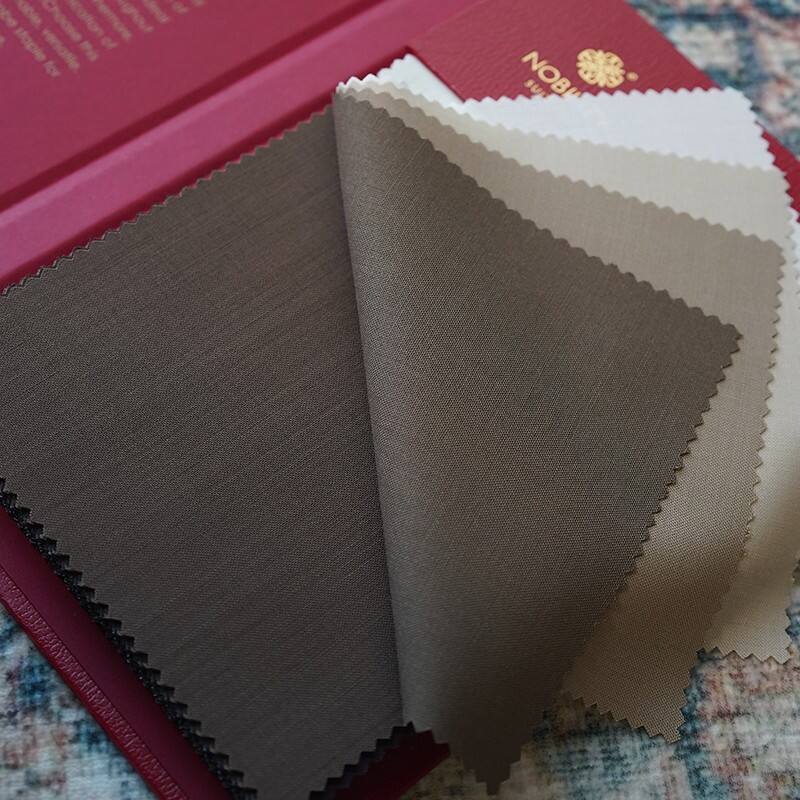
International wool standards have evolved significantly over the past century, driven by increasing consumer awareness and the need for consistent quality across global supply chains. Today's standards encompass various aspects of pure wool production, from animal welfare and environmental impact to fiber quality and chemical composition. These comprehensive frameworks ensure that pure wool products meet stringent requirements for safety, performance, and ethical sourcing practices.
Major International Wool Standards Organizations
International Wool Textile Organisation Framework
The International Wool Textile Organisation (IWTO) stands as the premier global authority for pure wool standards, representing the interests of the wool textile trade worldwide. Established in 1930, IWTO develops and maintains technical specifications that govern the testing, measurement, and classification of pure wool fibers. Their standards cover critical aspects including fiber diameter, length, strength, and color, providing manufacturers with reliable benchmarks for quality assessment and product development.
IWTO's comprehensive testing procedures ensure that pure wool meets specific performance criteria across different applications, from fine apparel to industrial textiles. The organization's standards are regularly updated to incorporate technological advances and evolving market requirements, maintaining their relevance in today's competitive marketplace. These guidelines serve as the foundation for trade agreements and quality specifications between international buyers and suppliers.
American Society for Testing Materials Standards
The American Society for Testing and Materials (ASTM) has developed extensive standards specifically addressing pure wool characteristics and performance requirements. ASTM D123 provides standardized terminology for textiles, including precise definitions for pure wool and its various classifications. These standards ensure consistent communication and understanding across the global wool industry, eliminating ambiguity in product specifications and trade negotiations.
ASTM's testing methodologies for pure wool encompass mechanical properties, chemical composition, and durability assessments. Their standards address critical factors such as shrinkage resistance, colorfastness, and tensile strength, providing manufacturers with reliable testing protocols for quality control and product certification. These comprehensive testing procedures help ensure that pure wool products consistently meet performance expectations throughout their lifecycle.
Quality and Performance Standards
Fiber Diameter and Micron Classification
International standards establish precise micron classifications for pure wool, categorizing fibers based on their diameter measurements to ensure consistent quality grading across global markets. The micron system, universally adopted by wool trading organizations, classifies pure wool into distinct categories ranging from ultra-fine merino (less than 18 microns) to strong wool (over 25 microns). This classification system enables manufacturers to select appropriate pure wool grades for specific end-use applications, ensuring optimal performance and consumer satisfaction.
Advanced measurement techniques, including optical fiber diameter analyzers and air-flow instruments, provide accurate micron readings that comply with international standards. These technologies ensure that pure wool shipments meet specified diameter requirements, reducing quality disputes and facilitating smooth international trade. The standardized micron classification system also supports premium pricing for finer wool grades, encouraging producers to invest in breeding programs and husbandry practices that improve fiber quality.
Strength and Durability Requirements
International standards define minimum strength requirements for pure wool to ensure adequate durability in various textile applications. These standards specify testing methods for measuring tensile strength, elongation at break, and resistance to repeated stress cycles. Pure wool must demonstrate sufficient mechanical properties to withstand processing operations, including carding, spinning, and weaving, while maintaining structural integrity in finished products.
Durability testing protocols evaluate pure wool's resistance to abrasion, pilling, and dimensional changes under various environmental conditions. These comprehensive assessments ensure that pure wool products maintain their appearance and performance characteristics throughout extended use periods. International standards also address the impact of chemical treatments and finishing processes on pure wool strength, providing guidelines for maintaining fiber integrity during manufacturing operations.
Sustainability and Environmental Standards
Responsible Wool Standard Certification
The Responsible Wool Standard (RWS) represents a significant advancement in sustainable pure wool sourcing, establishing comprehensive criteria for animal welfare and environmental stewardship. This internationally recognized standard addresses the entire supply chain, from sheep farming practices to final product manufacturing, ensuring that pure wool production aligns with ethical and environmental best practices. RWS certification requires regular audits and verification processes to maintain compliance with strict animal welfare protocols.
Environmental aspects of RWS certification include land management practices, water usage efficiency, and biodiversity conservation measures on wool-producing properties. The standard mandates responsible grazing practices that prevent overgrazing and soil degradation while promoting ecological balance. Pure wool producers seeking RWS certification must demonstrate continuous improvement in environmental performance and maintain detailed records of their sustainability initiatives.
Global Organic Textile Standard Compliance
The Global Organic Textile Standard (GOTS) provides stringent requirements for organic pure wool production, addressing both environmental and social criteria throughout the supply chain. GOTS certification ensures that pure wool originates from organic farming systems that prohibit the use of synthetic pesticides, fertilizers, and genetically modified organisms. This comprehensive standard also regulates processing chemicals and manufacturing procedures to minimize environmental impact and protect worker safety.
GOTS-certified pure wool must meet strict chemical residue limits and comply with wastewater treatment requirements during processing operations. The standard mandates traceability throughout the supply chain, enabling consumers to verify the organic status of pure wool products from farm to finished goods. Social criteria within GOTS address fair labor practices, worker rights, and community development initiatives in wool-producing regions.
Chemical Safety and Testing Standards
OEKO-TEX Standard 100 Requirements
OEKO-TEX Standard 100 establishes comprehensive testing protocols for harmful substances in pure wool textiles, ensuring consumer safety and environmental protection. This internationally recognized standard tests for over 100 potentially harmful chemicals, including pesticide residues, heavy metals, formaldehyde, and aromatic amines. Pure wool products bearing the OEKO-TEX Standard 100 label provide consumers with confidence that textiles meet stringent safety requirements for direct skin contact.
The testing procedures cover all components of pure wool products, including fibers, yarns, dyes, and finishing chemicals used during manufacturing processes. Regular testing and certification renewals ensure ongoing compliance with evolving safety standards and regulatory requirements. OEKO-TEX certification also addresses pH values, color fastness, and emission of volatile organic compounds from pure wool textiles.
REACH Regulation Compliance
The European Union's REACH (Registration, Evaluation, Authorization, and Restriction of Chemicals) regulation significantly impacts pure wool processing and trade within European markets. This comprehensive chemical management system requires manufacturers to register chemical substances used in pure wool processing and provide detailed safety information throughout the supply chain. REACH compliance ensures that pure wool products meet strict European standards for chemical safety and environmental protection.
Pure wool processors must maintain detailed documentation of all chemicals used in production processes and demonstrate safe handling practices for workers and consumers. The regulation restricts or prohibits certain hazardous substances commonly found in textile processing, requiring manufacturers to identify safer alternatives for pure wool treatment and finishing operations. Compliance with REACH requirements is essential for accessing European markets and maintaining competitive positioning in international trade.
Traceability and Documentation Standards
Chain of Custody Requirements
International standards mandate comprehensive chain of custody documentation for pure wool to ensure traceability from farm to finished product. This documentation system tracks pure wool movement through each stage of the supply chain, including shearing, sorting, cleaning, processing, and manufacturing operations. Detailed records must identify the origin of pure wool, processing locations, and any treatments applied during transformation into finished goods.
Chain of custody systems enable rapid response to quality issues or contamination events, facilitating targeted recalls and corrective actions when necessary. These traceability requirements also support sustainability claims and ethical sourcing verification, providing transparency for consumers and regulatory authorities. Advanced digital tracking systems increasingly supplement traditional documentation methods, offering real-time visibility into pure wool supply chains and enhancing compliance monitoring capabilities.
Digital Authentication Technologies
Emerging digital technologies enhance pure wool authentication and traceability through blockchain systems, RFID tags, and digital certificates. These technologies provide immutable records of pure wool provenance and processing history, reducing fraud and ensuring authenticity in premium market segments. Digital authentication systems also support sustainability reporting and compliance verification for international standards and certification programs.
Smart labeling technologies enable consumers to access detailed information about pure wool products through smartphone applications, providing transparency about farming practices, processing methods, and environmental impact. These digital solutions strengthen consumer confidence in pure wool authenticity while supporting premium pricing for certified sustainable products. Integration with existing supply chain management systems streamlines compliance reporting and reduces administrative burden for manufacturers and suppliers.
Regional Variations and Harmonization Efforts
European Union Textile Regulations
The European Union maintains specific textile labeling regulations that govern pure wool product identification and marketing within member countries. EU Regulation 1007/2011 establishes mandatory labeling requirements for pure wool content, requiring accurate fiber composition disclosure and standardized terminology. These regulations ensure consumer protection and fair competition while harmonizing pure wool marketing practices across European markets.
European standards also address eco-labeling criteria for pure wool products, establishing environmental performance benchmarks for voluntary certification programs. The EU Ecolabel for textiles includes specific criteria for pure wool processing, covering water consumption, chemical usage, and waste management throughout manufacturing operations. Compliance with European regulations is essential for market access and supports the development of sustainable pure wool supply chains within the region.
Asian Market Requirements
Asian markets, particularly China, Japan, and South Korea, have developed specific quality standards and testing requirements for imported pure wool products. These standards often incorporate international frameworks while addressing local consumer preferences and regulatory requirements. Chinese national standards for pure wool textiles emphasize quality consistency and performance characteristics, reflecting the country's position as a major wool processing and consuming market.
Japanese Industrial Standards (JIS) for pure wool products focus on precision and quality control, establishing detailed testing methodologies and performance criteria. South Korean standards similarly emphasize consumer protection and product safety, requiring comprehensive testing for harmful substances and quality verification. Understanding regional variations in pure wool standards is crucial for successful market entry and sustained business growth in Asian markets.
Future Developments and Emerging Standards
Carbon Footprint Measurement Standards
Emerging international standards address carbon footprint measurement and reporting for pure wool production, reflecting growing environmental awareness and climate change concerns. These standards establish methodologies for calculating greenhouse gas emissions throughout pure wool supply chains, from livestock farming to finished product delivery. Life cycle assessment protocols enable accurate comparison of environmental impacts across different pure wool production systems and processing methods.
Carbon neutral certification programs for pure wool are gaining traction in international markets, requiring producers to offset emissions through verified carbon reduction projects. These programs support climate action goals while differentiating environmentally responsible pure wool products in competitive markets. Integration of carbon footprint data into existing quality and sustainability certification systems provides comprehensive environmental performance metrics for pure wool products.
Circular Economy Integration
International standards are evolving to support circular economy principles in pure wool production and consumption, emphasizing recycling, reuse, and waste reduction throughout product lifecycles. These emerging frameworks address design for circularity, encouraging pure wool product development that facilitates end-of-life recovery and recycling. Standards for recycled pure wool content and quality ensure that circular economy initiatives maintain performance and safety standards.
Extended producer responsibility programs for pure wool products are being developed to address waste management and recycling infrastructure needs. These initiatives require manufacturers to take responsibility for pure wool product disposal and recycling, creating incentives for sustainable design and material selection. International harmonization of circular economy standards will facilitate global implementation of sustainable pure wool management practices.
FAQ
What is the most important international standard for pure wool quality assessment
The International Wool Textile Organisation (IWTO) standards are considered the most comprehensive and widely recognized framework for pure wool quality assessment globally. IWTO standards cover essential aspects including fiber diameter measurement, length distribution, strength characteristics, and color evaluation, providing the foundation for international wool trade and quality specifications.
How do environmental sustainability standards impact pure wool sourcing costs
Environmental sustainability standards typically increase pure wool sourcing costs by 10-25% due to certification requirements, enhanced monitoring systems, and improved farming practices. However, these investments often result in premium pricing opportunities, improved market access, and long-term supply chain resilience that can offset initial cost increases through enhanced competitiveness and consumer preference for sustainable products.
Are international pure wool standards mandatory or voluntary for manufacturers
Most international pure wool standards are voluntary frameworks that manufacturers can adopt to demonstrate quality and sustainability compliance. However, certain regional regulations, such as EU textile labeling requirements and chemical safety standards like REACH, are mandatory for market access. Many manufacturers choose to implement voluntary standards to access premium markets, meet customer requirements, and differentiate their pure wool products.
How frequently are international pure wool standards updated and revised
International pure wool standards are typically reviewed and updated every 3-5 years to incorporate technological advances, market developments, and evolving consumer expectations. Major standards organizations like IWTO and ASTM maintain regular revision schedules that allow stakeholder input and ensure standards remain relevant to current industry practices and regulatory requirements.
Table of Contents
- Major International Wool Standards Organizations
- Quality and Performance Standards
- Sustainability and Environmental Standards
- Chemical Safety and Testing Standards
- Traceability and Documentation Standards
- Regional Variations and Harmonization Efforts
- Future Developments and Emerging Standards
-
FAQ
- What is the most important international standard for pure wool quality assessment
- How do environmental sustainability standards impact pure wool sourcing costs
- Are international pure wool standards mandatory or voluntary for manufacturers
- How frequently are international pure wool standards updated and revised