
 EN
EN
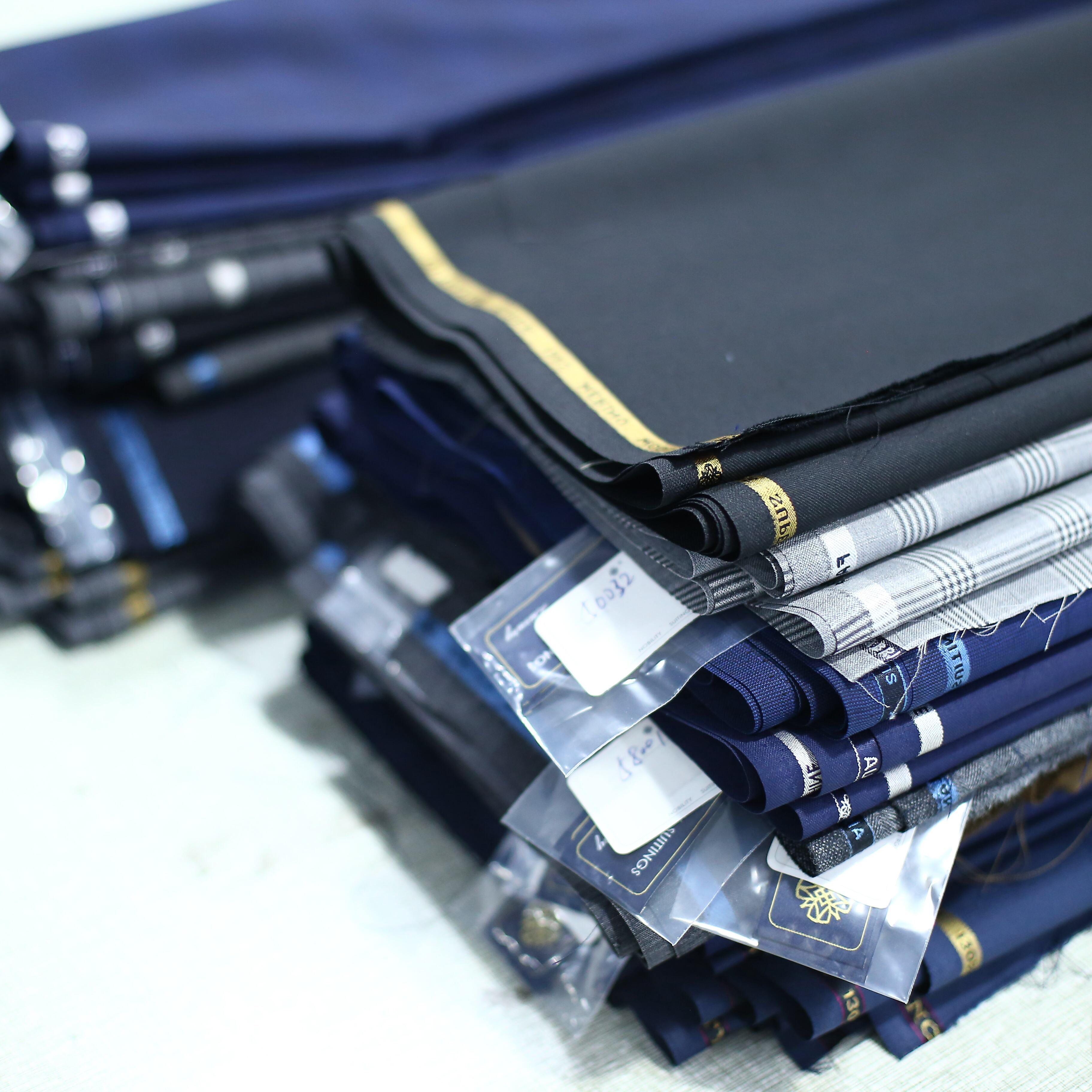
Understanding the density and weight characteristics of pure wool fabric is essential for manufacturers, designers, and procurement professionals who demand consistent quality in their textile production. The assessment process involves multiple technical parameters that directly impact the final product's performance, durability, and market positioning. Modern textile production requires precise measurements to ensure that pure wool fabric meets specific application requirements across various industries.
Fundamental Principles of Wool Fabric Density Assessment
Understanding Fabric Density Measurements
Fabric density in pure wool fabric refers to the number of threads per unit area, typically measured in threads per inch or threads per centimeter. This measurement directly correlates with the fabric's structural integrity, appearance, and functional properties. Higher density values generally indicate tighter weaving patterns that result in increased durability and reduced porosity. Professional assessment requires standardized measuring equipment and controlled environmental conditions to ensure accuracy.
The density measurement process involves counting both warp and weft threads within a predetermined area using specialized magnification tools. Industry standards typically require measurements from multiple fabric locations to account for potential variations in manufacturing consistency. These variations can significantly impact the final product's performance characteristics, making thorough assessment critical for quality control protocols.
Industry Standards and Measurement Protocols
International textile standards provide specific guidelines for measuring pure wool fabric density, including ASTM D3775 and ISO 7211-2 protocols. These standards establish consistent methodologies that ensure reproducible results across different testing facilities and geographic locations. Compliance with these standards is essential for manufacturers who supply global markets and must meet diverse regulatory requirements.
Professional testing laboratories utilize calibrated instruments and maintain controlled environmental conditions during density assessments. Temperature and humidity levels must remain within specified ranges to prevent fabric dimensional changes that could affect measurement accuracy. Documentation requirements include detailed records of testing conditions, equipment calibration dates, and operator qualifications to maintain traceability and quality assurance.
Weight Characteristics and Their Production Implications
Fabric Weight Classification Systems
Pure wool fabric weight classification follows established industry categories that range from ultra-lightweight to heavy-duty applications. Lightweight fabrics typically weigh between 180-250 grams per square meter, while medium-weight options range from 250-350 grams per square meter. Heavy-duty pure wool fabric exceeds 350 grams per square meter and serves specialized industrial applications requiring enhanced durability and thermal properties.
Understanding these weight classifications enables manufacturers to select appropriate materials for specific end-use applications. Fashion garments typically utilize lightweight to medium-weight fabrics, while technical textiles and industrial applications require heavier constructions. The relationship between weight and performance characteristics must align with intended application requirements to optimize product functionality and cost-effectiveness.
Production Impact Analysis
Fabric weight directly influences manufacturing processes including cutting efficiency, sewing requirements, and finishing procedures. Heavier pure wool fabric requires specialized equipment capable of handling increased material thickness and density. Production line modifications may include upgraded cutting tools, heavy-duty sewing machines, and enhanced pressing equipment to maintain manufacturing efficiency and product quality.
Cost implications extend beyond equipment requirements to include material handling, storage, and shipping considerations. Heavier fabrics increase transportation costs and require additional warehouse space, impacting overall production economics. Manufacturers must balance performance requirements with cost constraints to achieve optimal production efficiency while maintaining competitive market positioning.
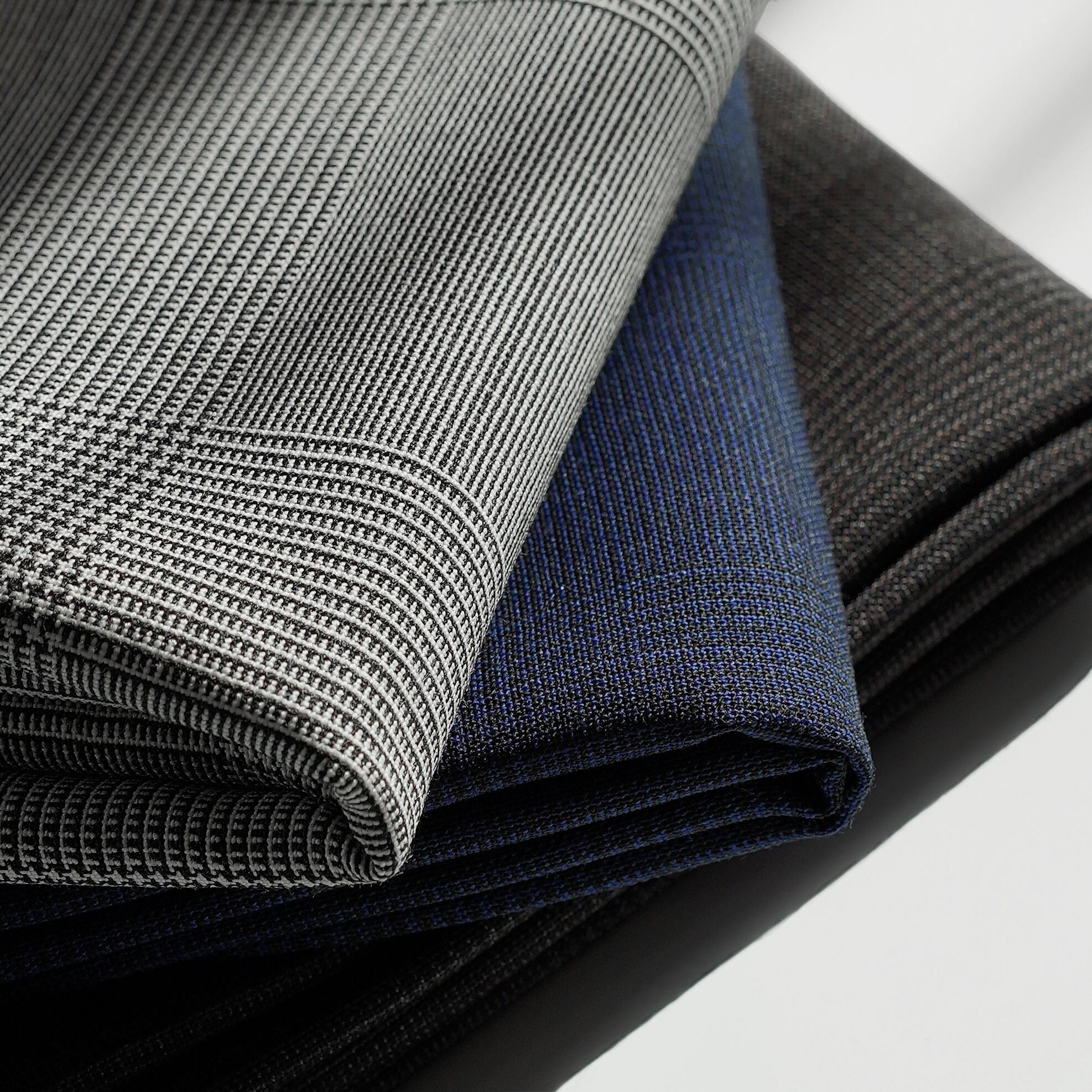
Advanced Testing Methods and Equipment
Laboratory Testing Procedures
Professional assessment of pure wool fabric requires sophisticated testing equipment including electronic balances, fabric thickness gauges, and digital microscopy systems. These instruments provide precise measurements that enable accurate density and weight calculations according to international standards. Calibration procedures must follow manufacturer specifications and industry protocols to ensure measurement reliability and repeatability.
Sample preparation techniques significantly impact testing accuracy and require careful attention to fabric conditioning and handling procedures. Specimens must be cut to precise dimensions using sharp cutting tools to prevent edge distortion that could affect weight measurements. Conditioning periods allow fabrics to reach equilibrium with laboratory environmental conditions before testing begins.
Quality Control Implementation
Effective quality control systems incorporate regular testing schedules that monitor pure wool fabric characteristics throughout production cycles. Statistical process control methods help identify trends and variations that could indicate equipment malfunctions or material quality issues. Early detection of problems prevents costly production delays and maintains consistent product quality.
Documentation systems must track testing results, environmental conditions, and equipment performance to maintain comprehensive quality records. These records support customer quality audits and regulatory compliance requirements while providing valuable data for continuous improvement initiatives. Integration with manufacturing execution systems enables real-time quality monitoring and rapid response to quality deviations.
Production Planning and Material Selection
Application-Specific Requirements
Different applications require specific combinations of density and weight characteristics in pure wool fabric to optimize performance and durability. Apparel applications typically prioritize comfort and drape characteristics, while technical textiles emphasize strength and dimensional stability. Understanding these requirements enables informed material selection decisions that align with intended end-use applications.
Market research indicates increasing demand for specialized pure wool fabric formulations that combine traditional natural fiber benefits with enhanced performance characteristics. Manufacturers must stay current with evolving application requirements and customer preferences to maintain competitive advantages in dynamic textile markets.
Supply Chain Optimization
Effective supply chain management requires accurate forecasting of pure wool fabric requirements based on density and weight specifications. Inventory management systems must account for the relationship between fabric characteristics and production lead times to prevent stockouts while minimizing carrying costs. Strategic partnerships with qualified suppliers ensure consistent material availability and quality.
Global sourcing considerations include transportation costs, quality consistency, and regulatory compliance requirements across different geographic regions. Pure wool fabric characteristics can vary based on sheep breeds, processing methods, and regional manufacturing practices, making supplier qualification and ongoing monitoring essential for maintaining product consistency.
Industry Applications and Market Trends
Traditional and Emerging Applications
Traditional applications for pure wool fabric include high-quality apparel, home textiles, and decorative fabrics where natural fiber properties provide distinct advantages over synthetic alternatives. Emerging applications in technical textiles leverage wool's natural flame resistance, moisture management, and thermal regulation properties for specialized industrial uses.
Market trends indicate growing interest in sustainable textile solutions that combine environmental responsibility with superior performance characteristics. Pure wool fabric aligns with these trends by offering renewable, biodegradable alternatives to petroleum-based synthetic fibers while maintaining excellent functional properties.
Technology Integration and Innovation
Advanced manufacturing technologies enable precise control of pure wool fabric density and weight characteristics through automated weaving systems and real-time process monitoring. These technologies improve production consistency while reducing material waste and energy consumption. Integration with digital design systems allows rapid prototyping and customization of fabric specifications to meet specific customer requirements.
Research and development initiatives focus on enhancing pure wool fabric performance through innovative processing techniques and fiber treatments. These developments expand application possibilities while maintaining the natural characteristics that distinguish wool from synthetic alternatives. Collaboration between manufacturers, research institutions, and end-users accelerates innovation and market adoption of advanced wool textile solutions.
FAQ
What equipment is needed to accurately measure pure wool fabric density
Accurate measurement of pure wool fabric density requires a fabric analysis microscope or magnifying glass with measurement capabilities, typically 10x to 20x magnification. Additional equipment includes a sharp dissecting needle for thread isolation, good lighting conditions, and a calibrated measuring device. Professional testing facilities also use automated fabric analyzers that provide digital readouts and documentation capabilities.
How does fabric weight affect production costs in manufacturing
Fabric weight significantly impacts production costs through material usage, equipment requirements, and processing time. Heavier pure wool fabric requires more raw materials, increasing base costs, while also necessitating heavy-duty sewing equipment and longer processing times. Transportation and storage costs also increase proportionally with fabric weight, affecting overall manufacturing economics.
What tolerance levels are acceptable for density variations in commercial production
Commercial production typically accepts density variations of plus or minus 3-5% from specified values for pure wool fabric. These tolerance levels depend on end-use applications, with technical textiles requiring tighter tolerances than general apparel fabrics. Quality control systems should monitor these variations continuously to ensure consistent product performance and customer satisfaction.
How often should pure wool fabric testing be performed during production
Testing frequency depends on production volume and quality requirements, but industry best practices recommend testing at the beginning of each production lot and at regular intervals throughout manufacturing. High-volume operations may require hourly testing, while smaller production runs might test every batch. Critical applications may require 100% inspection to ensure compliance with specifications.