
 EN
EN
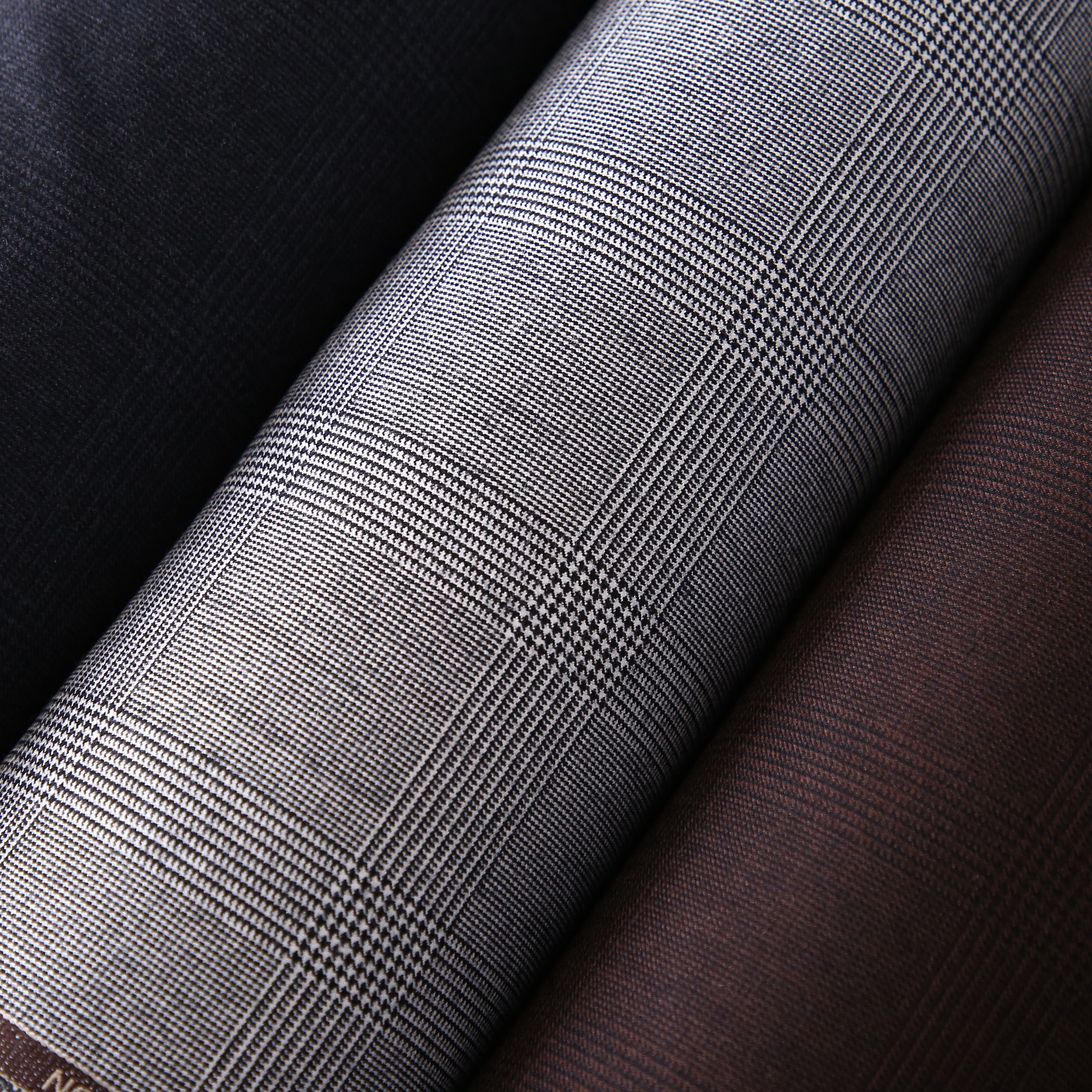
Worsted wool fabric represents one of the most versatile and durable textile materials utilized across diverse industrial manufacturing environments. This premium textile combines exceptional strength characteristics with natural fiber properties that make it particularly suitable for demanding factory applications where both performance and longevity are essential requirements.
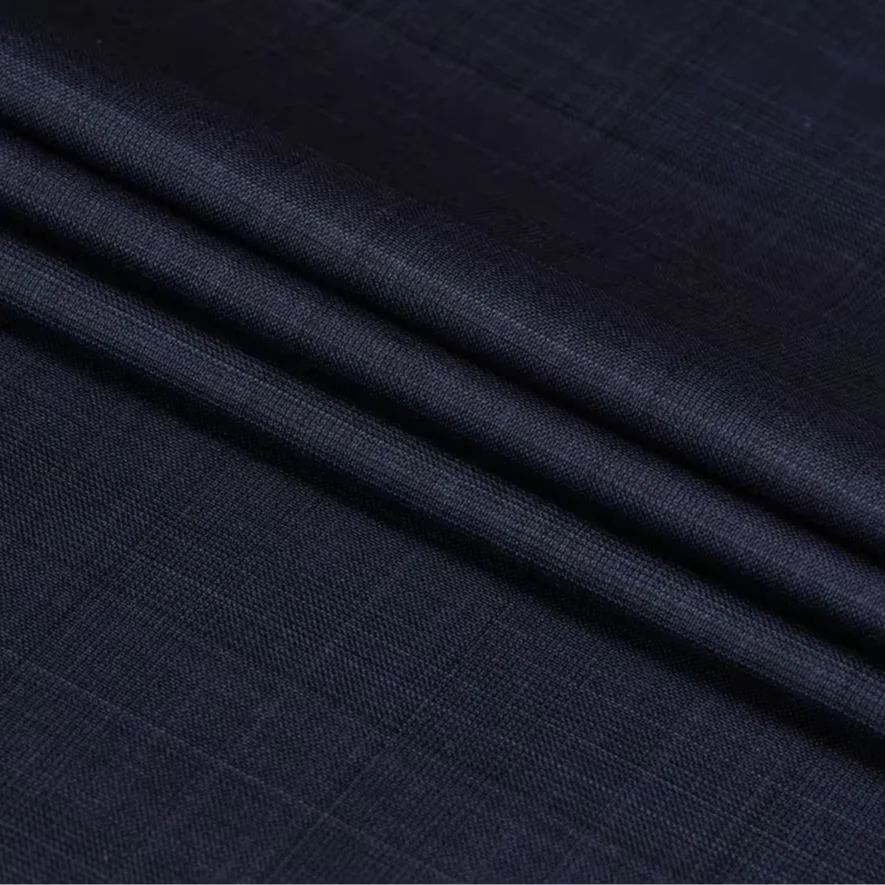
Understanding the specific factory applications of worsted wool fabric requires examining its unique manufacturing process and resulting material properties. The worsted spinning technique creates smooth, strong yarns that translate into fabrics with superior dimensional stability, excellent drape characteristics, and remarkable resistance to wear patterns commonly encountered in industrial settings.
Industrial Textile Manufacturing Applications
Technical Fabric Production Systems
Modern textile manufacturing facilities extensively utilize worsted wool fabric as a foundation material for producing specialized technical fabrics. These facilities leverage the inherent strength and processability of worsted wool fabric to create composite materials that meet stringent industrial specifications. The manufacturing process involves integrating worsted wool fabric with synthetic reinforcement layers to produce materials suitable for automotive interiors, aircraft cabin components, and marine upholstery applications.
Quality control departments in textile factories rely on worsted wool fabric consistency to maintain production standards across large manufacturing runs. The uniform fiber alignment achieved through worsted processing ensures predictable material behavior during subsequent manufacturing operations, reducing waste rates and improving overall production efficiency. Factory managers often specify worsted wool fabric for projects requiring precise dimensional control and consistent surface characteristics.
Finishing and Treatment Operations
Fabric finishing facilities incorporate worsted wool fabric into specialized treatment processes that enhance performance characteristics for specific end-use applications. These operations include flame-retardant treatments, water-resistant coatings, and antimicrobial finishes that expand the utility of worsted wool fabric in demanding environments. The stable fiber structure of worsted wool fabric allows for consistent penetration and adhesion of treatment chemicals.
Industrial pressing and calendering operations benefit from the dimensional stability inherent in worsted wool fabric construction. Factory equipment can process this material at higher speeds and pressures without experiencing the distortion issues common with loosely constructed fabrics. This reliability makes worsted wool fabric a preferred choice for high-volume finishing operations.
Apparel and Uniform Manufacturing Facilities
Corporate Uniform Production Lines
Large-scale apparel manufacturing facilities depend on worsted wool fabric for producing professional uniforms that must maintain appearance and functionality over extended wear periods. These factories process thousands of garments daily, requiring materials that can withstand industrial cutting, sewing, and pressing operations without compromising fabric integrity. The smooth surface texture of worsted wool fabric facilitates efficient movement through automated cutting systems.
Pattern matching and grain alignment operations in uniform factories achieve superior results when working with worsted wool fabric due to its consistent weave structure and stable dimensional properties. Production planners can optimize fabric utilization rates because worsted wool fabric exhibits minimal shrinkage variation between production lots, enabling accurate yield calculations and reduced material waste.
Specialized Garment Assembly Operations
Factory assembly lines producing formal wear and business attire utilize worsted wool fabric for its exceptional tailoring characteristics. The material responds predictably to pressing operations, maintains sharp creases, and resists distortion during construction processes. Sewing machine operators report fewer thread breaks and needle deflection issues when working with properly prepared worsted wool fabric.
Quality assurance departments in garment factories establish specific testing protocols for worsted wool fabric to ensure consistency across production batches. These tests evaluate fabric weight, thread count, tensile strength, and color fastness parameters that directly impact finished garment performance. The standardized properties of worsted wool fabric simplify quality control procedures and reduce inspection time requirements.
Automotive and Transportation Industry Applications
Interior Component Manufacturing
Automotive manufacturing facilities integrate worsted wool fabric into interior component production systems where durability and appearance retention are critical performance factors. These facilities utilize specialized laminating equipment to bond worsted wool fabric to foam substrates, creating seat covers and door panel materials that meet automotive industry safety and performance standards.
The natural flame-resistant properties of worsted wool fabric make it particularly valuable in transportation manufacturing applications where fire safety regulations require specific material performance characteristics. Factory testing laboratories evaluate worsted wool fabric samples for compliance with automotive flammability standards, ensuring consistent material performance across production runs.
Commercial Vehicle Upholstery Production
Manufacturing facilities producing commercial vehicle interiors rely on worsted wool fabric for applications requiring extended service life and minimal maintenance requirements. The material's resistance to pilling and surface abrasion makes it suitable for high-use environments typical in commercial transportation applications. Factory production schedules can maintain consistent output rates because worsted wool fabric exhibits predictable processing characteristics.
Upholstery manufacturing operations utilize worsted wool fabric in combination with engineered foam systems to create seating products that maintain comfort and appearance over extended service periods. The stable weave structure of worsted wool fabric prevents delamination issues that can occur with less stable textile materials during manufacturing and subsequent use.
Specialized Industrial Manufacturing Applications
Filter and Separation System Production
Industrial filter manufacturing facilities incorporate worsted wool fabric into specialized filtration products where natural fiber properties provide advantages over synthetic alternatives. The controlled porosity achievable with worsted wool fabric construction enables manufacturers to produce filters with specific flow characteristics and particle retention capabilities. Factory quality control systems monitor worsted wool fabric properties to ensure consistent filter performance.
Manufacturing processes for industrial separation systems utilize worsted wool fabric as a component in multi-layer filtration assemblies. The material's dimensional stability under varying temperature and humidity conditions makes it suitable for applications where consistent performance is essential. Production facilities can maintain tight manufacturing tolerances when incorporating worsted wool fabric into these specialized products.
Insulation and Thermal Management Products
Factories producing thermal insulation products utilize worsted wool fabric for applications requiring natural thermal regulation properties combined with structural integrity. The manufacturing process involves layering worsted wool fabric with other insulating materials to create composite products suitable for industrial equipment insulation and building envelope applications.
Industrial manufacturing operations producing thermal management textiles rely on the consistent properties of worsted wool fabric to achieve predictable product performance. The material's natural crimp structure provides insulating capabilities while maintaining sufficient structural strength to withstand manufacturing processes and end-use applications. Factory production planning can optimize throughput rates because worsted wool fabric exhibits reliable processing characteristics.
FAQ
What makes worsted wool fabric particularly suitable for factory manufacturing applications?
Worsted wool fabric offers exceptional dimensional stability, consistent processing characteristics, and predictable material behavior that are essential for efficient factory operations. The smooth yarn construction and uniform weave structure enable reliable performance in automated manufacturing equipment, reducing production delays and maintaining quality standards across large production runs.
How do factories ensure consistent quality when using worsted wool fabric in production?
Manufacturing facilities implement comprehensive quality control protocols that evaluate worsted wool fabric properties including weight consistency, thread count uniformity, tensile strength, and dimensional stability. These standardized testing procedures ensure that incoming materials meet production specifications and will perform predictably during manufacturing operations.
Which specific properties of worsted wool fabric benefit high-volume manufacturing operations?
The key properties include excellent dimensional stability that prevents distortion during processing, smooth surface texture that facilitates efficient cutting operations, consistent thickness that enables accurate pattern matching, and predictable shrinkage characteristics that support accurate yield calculations and reduced material waste in factory production environments.
Can worsted wool fabric be processed using standard industrial manufacturing equipment?
Yes, worsted wool fabric is compatible with standard industrial textile manufacturing equipment including automated cutting systems, industrial sewing machines, pressing equipment, and finishing machinery. The stable construction and consistent properties of worsted wool fabric actually improve equipment performance by reducing maintenance requirements and operational disruptions common with less stable materials.
Table of Contents
- Industrial Textile Manufacturing Applications
- Apparel and Uniform Manufacturing Facilities
- Automotive and Transportation Industry Applications
- Specialized Industrial Manufacturing Applications
-
FAQ
- What makes worsted wool fabric particularly suitable for factory manufacturing applications?
- How do factories ensure consistent quality when using worsted wool fabric in production?
- Which specific properties of worsted wool fabric benefit high-volume manufacturing operations?
- Can worsted wool fabric be processed using standard industrial manufacturing equipment?