
 EN
EN
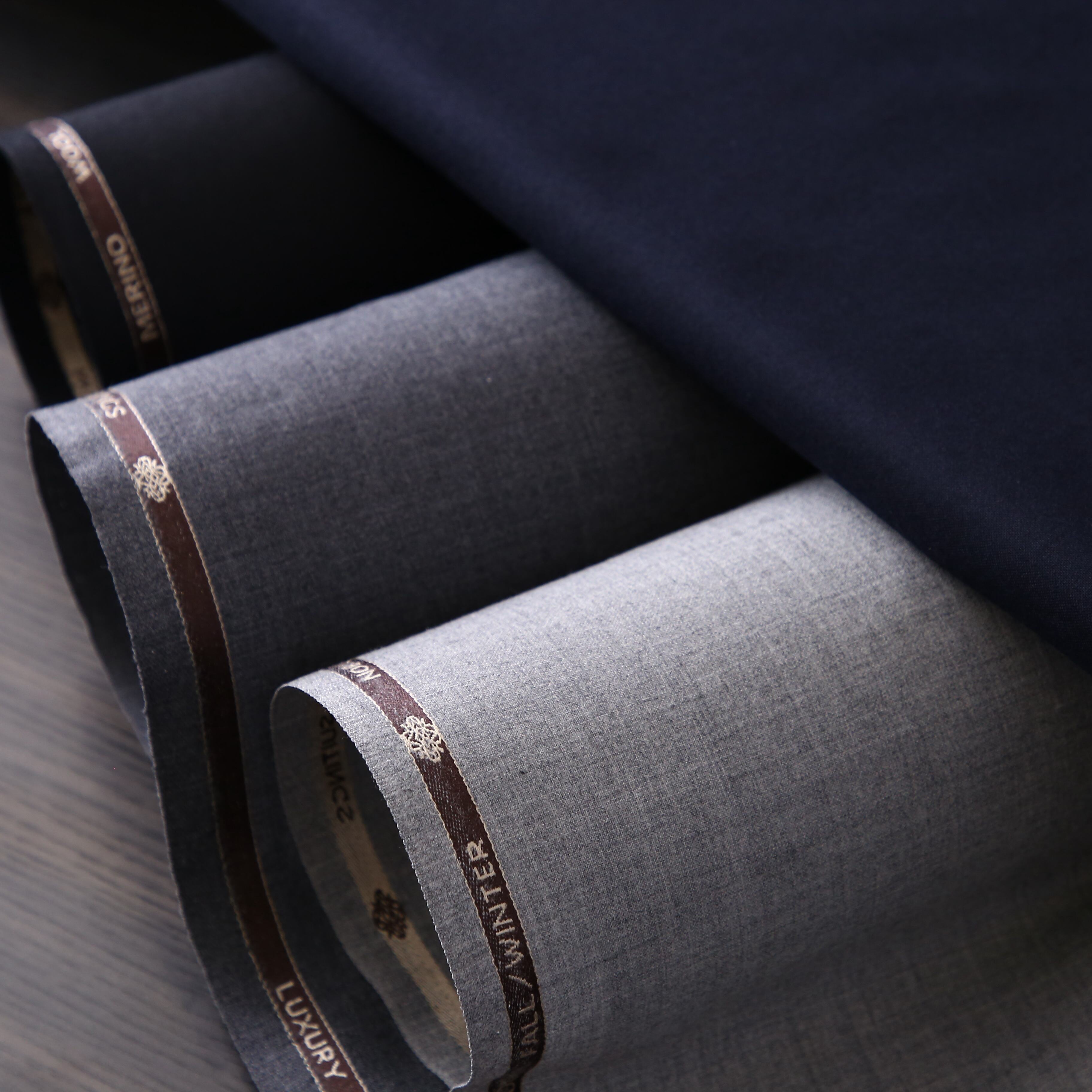
Understanding how to properly assess a worsted wool fabric supplier's production capacity is crucial for fashion brands, textile manufacturers, and procurement professionals who require consistent, high-quality fabric deliveries. When evaluating potential suppliers for worsted wool fabric, production capacity assessment goes far beyond simply asking about monthly output numbers. It involves a comprehensive analysis of manufacturing infrastructure, quality control systems, raw material sourcing capabilities, and operational scalability to ensure your supplier can meet both current demands and future growth requirements.
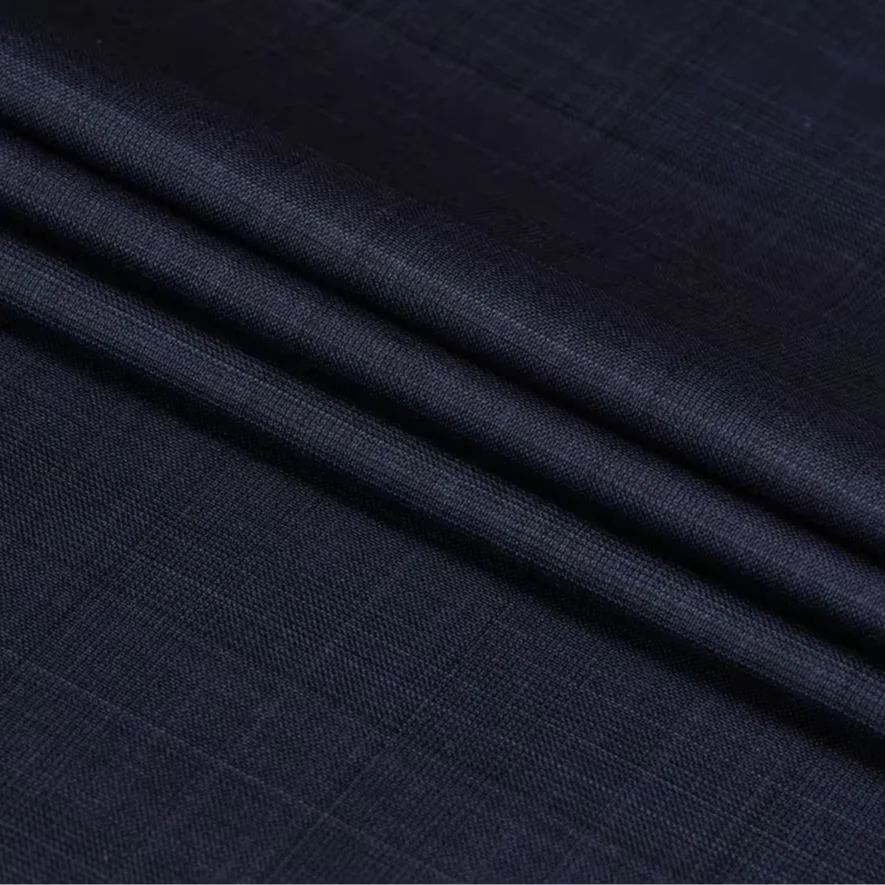
The evaluation process requires a systematic approach that examines multiple dimensions of a supplier's operational capabilities. From machinery specifications and workforce expertise to inventory management and quality assurance protocols, each element contributes to the overall production capacity picture. This comprehensive assessment methodology helps buyers make informed decisions that protect their supply chain integrity while ensuring consistent access to premium worsted wool fabric that meets their specific quality standards and delivery timelines.
Understanding Production Infrastructure Requirements
Manufacturing Equipment Assessment
The foundation of any worsted wool fabric supplier's production capacity lies in their manufacturing equipment capabilities. Modern worsted wool production requires sophisticated machinery including combing machines, drawing frames, spinning equipment, and weaving looms specifically designed for fine wool processing. When evaluating a supplier's infrastructure, examine the age, condition, and technological sophistication of their equipment, as newer machinery typically offers better efficiency, consistency, and quality control for worsted wool fabric production.
Pay particular attention to the supplier's weaving capacity, as this often represents the bottleneck in worsted wool fabric production. Assess the number of operational looms, their weaving speeds, and compatibility with different worsted wool fabric constructions. Suppliers with diverse loom capabilities can handle various fabric weights, weave patterns, and finishing requirements, providing greater flexibility for your specific worsted wool fabric needs.
Additionally, evaluate the supplier's maintenance protocols and equipment downtime records. Well-maintained machinery ensures consistent production schedules and quality standards for worsted wool fabric manufacturing. Request information about planned maintenance schedules, backup equipment availability, and historical uptime percentages to understand how equipment reliability impacts overall production capacity.
Facility Layout and Workflow Optimization
Efficient facility design significantly impacts a supplier's ability to maximize worsted wool fabric production capacity. Examine the physical layout of the manufacturing facility, focusing on workflow optimization from raw wool processing through final fabric finishing. Well-designed facilities minimize material handling time, reduce production bottlenecks, and enable smooth transitions between different stages of worsted wool fabric manufacturing.
Assess the supplier's storage and inventory management capabilities, particularly for raw materials and finished worsted wool fabric. Adequate storage space ensures consistent production flow without interruptions due to material shortages or finished goods backlogs. Consider the facility's climate control systems, as proper temperature and humidity management is essential for maintaining wool fiber quality throughout the worsted wool fabric production process.
Evaluate the supplier's capacity for concurrent production of different worsted wool fabric specifications. Flexible facilities can efficiently switch between different yarn counts, fabric weights, and finishing requirements without significant downtime. This operational flexibility directly impacts the supplier's ability to meet diverse customer requirements while maintaining efficient production schedules for worsted wool fabric orders.
Analyzing Raw Material Supply Chain Capabilities
Wool Sourcing and Inventory Management
A supplier's raw material sourcing capabilities fundamentally determine their worsted wool fabric production capacity and consistency. Evaluate the supplier's relationships with wool producers, focusing on the quality and reliability of their supply sources. Established suppliers typically maintain long-term partnerships with premium wool producers, ensuring consistent access to high-grade raw materials essential for quality worsted wool fabric manufacturing.
Examine the supplier's inventory management systems for raw wool materials. Adequate raw material inventory buffers protect against supply chain disruptions and seasonal variations in wool availability. Suppliers with sophisticated inventory tracking systems can better predict and prevent production delays caused by raw material shortages, ensuring consistent worsted wool fabric delivery schedules.
Assess the supplier's quality control processes for incoming raw materials. Rigorous wool grading and testing protocols ensure that only suitable fibers enter the worsted wool fabric production process. Suppliers who invest in comprehensive raw material quality control typically deliver more consistent fabric quality and can better maintain production schedules without quality-related delays.
Supply Chain Risk Management
Understanding a supplier's approach to supply chain risk management reveals their ability to maintain consistent worsted wool fabric production under various challenging conditions. Evaluate their diversification strategies for raw material sources, backup supplier relationships, and contingency planning for supply disruptions. Suppliers with robust risk management frameworks can maintain production capacity even when facing unexpected supply chain challenges.
Examine the supplier's geographic diversification of wool sources and their understanding of seasonal patterns in wool availability. Suppliers who source from multiple regions and maintain strategic inventory levels can better manage seasonal fluctuations that might otherwise impact worsted wool fabric production capacity. This diversification strategy also provides protection against regional disruptions such as weather events or political instability.
Consider the supplier's financial stability and relationships with raw material providers. Strong financial positions enable suppliers to secure favorable terms with wool producers and maintain adequate inventory levels. Suppliers with good payment histories and strong industry relationships typically receive priority treatment from raw material suppliers, ensuring consistent access to quality materials for worsted wool fabric production.
Quality Control Systems and Standards
Production Quality Assurance Protocols
Comprehensive quality control systems directly impact a supplier's effective production capacity by minimizing waste, reducing rework requirements, and ensuring consistent output quality. When evaluating worsted wool fabric suppliers, examine their quality assurance protocols at each production stage, from raw material inspection through final fabric finishing. Suppliers with robust quality systems typically achieve higher yields and more predictable production schedules.
Assess the supplier's testing capabilities and equipment for worsted wool fabric quality verification. Modern testing equipment enables suppliers to identify quality issues early in the production process, preventing downstream problems that could impact overall production capacity. Look for suppliers who maintain comprehensive testing protocols covering fabric weight, strength, dimensional stability, and other critical parameters specific to worsted wool fabric applications.
Evaluate the supplier's approach to continuous improvement and process optimization. Suppliers who actively monitor production metrics and implement improvements typically achieve better capacity utilization and more consistent worsted wool fabric quality. Review their quality management certifications and adherence to international standards, as these indicate systematic approaches to quality control that support reliable production capacity.
Defect Prevention and Corrective Action Systems
Understanding how suppliers prevent and address quality issues provides insight into their true production capacity and reliability. Examine the supplier's defect tracking systems and root cause analysis capabilities for worsted wool fabric production problems. Suppliers with effective defect prevention systems maintain higher effective capacity by minimizing production losses and customer returns.
Assess the supplier's corrective action protocols and their ability to quickly address quality issues without significantly impacting production schedules. Suppliers with well-developed problem-solving capabilities can maintain consistent worsted wool fabric delivery schedules even when addressing quality concerns. Review their historical data on defect rates, correction times, and customer satisfaction metrics to understand their quality performance patterns.
Consider the supplier's investment in employee training and quality awareness programs. Well-trained personnel are essential for maintaining consistent worsted wool fabric quality and maximizing production efficiency. Suppliers who invest in ongoing training typically achieve better quality outcomes and more stable production capacity over time.
Workforce Capacity and Technical Expertise
Skilled Labor Assessment
The availability and expertise of skilled workers significantly influence a supplier's worsted wool fabric production capacity. Evaluate the supplier's workforce size, skill levels, and experience specifically with worsted wool processing. Experienced workers in wool textile manufacturing possess specialized knowledge essential for maintaining quality standards and maximizing production efficiency in worsted wool fabric operations.
Examine the supplier's employee retention rates and training programs. High employee turnover can severely impact production consistency and capacity utilization for worsted wool fabric manufacturing. Suppliers with stable workforces and comprehensive training programs typically maintain more reliable production schedules and consistent quality standards.
Assess the supplier's management structure and technical leadership capabilities. Strong technical management ensures effective coordination of production activities and quick resolution of operational issues that could impact worsted wool fabric production capacity. Look for suppliers with experienced management teams who understand the complexities of wool textile manufacturing and can effectively optimize production processes.
Production Flexibility and Scalability
Understanding a supplier's workforce flexibility and ability to scale operations provides insight into their capacity to handle varying demand levels for worsted wool fabric orders. Evaluate their ability to adjust production schedules, manage overtime requirements, and potentially expand workforce capacity during peak demand periods.
Examine the supplier's cross-training programs and workforce versatility. Workers who can perform multiple functions within the worsted wool fabric production process provide greater operational flexibility and help maintain production flow even when facing personnel challenges in specific areas. This flexibility directly impacts the supplier's effective production capacity and reliability.
Consider the supplier's relationships with local labor markets and their ability to recruit qualified personnel for expansion needs. Suppliers located in regions with strong textile industry presence typically have better access to skilled workers experienced in worsted wool fabric manufacturing, supporting their ability to scale operations when needed.
Financial Stability and Investment Capacity
Financial Health Evaluation
A supplier's financial stability directly impacts their ability to maintain and expand worsted wool fabric production capacity over time. Evaluate key financial indicators including cash flow, debt levels, and profitability trends to assess the supplier's long-term viability. Financially stable suppliers are better positioned to invest in equipment maintenance, technology upgrades, and capacity expansion initiatives.
Examine the supplier's credit ratings and payment history with other business partners. Strong financial credentials indicate the supplier's ability to secure favorable terms with raw material providers and maintain adequate working capital for consistent worsted wool fabric production. Suppliers with good financial standings typically receive priority treatment from suppliers and can better weather economic fluctuations.
Assess the supplier's investment history in facility improvements and equipment upgrades. Regular investments in production infrastructure demonstrate the supplier's commitment to maintaining competitive worsted wool fabric manufacturing capabilities. Suppliers who consistently reinvest in their operations typically maintain better production efficiency and quality standards over time.
Growth and Expansion Capabilities
Understanding a supplier's capacity for growth and expansion helps evaluate their ability to support your long-term worsted wool fabric requirements. Examine their strategic planning processes and historical patterns of capacity expansion. Suppliers with clear growth strategies and successful expansion histories are better positioned to scale their worsted wool fabric production capabilities alongside your business growth.
Evaluate the supplier's access to capital markets and funding sources for expansion projects. Suppliers with strong banking relationships and access to investment capital can more readily pursue capacity expansion initiatives when market demand justifies such investments. This financial flexibility ensures they can grow their worsted wool fabric production capabilities to meet evolving customer needs.
Consider the supplier's market position and competitive advantages that support sustainable growth. Suppliers with strong market positions and unique capabilities in worsted wool fabric manufacturing are more likely to attract the investment needed for continued capacity expansion and technological advancement.
FAQ
What specific production metrics should I request when evaluating worsted wool fabric suppliers?
Request detailed information including monthly production capacity in linear meters, average lead times for different order sizes, machine utilization rates, and quality metrics such as first-pass yield rates. Also ask for capacity allocation data showing how much production capacity is typically committed to existing customers versus available for new orders. These metrics provide concrete data for comparing different worsted wool fabric suppliers and understanding their true available capacity for your requirements.
How can I verify the accuracy of production capacity claims made by worsted wool fabric suppliers?
Conduct on-site facility visits to observe actual production operations and verify equipment capabilities. Request references from current customers with similar order volumes and complexity requirements. Review production records and delivery performance data for existing customers. You can also engage third-party audit services to independently assess the supplier's worsted wool fabric production capabilities and validate their capacity claims through professional evaluation methods.
What warning signs indicate potential production capacity issues with worsted wool fabric suppliers?
Key warning signs include reluctance to provide facility tours, inability to provide detailed production schedules or capacity utilization data, frequent delivery delays reported by current customers, and aging equipment without clear maintenance or replacement plans. Also be cautious of suppliers who seem overcommitted with long lead times or those who cannot clearly explain their capacity allocation between different customers and product lines for worsted wool fabric production.
How should seasonal variations affect my evaluation of worsted wool fabric supplier capacity?
Consider how seasonal factors affect both raw material availability and production demand cycles in the worsted wool fabric industry. Evaluate the supplier's ability to manage seasonal fluctuations through inventory planning, flexible workforce arrangements, and diversified product portfolios. Understanding seasonal capacity variations helps you plan orders appropriately and ensures the supplier can meet your requirements during both peak and off-peak periods throughout the year.
Table of Contents
- Understanding Production Infrastructure Requirements
- Analyzing Raw Material Supply Chain Capabilities
- Quality Control Systems and Standards
- Workforce Capacity and Technical Expertise
- Financial Stability and Investment Capacity
-
FAQ
- What specific production metrics should I request when evaluating worsted wool fabric suppliers?
- How can I verify the accuracy of production capacity claims made by worsted wool fabric suppliers?
- What warning signs indicate potential production capacity issues with worsted wool fabric suppliers?
- How should seasonal variations affect my evaluation of worsted wool fabric supplier capacity?