
 EN
EN
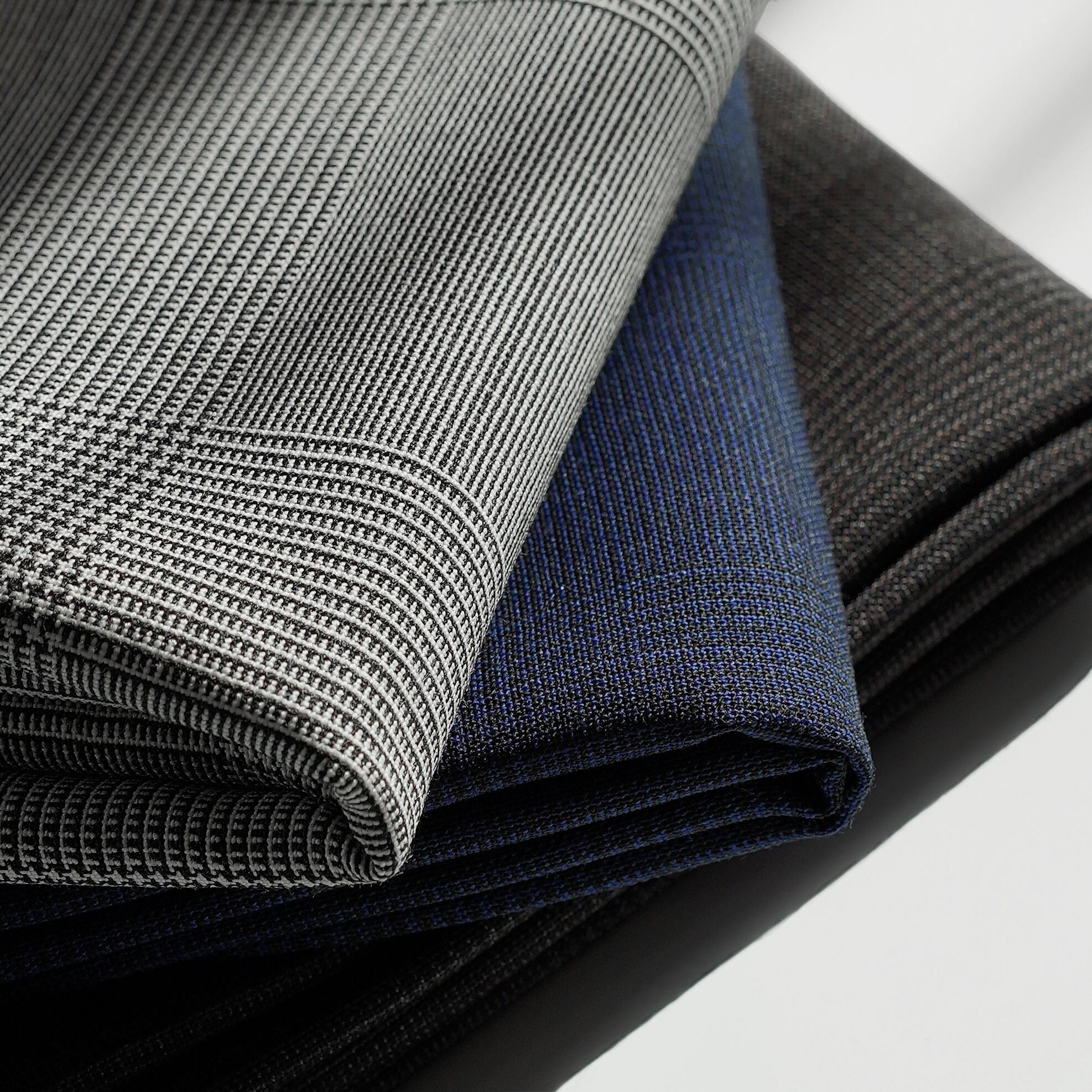
The question of cost-effectiveness in pure wool sourcing has become increasingly critical for OEM and ODM manufacturers serving high-end apparel markets. While pure wool commands premium pricing compared to synthetic alternatives, its unique properties and market positioning can deliver substantial returns when properly integrated into manufacturing strategies. Understanding the comprehensive cost structure beyond raw material pricing reveals how pure wool can enhance profitability through reduced processing complexities, improved product positioning, and enhanced customer retention in luxury segments.

For manufacturers evaluating pure wool integration, the cost-effectiveness equation extends far beyond initial material investments to encompass production efficiency gains, quality premiums, and long-term client relationships. The inherent properties of pure wool often reduce downstream processing costs while enabling manufacturers to access higher-margin market segments that justify premium pricing structures. This comprehensive analysis examines the multifaceted cost implications and value propositions that determine whether pure wool represents a strategic investment for OEM and ODM operations targeting discerning clientele.
Cost Structure Analysis of Pure Wool in Manufacturing Operations
Raw Material Investment Considerations
The initial cost assessment for pure wool requires understanding that premium raw materials often translate to reduced processing expenses throughout the manufacturing cycle. Pure wool fibers typically require fewer chemical treatments and processing steps compared to synthetic alternatives, resulting in lower operational costs for dyeing, finishing, and quality control processes. The natural properties of pure wool, including its inherent elasticity and moisture management capabilities, reduce the need for additional treatments that synthetic materials often require to achieve comparable performance characteristics.
Manufacturing efficiency gains become evident when considering that pure wool's natural crimp and fiber structure facilitate easier handling during spinning and weaving operations. This translates to reduced machine wear, lower energy consumption during processing, and decreased waste generation throughout production cycles. The superior workability of pure wool often compensates for higher raw material costs through improved throughput and reduced processing time requirements.
Quality control costs also demonstrate favorable economics with pure wool, as the material's consistent natural properties reduce variability in production outcomes. The reduced need for extensive quality testing and rework processes contributes to overall cost-effectiveness, particularly for manufacturers focusing on consistent high-end output where quality variations can be costly to address.
Processing Efficiency and Production Costs
The processing characteristics of pure wool contribute significantly to overall manufacturing cost-effectiveness through reduced complexity in production workflows. Natural wool fibers require less aggressive chemical processing compared to synthetic alternatives, resulting in lower chemical costs, reduced environmental compliance expenses, and simplified waste management protocols. These factors combine to create substantial operational savings that offset higher raw material investments.
Energy consumption patterns in pure wool processing also favor cost-effectiveness, particularly in dyeing and finishing operations where natural wool fibers accept dyes more readily and at lower temperatures than many synthetic alternatives. This translates to measurable reductions in energy costs throughout production cycles, contributing to improved margins while supporting sustainability initiatives that increasingly influence purchasing decisions in high-end markets.
Machine maintenance and operational costs benefit from pure wool's processing characteristics, as the natural lubricity and fiber structure of wool reduce mechanical stress on production equipment. This results in extended equipment life, reduced maintenance frequency, and lower replacement part costs compared to processing synthetic materials that may generate more abrasive conditions during manufacturing.
Market Positioning and Premium Value Capture
Price Premium Justification in High-End Markets
The market positioning advantages of pure wool enable OEM and ODM manufacturers to capture significant price premiums that substantially improve the cost-effectiveness equation. High-end apparel brands consistently demonstrate willingness to pay premium pricing for authentic natural fibers, with pure wool commanding some of the highest premiums in the textile market. This premium positioning allows manufacturers to achieve margins that more than compensate for higher raw material costs.
Consumer perception studies consistently show that pure wool carries inherent quality associations that support premium pricing strategies. The natural properties of pure wool, including temperature regulation, durability, and luxury hand-feel, create tangible value propositions that justify higher pricing to end consumers. This consumer acceptance translates directly to improved profitability for manufacturers who can successfully position their pure wool products in appropriate market segments.
Brand differentiation opportunities with pure wool create competitive advantages that support sustained premium positioning. The authenticity and performance characteristics of natural wool fibers enable manufacturers to develop unique selling propositions that resist commoditization pressures common in synthetic fiber markets. This differentiation capability supports long-term profitability and client retention in competitive high-end segments.
Client Retention and Long-Term Value Creation
The performance characteristics of pure wool contribute to enhanced client satisfaction and retention, creating long-term value that significantly impacts cost-effectiveness calculations. Products manufactured with high-quality pure wool typically demonstrate superior durability and aging characteristics compared to synthetic alternatives, resulting in positive end-user experiences that support brand loyalty and repeat business for manufacturing partners.
Quality consistency achievements with pure wool enable manufacturers to build reputation advantages that translate to premium pricing power and reduced customer acquisition costs. The natural properties of pure wool provide inherent quality assurance that supports predictable product performance, reducing warranty claims and customer service expenses while building trust relationships that support long-term business development.
Supply chain reliability advantages emerge from established pure wool sourcing networks that provide consistent quality and availability. This reliability supports improved production planning, reduced inventory carrying costs, and enhanced ability to meet delivery commitments that are critical for maintaining high-end client relationships. The mature infrastructure supporting pure wool supply chains often provides cost advantages through established logistics and quality assurance systems.
Operational Efficiency and Quality Advantages
Production Workflow Optimization
The inherent properties of pure wool facilitate streamlined production workflows that contribute significantly to overall cost-effectiveness in high-end manufacturing operations. Pure wool fibers naturally accept various finishing treatments without extensive preparation, reducing the number of processing steps required to achieve desired product characteristics. This workflow simplification translates to reduced labor costs, shorter production cycles, and improved capacity utilization across manufacturing facilities.
Quality control processes benefit from the consistent characteristics of pure wool, enabling manufacturers to implement more efficient inspection protocols and reduce quality-related delays. The natural properties of pure wool provide reliable performance indicators that simplify quality assessment procedures, reducing inspection time requirements and minimizing quality-related production disruptions that can be costly in high-end manufacturing environments.
Inventory management advantages emerge from the stable characteristics of pure wool, which maintains quality during storage and handling better than many synthetic alternatives. This stability reduces inventory turnover pressures, minimizes waste from degraded materials, and supports more flexible production scheduling that can accommodate varying client demands without compromising quality standards.
Waste Reduction and Sustainability Benefits
The processing characteristics of pure wool contribute to significant waste reduction opportunities that improve overall cost-effectiveness through material efficiency gains. Pure wool's natural biodegradability and recyclability create value recovery opportunities from production waste that are not available with synthetic alternatives. This waste value recovery can offset raw material costs while supporting environmental compliance objectives that are increasingly important for high-end brand partnerships.
Energy efficiency advantages in pure wool processing contribute to reduced operational costs while supporting sustainability initiatives that enhance market positioning. The lower energy requirements for pure wool dyeing and finishing processes result in measurable cost savings that accumulate throughout production cycles, particularly for manufacturers processing large volumes of high-end apparel materials.
Chemical usage optimization with pure wool reduces both direct chemical costs and environmental compliance expenses. The natural affinity of pure wool for dyes and finishes reduces the quantities of chemicals required to achieve desired results, while the reduced environmental impact supports simplified waste management protocols that can significantly reduce operational costs in regulated manufacturing environments.
Strategic Implementation and ROI Considerations
Investment Planning and Cost Recovery Timelines
Successful implementation of pure wool in OEM and ODM operations requires strategic planning that accounts for both immediate cost impacts and long-term return opportunities. The initial investment in pure wool typically requires 3-6 months to demonstrate full cost-effectiveness benefits as production processes optimize and market positioning advantages develop. This timeline consideration is crucial for manufacturers planning pure wool integration strategies that balance short-term cost pressures with long-term profitability objectives.
ROI calculations for pure wool implementation should incorporate the full range of cost benefits including reduced processing expenses, quality improvements, and premium pricing opportunities. Comprehensive analysis typically shows positive returns within 12-18 months for manufacturers who successfully position pure wool products in appropriate high-end market segments. The key success factor involves aligning pure wool investments with client bases that value and will pay for natural fiber performance characteristics.
Risk mitigation strategies for pure wool implementation include diversified sourcing arrangements and gradual integration approaches that minimize exposure while building expertise. These strategies help ensure that pure wool investments deliver expected returns while providing flexibility to adjust implementation based on market response and operational experience. Successful manufacturers typically develop pure wool capabilities incrementally while building market relationships that support premium positioning.
Market Segment Alignment and Scalability
The cost-effectiveness of pure wool strongly correlates with appropriate market segment targeting, requiring manufacturers to align pure wool investments with client bases that value natural fiber performance characteristics. High-end fashion brands, luxury outdoor apparel manufacturers, and premium corporate clothing suppliers typically provide the best opportunities for realizing pure wool cost-effectiveness benefits through their willingness to pay premium pricing for quality materials.
Scalability considerations for pure wool operations involve building production capabilities that can efficiently handle varying volumes while maintaining quality standards. The natural properties of pure wool support scalable processing approaches that can accommodate both small-batch custom orders and larger production runs without compromising quality or cost-effectiveness. This flexibility is crucial for OEM and ODM manufacturers serving diverse client requirements.
Long-term market trend alignment supports pure wool cost-effectiveness through growing consumer preference for natural and sustainable materials. This trend provides expanding market opportunities for manufacturers invested in pure wool capabilities, supporting sustained demand for premium natural fiber products that justify the higher costs associated with pure wool sourcing and processing.
FAQ
What is the typical cost premium for pure wool compared to synthetic alternatives in OEM manufacturing?
Pure wool typically carries a 40-80% cost premium over synthetic alternatives in raw material pricing, but this premium is often offset by reduced processing costs, lower energy consumption, and the ability to command 20-50% higher finished product pricing in high-end market segments. The net cost-effectiveness depends on successful market positioning and operational efficiency gains.
How long does it take to see ROI from pure wool implementation in apparel manufacturing?
Most OEM and ODM manufacturers see positive ROI from pure wool implementation within 12-18 months when properly positioned in high-end market segments. Initial cost recovery typically begins within 3-6 months as production processes optimize and premium pricing strategies take effect. The timeline depends heavily on market segment alignment and client base characteristics.
Can pure wool processing reduce overall manufacturing costs despite higher raw material prices?
Yes, pure wool processing often reduces overall manufacturing costs through lower chemical usage, reduced energy consumption in dyeing and finishing, simplified quality control processes, and decreased waste generation. These operational efficiencies, combined with premium pricing opportunities, frequently result in better overall margins despite higher raw material investments.
What market segments provide the best cost-effectiveness opportunities for pure wool in OEM operations?
High-end fashion brands, luxury outdoor apparel manufacturers, premium corporate clothing suppliers, and artisanal fashion labels provide the best cost-effectiveness opportunities for pure wool. These segments typically value natural fiber performance characteristics and are willing to pay premium pricing that justifies the higher costs associated with pure wool sourcing and processing.
Table of Contents
- Cost Structure Analysis of Pure Wool in Manufacturing Operations
- Market Positioning and Premium Value Capture
- Operational Efficiency and Quality Advantages
- Strategic Implementation and ROI Considerations
-
FAQ
- What is the typical cost premium for pure wool compared to synthetic alternatives in OEM manufacturing?
- How long does it take to see ROI from pure wool implementation in apparel manufacturing?
- Can pure wool processing reduce overall manufacturing costs despite higher raw material prices?
- What market segments provide the best cost-effectiveness opportunities for pure wool in OEM operations?