
 EN
EN
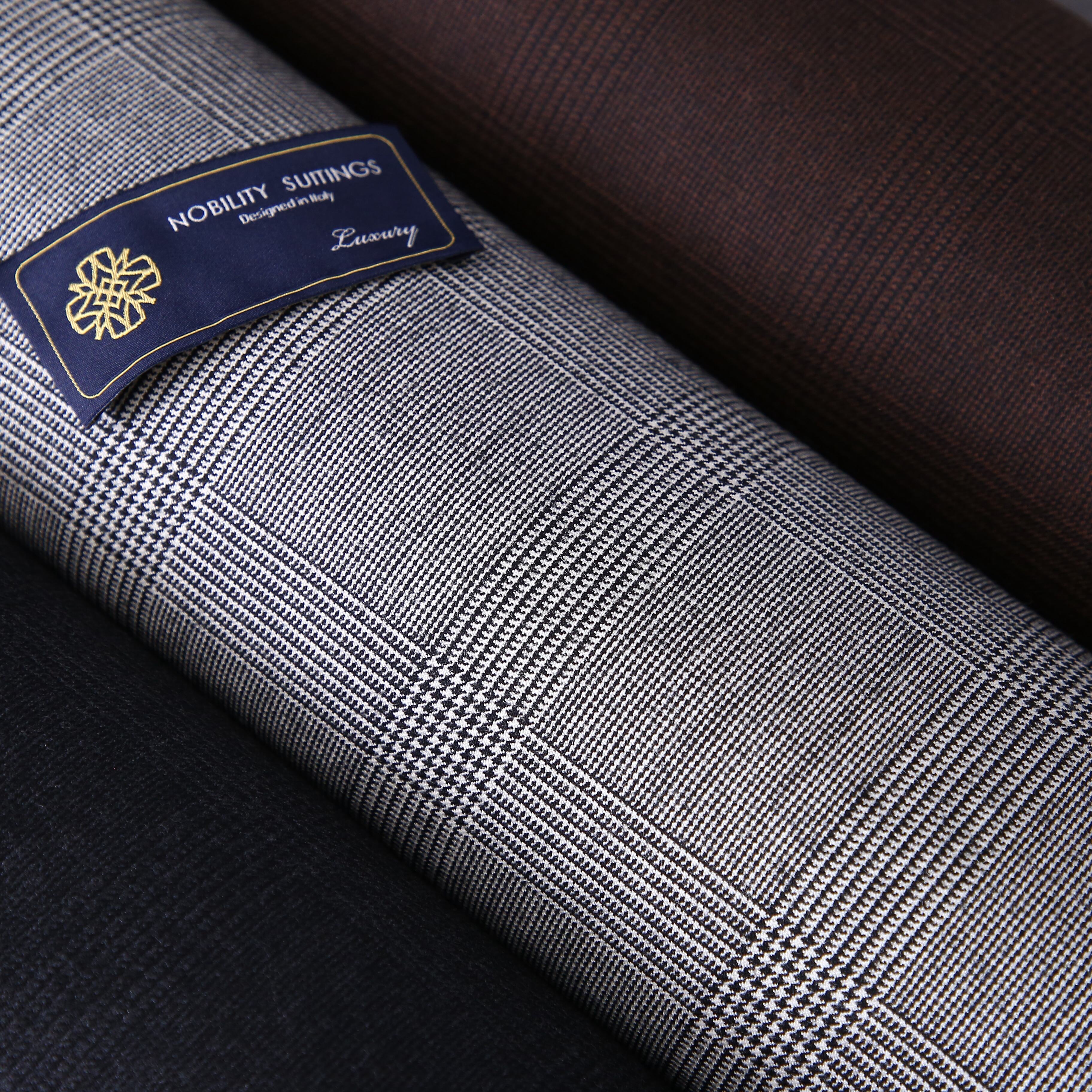
The B2B market for worsted wool fabric is experiencing significant transformation in 2024, driven by evolving consumer preferences, sustainability demands, and technological innovations. Understanding these market trends is crucial for manufacturers, retailers, and procurement professionals who need to make informed sourcing and inventory decisions. The worsted wool fabric sector is adapting to new quality standards, production methods, and market dynamics that are reshaping traditional business relationships.
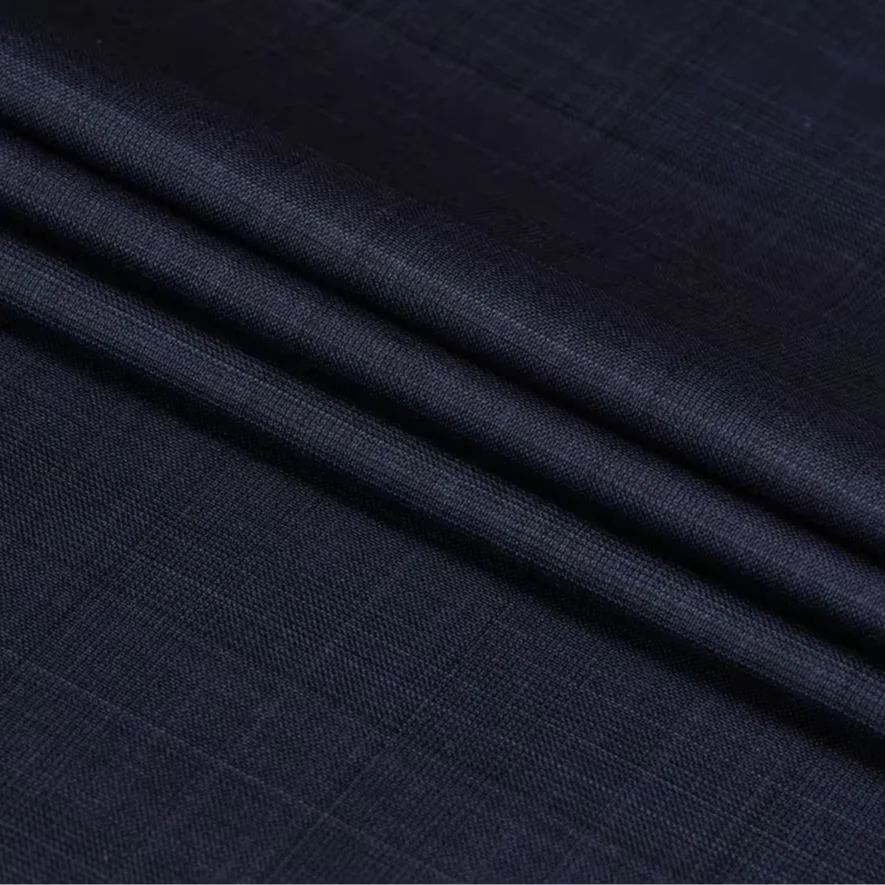
Current market analysis reveals that worsted wool fabric demand is shifting toward specialized applications, with B2B buyers increasingly prioritizing fabric performance characteristics over traditional cost considerations. This trend reflects broader industry changes where end-user expectations for durability, comfort, and environmental responsibility are influencing wholesale procurement strategies. The worsted wool fabric market is consolidating around suppliers who can demonstrate consistent quality, reliable delivery, and sustainable production practices.
Sustainability and Environmental Compliance Trends
Traceability Requirements in Worsted Wool Fabric Supply Chains
B2B buyers are increasingly demanding full traceability for worsted wool fabric sourcing, from sheep farm to finished textile. This trend is driven by corporate sustainability reporting requirements and consumer awareness of environmental impact. Manufacturers are implementing blockchain-based tracking systems to document the entire production journey of worsted wool fabric, including animal welfare standards, chemical treatments, and carbon footprint measurements. Supply chain transparency has become a competitive differentiator, with buyers willing to pay premium prices for verified sustainable worsted wool fabric.
The regulatory landscape is also pushing B2B procurement toward certified sustainable worsted wool fabric options. European markets particularly are requiring detailed environmental impact documentation, forcing suppliers to invest in cleaner production technologies and certified wool sources. This compliance trend is creating market opportunities for worsted wool fabric producers who can meet these stringent environmental standards while maintaining competitive pricing and quality consistency.
Circular Economy Integration
The circular economy model is gaining traction in worsted wool fabric markets, with B2B buyers seeking suppliers who offer take-back programs and recycling services. This trend involves establishing closed-loop systems where used garments can be processed back into new worsted wool fabric, reducing waste and resource consumption. Forward-thinking manufacturers are developing partnerships with fashion brands and garment producers to create integrated circular supply chains for worsted wool fabric applications.
Recycled content requirements are becoming standard in B2B worsted wool fabric specifications, with many corporate buyers mandating minimum percentages of post-consumer recycled fibers. This trend is driving innovation in mechanical and chemical recycling technologies specifically adapted for worsted wool fabric processing. The market is rewarding suppliers who can demonstrate measurable environmental impact reduction through circular economy practices.
Technology Integration and Digital Transformation
Smart Manufacturing in Worsted Wool Fabric Production
Digital transformation is revolutionizing worsted wool fabric manufacturing, with Industry 4.0 technologies enabling more precise control over fabric quality and consistency. B2B buyers are increasingly sourcing from manufacturers who utilize IoT sensors, AI-driven quality control, and automated production systems to ensure consistent worsted wool fabric specifications. These technological advances allow for real-time monitoring of fabric properties, reducing defect rates and improving overall supply chain reliability.
Predictive analytics are becoming essential tools for worsted wool fabric inventory management and demand forecasting. B2B buyers are partnering with suppliers who can provide data-driven insights into market trends, seasonal demand patterns, and quality metrics. This technological capability enables more efficient procurement planning and reduces inventory holding costs for worsted wool fabric buyers.
Digital Sampling and Virtual Product Development
The B2B worsted wool fabric market is embracing digital sampling technologies that reduce the need for physical samples during product development cycles. Virtual fabric visualization tools allow buyers to evaluate worsted wool fabric options remotely, accelerating decision-making processes and reducing shipping costs. This trend has become particularly important for international B2B transactions where physical sampling was traditionally time-consuming and expensive.
Digital color matching and texture simulation are enabling more accurate worsted wool fabric specification communication between suppliers and buyers. These technologies reduce color variation issues and improve first-time approval rates, leading to more efficient B2B procurement processes. The integration of digital tools is becoming a key selection criterion for worsted wool fabric suppliers serving technology-forward customers.
Quality Standards and Performance Innovation
Enhanced Durability Requirements
B2B buyers are increasingly specifying enhanced durability standards for worsted wool fabric applications, driven by end-user demands for longer-lasting products. This trend is pushing manufacturers to develop worsted wool fabric blends and treatments that improve abrasion resistance, color fastness, and shape retention. The market is moving toward performance-oriented specifications that go beyond traditional appearance-based quality metrics.
Testing protocols for worsted wool fabric are becoming more comprehensive, with buyers requiring extensive performance data covering washing durability, pilling resistance, and dimensional stability. Independent third-party testing certification is becoming standard practice in B2B worsted wool fabric transactions, providing buyers with confidence in product performance claims. This quality focus is creating market differentiation opportunities for suppliers who invest in advanced testing capabilities.
Functional Performance Integration
The integration of functional performance features into worsted wool fabric is a growing B2B market trend, with buyers seeking fabrics that combine traditional wool benefits with enhanced capabilities. Moisture management, antimicrobial treatments, and temperature regulation properties are being incorporated into worsted wool fabric specifications for specialized applications. These functional enhancements are commanding premium prices and creating new market segments for innovative suppliers.
Stain resistance and easy-care properties are becoming standard requirements for many B2B worsted wool fabric applications, particularly in corporate and hospitality markets. Manufacturers are developing chemical treatments and fiber modifications that maintain the natural characteristics of worsted wool fabric while improving practical performance. This trend toward multifunctional fabrics is reshaping product development priorities across the industry.
Market Consolidation and Supply Chain Optimization
Strategic Supplier Partnerships
B2B buyers are consolidating their worsted wool fabric supplier base to establish deeper strategic partnerships with fewer, more capable suppliers. This trend reflects the desire for more reliable supply chains, consistent quality standards, and collaborative product development relationships. Long-term contracts with preferred worsted wool fabric suppliers are becoming more common, providing stability for both buyers and manufacturers.
Value-added services are becoming key differentiators in B2B worsted wool fabric supplier selection, with buyers seeking partners who can provide inventory management, just-in-time delivery, and technical support services. The most successful suppliers are those who can demonstrate capabilities beyond basic fabric production, offering comprehensive solutions that address buyers' operational challenges.
Regional Supply Chain Resilience
The B2B worsted wool fabric market is experiencing a trend toward regional supply chain development as buyers seek to reduce transportation costs and supply chain risks. This regionalization is driving investment in local worsted wool fabric production capabilities and creating opportunities for suppliers who can serve specific geographic markets efficiently. The emphasis on supply chain resilience has made proximity and reliability more important factors than pure cost optimization.
Risk diversification strategies are influencing B2B worsted wool fabric sourcing decisions, with buyers establishing multiple supplier relationships within different geographic regions. This approach helps mitigate supply disruptions while maintaining quality standards across all sourcing locations. The trend toward supply chain resilience is creating opportunities for mid-sized worsted wool fabric manufacturers who can offer reliable local production capabilities.
Pricing Dynamics and Market Structure
Value-Based Pricing Models
The B2B worsted wool fabric market is shifting away from purely cost-based pricing toward value-based models that consider total cost of ownership, performance benefits, and sustainability credentials. Buyers are increasingly willing to pay premium prices for worsted wool fabric that demonstrates superior performance, environmental benefits, or supply chain reliability. This pricing evolution is rewarding suppliers who invest in quality improvements and innovation.
Long-term pricing agreements are becoming more common in B2B worsted wool fabric transactions, with buyers seeking predictable costs for strategic planning purposes. These agreements often include quality guarantees, delivery commitments, and performance standards that provide value beyond simple price stability. The trend toward partnership-based relationships is changing traditional transactional pricing approaches.
Market Segmentation and Specialization
The B2B worsted wool fabric market is becoming increasingly segmented, with suppliers specializing in specific applications or performance characteristics rather than competing on general-purpose fabrics. This specialization allows manufacturers to command higher margins while serving targeted customer segments more effectively. Technical expertise and application-specific knowledge are becoming more valuable than broad product portfolios.
Customization capabilities are driving market differentiation in the worsted wool fabric sector, with buyers seeking suppliers who can provide tailored solutions for specific applications. This trend toward customization is creating opportunities for manufacturers who invest in flexible production systems and technical development capabilities. The most successful suppliers are those who can balance customization with efficient production processes.
FAQ
What sustainability trends are most important in the B2B worsted wool fabric market?
The most significant sustainability trends include mandatory supply chain traceability, circular economy integration with take-back programs, and requirements for certified recycled content. B2B buyers are increasingly demanding environmental impact documentation and choosing suppliers who can demonstrate measurable sustainability improvements in their worsted wool fabric production processes.
How is technology changing B2B worsted wool fabric procurement?
Digital transformation is enabling smart manufacturing with IoT sensors and AI-driven quality control, digital sampling that reduces physical sample requirements, and predictive analytics for better inventory management. These technologies are improving quality consistency, reducing procurement cycle times, and enabling more data-driven decision making in worsted wool fabric sourcing.
What quality standards are B2B buyers prioritizing for worsted wool fabric?
Enhanced durability requirements including improved abrasion resistance and color fastness are becoming standard, along with functional performance features like moisture management and stain resistance. Comprehensive third-party testing certification and performance data documentation are increasingly required for B2B worsted wool fabric transactions.
How are supply chain strategies evolving in the worsted wool fabric market?
B2B buyers are consolidating supplier bases to establish strategic partnerships while developing regional supply chains for greater resilience. Long-term contracts with preferred suppliers are becoming more common, and buyers are prioritizing value-added services and technical support capabilities over purely cost-based selection criteria for worsted wool fabric sourcing.
Table of Contents
- Sustainability and Environmental Compliance Trends
- Technology Integration and Digital Transformation
- Quality Standards and Performance Innovation
- Market Consolidation and Supply Chain Optimization
- Pricing Dynamics and Market Structure
-
FAQ
- What sustainability trends are most important in the B2B worsted wool fabric market?
- How is technology changing B2B worsted wool fabric procurement?
- What quality standards are B2B buyers prioritizing for worsted wool fabric?
- How are supply chain strategies evolving in the worsted wool fabric market?