
 EN
EN
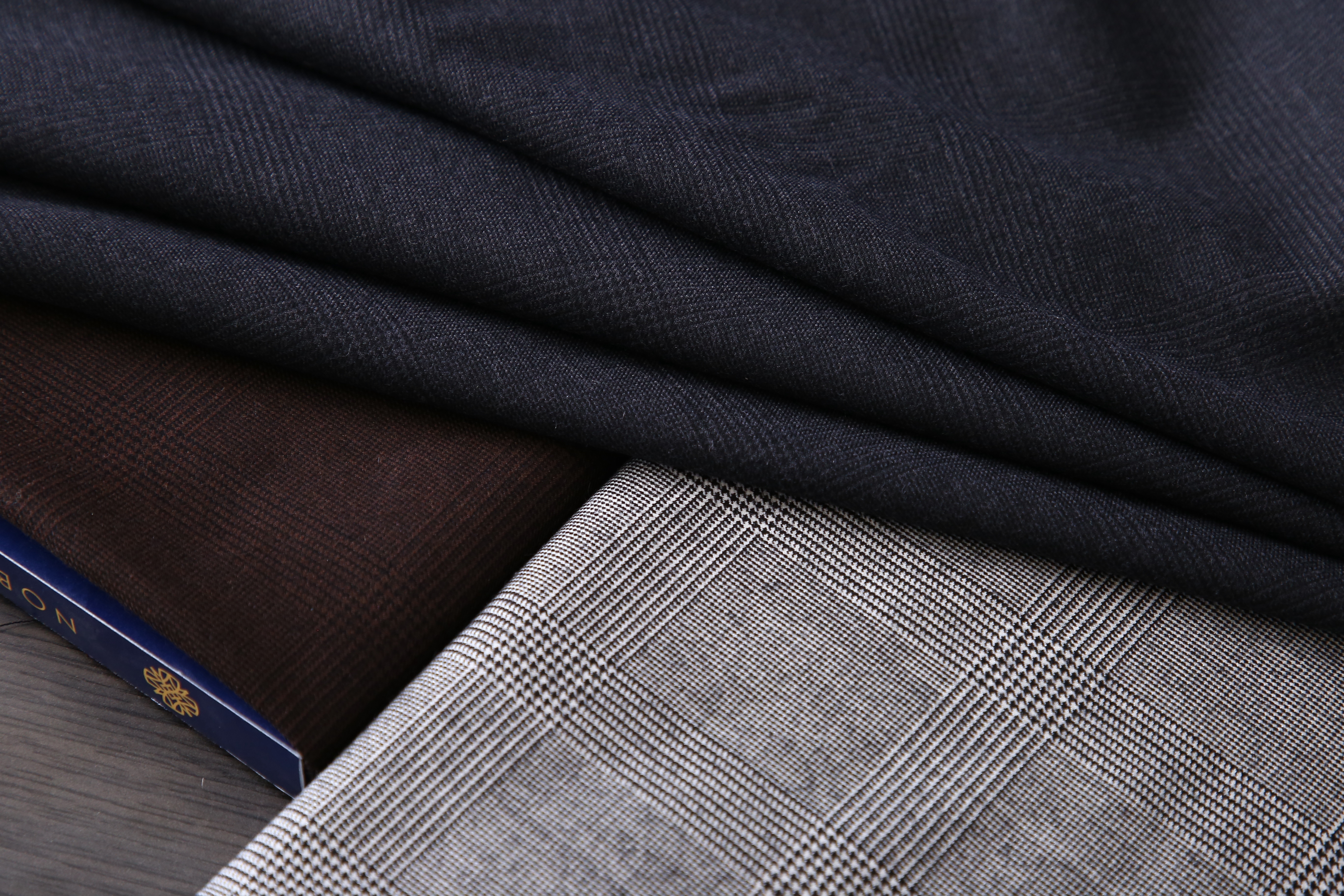
The textile industry has witnessed a remarkable evolution in fabric technology, particularly in the realm of professional workwear and uniforms. Among the various materials available, wool blend fabrics have emerged as the gold standard for organizations seeking the perfect balance of durability, comfort, and professional appearance. These innovative textiles combine the natural benefits of wool with synthetic fibers to create garments that excel in demanding work environments while maintaining an polished aesthetic that reflects organizational standards.
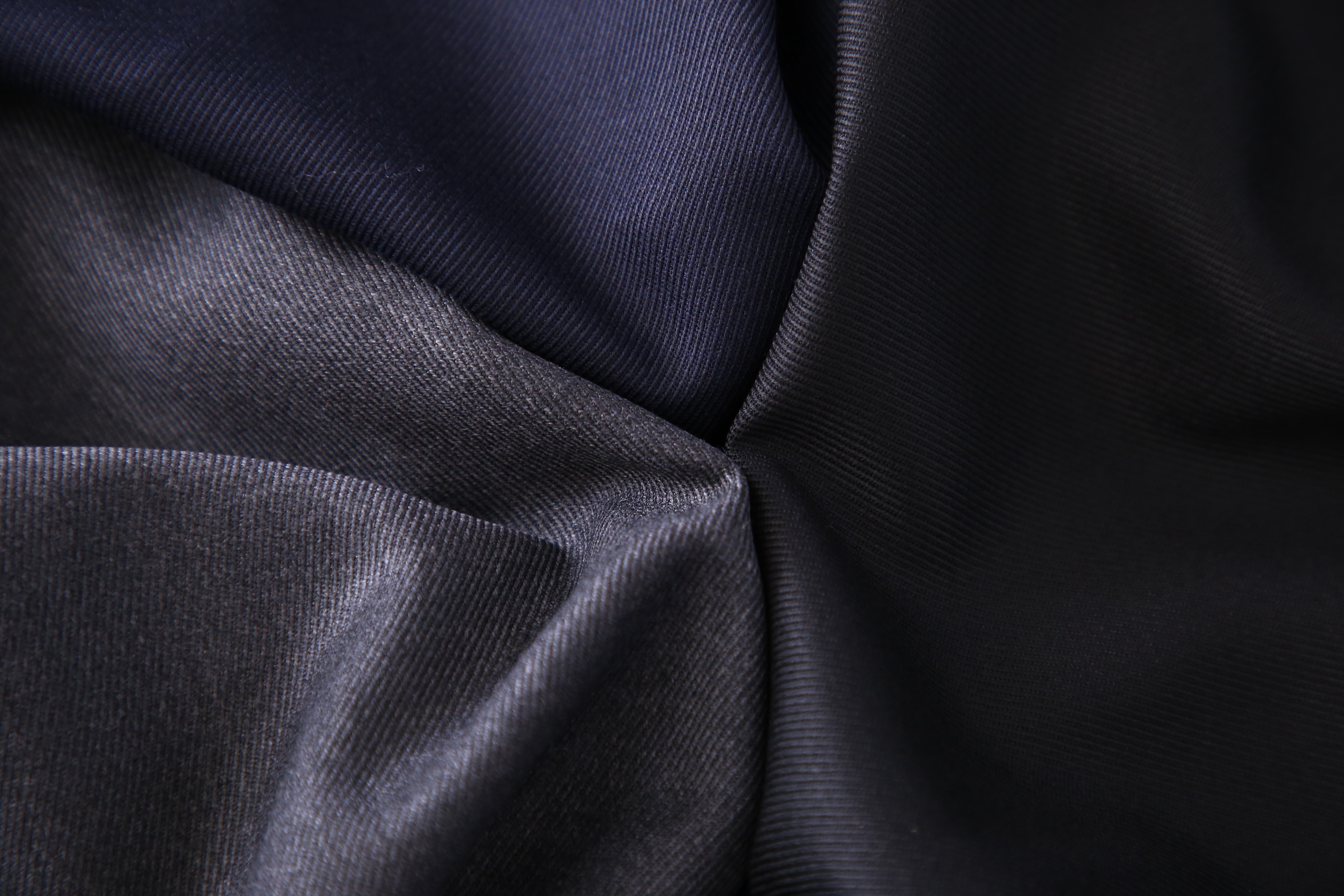
Modern workforce requirements have driven manufacturers to develop sophisticated blending techniques that maximize the advantages of each component fiber. The result is a new generation of textiles that addresses the practical challenges faced by professionals across industries, from healthcare and hospitality to corporate and industrial sectors. Understanding why these materials have become indispensable for uniform production requires examining their unique properties and performance characteristics.
Superior Durability and Longevity
Enhanced Fabric Strength Through Fiber Integration
The strategic combination of wool with synthetic fibers creates a textile structure that significantly outperforms single-fiber alternatives in terms of durability. Wool naturally provides excellent elasticity and resilience, while synthetic components like polyester contribute tensile strength and resistance to stretching. This synergistic relationship results in garments that maintain their shape and appearance even after extensive wear and frequent laundering cycles.
Professional uniforms must withstand daily wear patterns that include frequent movement, sitting, standing, and various physical activities. The inherent strength of blended materials ensures that seams remain intact and fabric surfaces resist pilling and abrasion. This durability translates directly to cost savings for organizations, as uniform replacement frequency decreases substantially compared to garments made from less robust materials.
Resistance to Environmental Factors
Workplace environments often expose clothing to challenging conditions including temperature variations, humidity, and chemical exposure. Wool blend compositions demonstrate remarkable stability under these conditions, maintaining their structural integrity while protecting the wearer. The natural water-repelling properties of wool, combined with the quick-drying characteristics of synthetic fibers, create garments that perform consistently across diverse working conditions.
Additionally, these materials exhibit excellent color retention properties, ensuring that uniforms maintain their professional appearance throughout their service life. The fiber blend structure prevents fading and discoloration that commonly affects other fabric types, particularly important for organizations where brand consistency and professional image are paramount considerations.
Exceptional Comfort and Wearability
Temperature Regulation and Moisture Management
One of the most significant advantages of wool blend fabrics lies in their superior comfort characteristics, particularly regarding temperature regulation and moisture management. Wool fibers naturally create microscopic air pockets that provide insulation while allowing air circulation, helping maintain optimal body temperature regardless of external conditions. The addition of synthetic components enhances these properties by improving moisture wicking capabilities.
Employees working in temperature-controlled environments benefit from fabrics that adapt to changing conditions throughout the workday. Whether transitioning from air-conditioned offices to outdoor environments or dealing with the physical demands of active work, these textiles help regulate body temperature and prevent overheating or excessive cooling that can impact comfort and productivity.
Flexibility and Movement Enhancement
Modern workplace demands require uniforms that facilitate unrestricted movement while maintaining a professional appearance. The elastic properties inherent in wool blend fabrics provide excellent stretch recovery, allowing garments to move with the wearer without becoming baggy or misshapen. This characteristic is particularly valuable for professionals in healthcare, hospitality, and service industries where physical activity is constant.
The combination of natural and synthetic fibers creates a fabric structure that responds to body movement while returning to its original form. This memory effect ensures that uniforms maintain their tailored appearance throughout the workday, contributing to a consistently professional image that reflects organizational standards and attention to detail.
Professional Appearance and Aesthetic Appeal
Wrinkle Resistance and Shape Retention
The professional appearance of uniforms significantly impacts organizational image and employee confidence. Wool blends offer exceptional wrinkle resistance due to the resilient nature of wool fibers combined with the stability provided by synthetic components. This characteristic reduces maintenance requirements while ensuring that employees present a polished appearance throughout their shifts.
Shape retention is another critical factor in maintaining professional standards. These fabrics resist the stretching and sagging that commonly affects other materials, particularly around high-stress areas such as knees, elbows, and seating areas. The result is uniforms that maintain their tailored fit and appearance from the beginning to the end of each workday, contributing to overall organizational professionalism.
Versatile Styling and Design Options
Manufacturing flexibility is essential for organizations requiring uniforms that reflect their brand identity while meeting functional requirements. Wool blend materials accept dyes exceptionally well, allowing for precise color matching and vibrant, long-lasting colors that resist fading. This characteristic enables custom color schemes that align with corporate branding while maintaining color consistency across different garment pieces.
The fabric structure also accommodates various finishing treatments and surface textures, from smooth professional finishes to more textured appearances suitable for specific industry requirements. This versatility allows uniform designers to create distinctive looks while maintaining the functional benefits that make these materials ideal for workwear applications.
Cost-Effectiveness and Value Proposition
Long-Term Investment Benefits
While the initial cost of wool blend uniforms may exceed that of basic synthetic alternatives, the long-term value proposition is compelling for organizations focused on total cost of ownership. The enhanced durability and appearance retention of these materials significantly extend garment life, reducing replacement frequency and associated costs including procurement, sizing, and distribution.
Maintenance costs also decrease due to the wrinkle-resistant and soil-resistant properties of quality wool blends. Reduced dry cleaning requirements and simplified care procedures contribute to ongoing cost savings while reducing the environmental impact associated with frequent garment replacement and intensive cleaning processes.
Employee Satisfaction and Productivity Impact
Employee comfort and confidence directly correlate with productivity and job satisfaction. Uniforms made from high-quality wool blend materials contribute to positive employee experiences through improved comfort, professional appearance, and reduced concerns about garment performance. This psychological benefit translates to tangible organizational value through improved employee retention and enhanced customer interactions.
Organizations investing in superior uniform materials often experience reduced complaints about uniform comfort and appearance while noting increased employee pride in their professional appearance. These intangible benefits contribute to overall workplace culture and can influence recruitment and retention efforts in competitive employment markets.
Industry-Specific Applications and Benefits
Healthcare and Medical Environments
Healthcare facilities require uniforms that meet stringent hygiene standards while providing comfort during long shifts and physically demanding activities. Wool blend fabrics offer antimicrobial properties naturally present in wool fibers, helping reduce bacterial growth and odor development throughout extended wear periods. The moisture-wicking capabilities also help maintain comfort during high-stress situations.
The professional appearance of these materials is particularly important in healthcare settings where patient confidence and institutional reputation are directly influenced by staff presentation. The combination of functionality and aesthetics makes wool blends ideal for medical uniforms that must perform under pressure while projecting competence and care.
Corporate and Office Environments
Corporate uniforms serve dual purposes of creating brand consistency and ensuring professional appearance standards. Wool blend fabrics excel in these applications due to their ability to maintain a polished appearance throughout the workday while providing comfort during varied activities from desk work to client presentations. The natural drape and tailored appearance of these materials enhance the professional image.
Temperature regulation becomes particularly important in office environments where employees transition between different climate zones throughout the day. The adaptive properties of wool blends ensure consistent comfort whether in air-conditioned conference rooms or outdoor areas, contributing to overall employee satisfaction and professional presentation.
FAQ
How do wool blend fabrics compare to pure wool in terms of maintenance requirements
Wool blend fabrics typically require less maintenance than pure wool garments due to the synthetic fiber components that enhance wrinkle resistance and dimensional stability. While pure wool often requires dry cleaning and careful handling, quality wool blends can often be machine washed using appropriate settings, reducing ongoing care costs and complexity for uniform programs.
What percentage of wool provides optimal performance in uniform applications
The ideal wool percentage varies depending on specific application requirements, but blends containing 40-60% wool typically provide the best balance of natural fiber benefits and synthetic performance enhancement. This range maintains the comfort and appearance advantages of wool while maximizing durability and ease of care through synthetic fiber integration.
Are wool blend uniforms suitable for employees with wool sensitivity
Modern wool blend fabrics often use specially processed wool fibers that reduce potential skin irritation, and the synthetic fiber content creates a barrier that minimizes direct wool contact with skin. However, organizations should consider alternative materials for employees with documented wool allergies while exploring hypoallergenic wool processing options for sensitive individuals.
How do wool blend fabrics perform in extreme temperature environments
Wool blend fabrics demonstrate excellent performance across wide temperature ranges due to wool's natural insulating properties combined with synthetic fibers that enhance moisture management. The materials adapt to both warm and cool conditions, making them suitable for workplaces with variable temperature conditions or seasonal climate changes while maintaining consistent comfort levels.